5 Habits for 2026 you can start small now

Here’s the thing: habits do not form overnight; it is years of commitment and discipline. Some say it only takes 21 days for a habit to build, but I beg to differ.

Try it. Get a habit as simple as reading a page of a book per day for 21 days. Then, get distracted, for example, by going to the beach for a week. Prolly for some people they can keep doing what they’ve been doing for 21 days and successfully destroy a bad habit through a good one. But not me, and I bet you are too.

I had been doing Duolingo for 2 minutes every day for 90 days in 2023, and I stopped because of a month of traveling that brought me back to day 1 of Duolingo. Fast forward to now, and I am in my second year of doing 2 minutes of Duolingo every day (but I still struggle to converse straight in Spanish. LOL.).
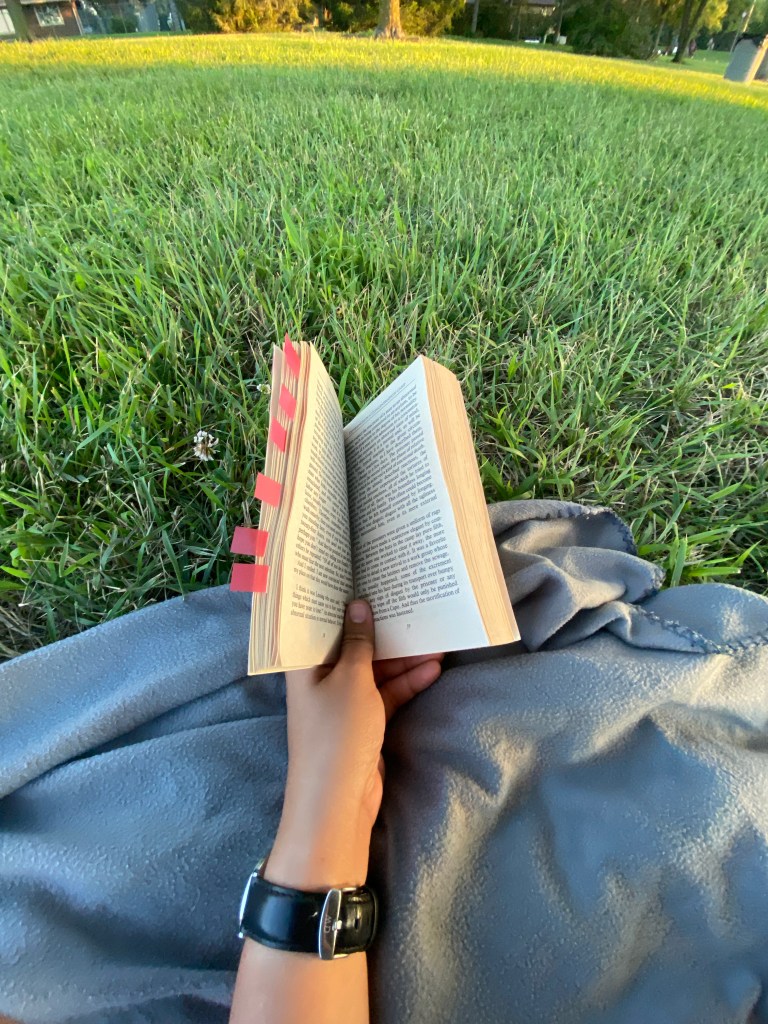
What I can say is that, to some people, habits are built for more than 21 days, probably to some, less than that. But, if you are like me, who needs more time to get a new habit in your system, try starting now before we count down to 2026. Here are five simple habits that you can start small now and might be beneficial for you:

1. Reading a page of a book per day. This can enhance your vocabulary. Imagine if the book has 210 pages, it 7 days, you will finish a book instead of nothing in a year.

2. Walk outside for 10 minutes every day. You do not need to compete with your friend’s Strava, you only need to move your body a little each day, and your body will thank you. In a week, your walk totals to an hour!

3. Sleep and wake up at the same time of day. If you’re sleeping at 11pm and waking up at 8am, that is fine as long as you are consistent. You keep your 8-9 hours of sleep for a week!

4. Do not grab your phone 10 minutes after waking up. Use a traditional alarm clock to wake you up, then, brush your teeth, stretch, or whatever as long as it doesn’t involve touching your phone for 10 minutes. In a week, it is 70 minutes less of screen time!

5. Meditate for a minute. Focus on your breathing for a complete minute. Do not touch your phone and avoid any form of distractions during those 60 seconds. You just gained 7 minutes of focus in that week and about half an hour in a month!

Why It’s Okay to Not Always Win

Life is a series of ups and downs, victories and setbacks. In a society that often celebrates success, it’s easy to feel ashamed when you find yourself labeled as a “loser.” But what if I told you that it’s not only okay to feel this way at times, but it’s also a vital part of growth? Here’s why embracing those moments can be transformative.

1. Redefining Success

The first step in accepting your “loser” moments is to redefine what success means to you. Society often equates success with wealth, status, and constant achievement. However, success is subjective. It can mean personal growth, learning from failure, or simply having the courage to try something new. Acknowledging that it’s okay to struggle can free you from the relentless pressure to perform.

2. Learning Through Failure

Every setback is a lesson in disguise. When you fail, you’re presented with an opportunity to learn more about yourself, your strengths, and your weaknesses. Thomas Edison famously said, “I have not failed. I’ve just found 10,000 ways that won’t work.” Each “failure” can guide you toward eventual success by highlighting areas for improvement and prompting reflection.

3. Building Resilience

Experiencing loss or failure teaches resilience. Life isn’t always about winning; it’s about how you respond to challenges. Embracing your moments of defeat helps you build mental fortitude, preparing you for future obstacles. Resilience is like a muscle; the more you use it, the stronger it becomes.

4. Creating Authentic Connections

When you’re open about your struggles, you allow others to do the same. Sharing your “loser” moments can foster deep, authentic connections with those around you. Vulnerability breeds empathy, and you may find that many people have faced similar challenges. This sense of community can provide support and remind you that you’re not alone.

5. Redirection and Reinvention

Sometimes, being a “loser” can lead you to paths you never considered. When you face setbacks, it can be an opportunity to reassess your goals and passions. Perhaps what you initially aimed for wasn’t truly aligned with who you are. These moments can serve as a catalyst for reinvention, leading you to discover new passions and directions in life.

6. Challenging Societal Norms

Finally, it’s essential to challenge the stigma around failure and the label of being a “loser.” By embracing your experiences and sharing them with others, you contribute to a culture that values authenticity over perfection. Every successful person has faced setbacks; the difference is often in how they respond to them.

In a world that often values success over struggle, it’s crucial to remember that it’s perfectly okay to be a “loser” at some point in your life. These moments are not the end of the road; they’re stepping stones toward growth, learning, and ultimately, a deeper understanding of yourself. Embrace your journey, imperfections and all, and remember: every setback is just a setup for a comeback.

December 4: small progress (is still progress)

Are you getting frustrated because you feel like you don’t have enough time and your progress is very little.

I tell you. Slow or small progress is way better than nothing. So keep doing what you are doing to create the change you wanted in yourself.

Today may just be 1% change but the accumulation of it in days would be significant instead of just scrolling mindlessly on your socials and not even creating 0.1% progress.

But, you have to be strict to yourself. Today maybe 1% but make an effort to increase this tomorrow.