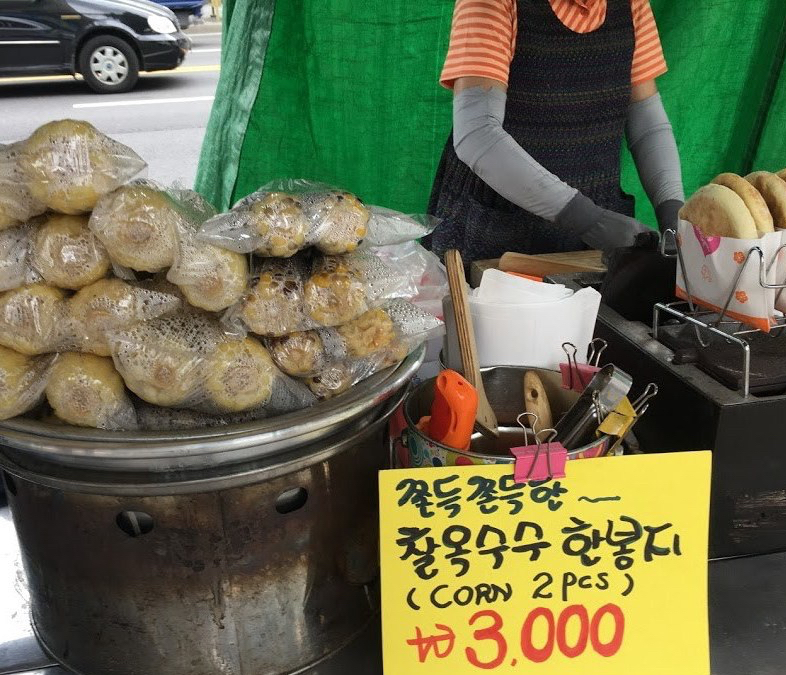
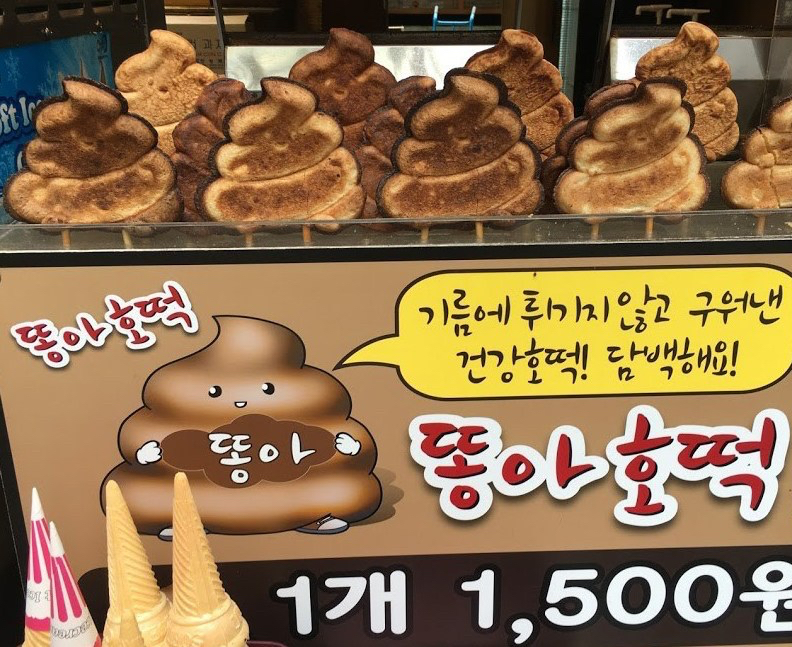
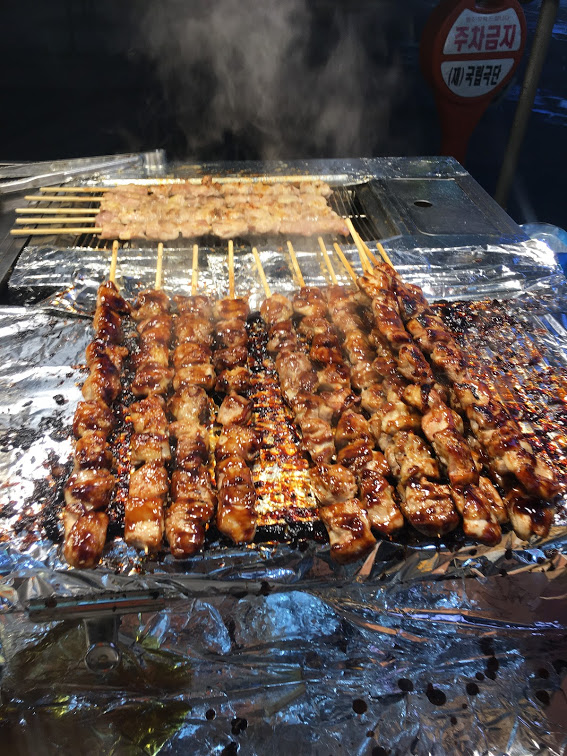
5 New Year’s Resolutions from 2019

As we welcome 2020 and try to list some new year’s resolution, have you examined your previous list? Did you do great with you last year’s promises? Here are some of my last year’s new year’s resolution that I have done successfully:

1. Waking up early

It gives you more time to do other important task for the day. And aside from that you can avoid getting late to work or being stuck in the traffic.

2. Cooking and eating healthy foods

My packed lunch usually contained a cup of rice, 1 1/2 serving of vegetables with less to no oil and salt, meat or egg and a fruit. I am not a nutritionist or whatsoever but this habit prevented me from getting sick and allowed me to save more.

3. Sleeping on time

Since I started waking up early, I need to give my body time to heal and recharge from all the work and stress I got the whole day. I usually sleep between 10-11pm and wake up at 5-6 in the morning. (Excluding days that I went home super late because of work or party. LOL).

4. Working out

This is not the intense work out you are thinking. I just religiously jogged for an hour  once or twice a week in an oval near our place. I noticed how I maintained my weight and also I felt that my body got a little stronger compared before.

5. Spending less time scrolling through social media

I deactivated my facebook and twitter account and I don’t feel like I am missing out from the world. It just gave me more time to allocate to other important matters at hand.


Although there were days I was failing myself last with all my promises, I think I made improvements from the last 12 months of my life. I am a very undisciplined person but still I did it…little by little…day after day…so whoever you are thinking that you can’t, think again.

4 Healthy and Cheaper Alternative to Rice

Rice is a staple in most Asian countries. Don’t get me wrong, I love rice paired with my favorite adobo and sinigang. However, rice (white rice in particular) may not be appropriate in everyone’s diet especially to those diagnosed with diabetes.

For people thinking of quitting rice or want variety in their diet, here are 4 options to substitute to rice as source of carbohydrates. They are not just healthy, they are also relatively cheaper than rice and readily available not only in supermarkets but also in public markets.

1. Corn

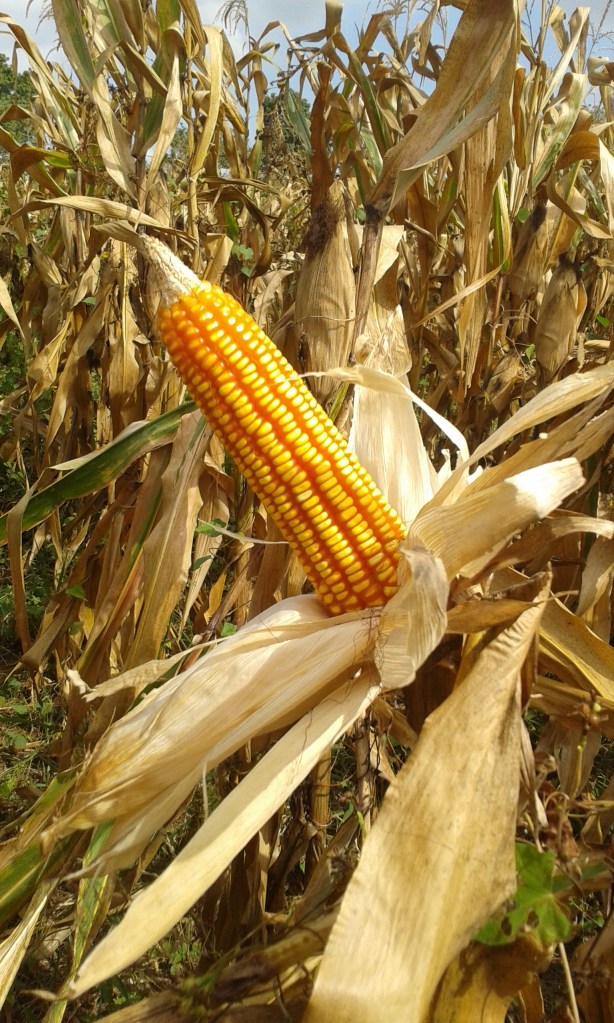
Zea mays L. or we simply know as corn or maize belongs to Poaceae family. Yes. They belong to true grasses family. It takes 3-5 months before harvest. They are sold in the market as seeds, green corn (before physiological maturity, those corn ears sold as boiled in the market), grated (often used in soups) and grits (can be cooked and consumed like rice).

20160330_091418

A cup of boiled rice has around 200 calories while a cup of boiled corn has around 170 calories. Although rice has higher calorie content, boiled corn is of great advantage in terms of protein, fat, vitamins A, beta-carotene, E, K, C, B1, B2, B3, B4, B5, B6 and B9. There is also higher mineral content in corn primarily Magnesium, Phosphorus and Potassium. Corn grits are long known staple in some parts of Visayas and Mindanao regions (no wonder why most Filipino boxers come from these areas).

Price: PhP 25-30/2pcs for boiled white corn; PhP 20-30/pc for boiled sweet corn; PhP 20-30 per ~250g; PhP 37-40/kg for corn grits;

2. Cassava

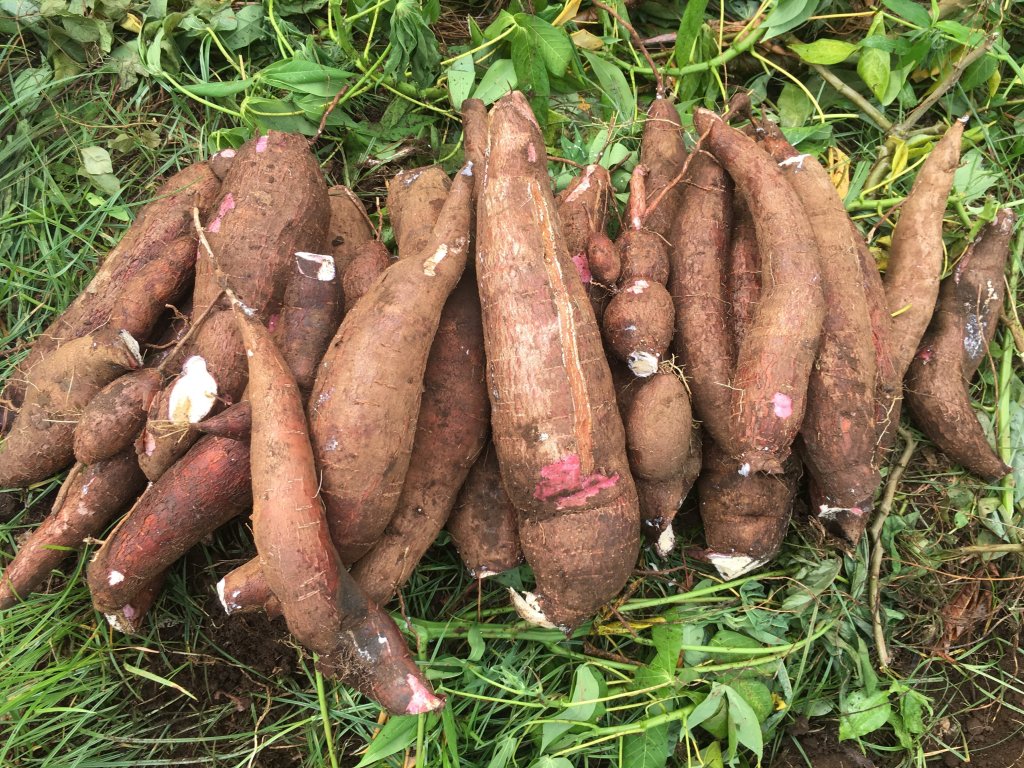
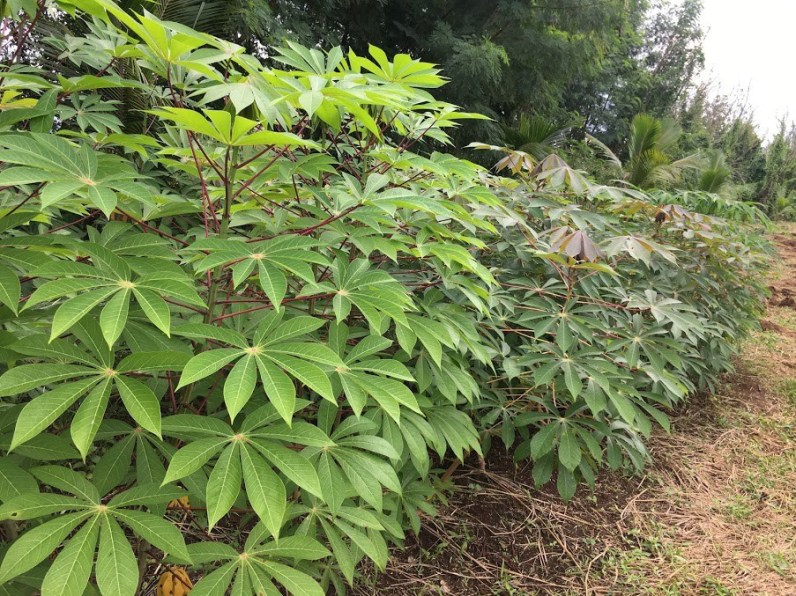
Cassava or Manihot esculenta Crantz can thrive to adverse conditions like drought and acidic soils. Harvesting can be done 7 to 10 months after planting. Fresh roots are not usually stored for too long as they can easily form bluish streak, they are usually sold per kilogram in the market.

IMG_1294

Cassava roots have a wide range of use such as food, feed and other industrial purposes. Boiled cassava root weighing 100 grams contains 112 calories coming mainly from carbs and small amount of protein and fat. Cassava also provides fiber and few vitamins and minerals. The root of cassava is gluten-free and is good for those people suffering from coeliac disease (gluten intolerance). Do not get alarmed by news of intoxication from cassava because hydrocyanic acid (toxic component of cassava) is highly volatile and can be removed easily through proper processing. There are also varieties with very low hydrocyanic acid available in the market. Make sure to look for Lakan and Rajah varieties.

Price: PhP 12-15/kg fresh root

3. Sweet potato

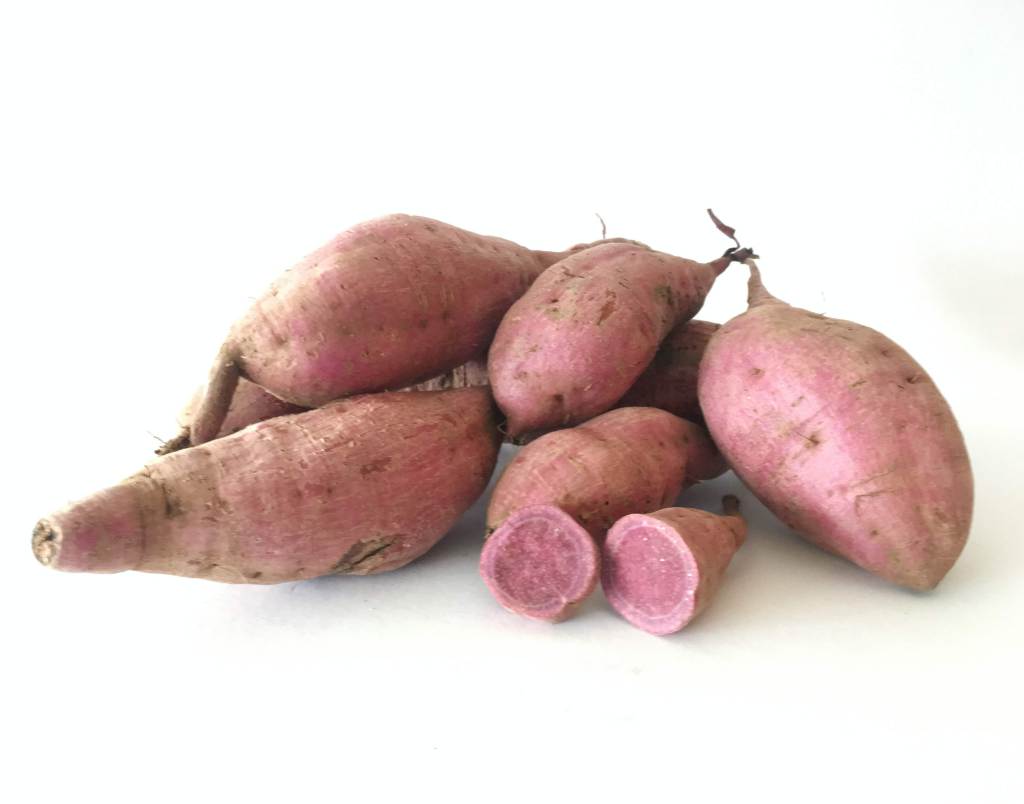
White potato (Solanum tuberosum L.) and sweet potato (Ipomoea batatas L.) are from two different family, Solanaceae and Convolvulaceae, respectively. Starch of potatoes is stored in stems while in sweet potato it is formed in the root. The modified roots  are the commonly consumed plant part of sweet potatoes while others eat the leaves and stalks as vegetables. The roots are usually ready for harvest 3-4 months after planting.

IMG_7437

The root flesh can be orange, white, pink, violet or purple in color. It is rich in fiber, antioxidant and other nutrients. They can be eaten boiled, baked, steamed, or fried. Sweet potatoes have medium to high glycemic index which is unsuitable for diabetic people. A medium-sized sweet potato contains 27grams of carbs. It is a poor source of protein but an excellent food in terms of beta carotene, vitamin C and potassium.

Price: PhP 40/kg fresh roots

4. Saba banana

Banana is a general term for a number of species or hybrids under the genus Musa under the family Musaceae. Saba banana is a triploid hybreed of the seeded bananas Musa balbisiana and Musa acuminata. It is mainly utilized in cooking in the Philippines and other South Asian nations.

IMG_3034

Bananas are high in fiber but low in calorie. Consuming high amounts of fiber is linked to reduced risk of heart disease and some cancers. Saba banana has roughly 120 calories per fruit. They are composed of starchy carbohydrates and contain no fat or cholesterol. They also contain a rich blend of nutrients and vitamins such as B vitamins, vitamin C, vitamin A and iron.

Price: PhP 1-2/fruit

*price is based on the price in out market and can vary depending on location


9 Beautiful Provinces In The Philippines I Was Able To Visit For FREE Being An Agriculturist

Admit it. Traveling is costly. From plane fares, land travel expenses, boat rentals to entrance and environmental fees. Name it. Free lunch does not really exist when you travel. Been there done that. Fortunately, I found a job (as an AGRICULTURIST) that allowed me to go to 9 beautiful provinces in the Philippines for FREE. Here are those places:

1. Isabela

The province is the largest in Luzon and one of the top producing regions of corn in the Philippines . It is 7-10 hours away from the metro. Land trip could be tiring but you can opt to ride a plane.

IMG20170308081852

Would you believe that I was striking a pose on this hilly land planted with corn? Yep! At the back are corn plants nearing maturity.

What to expect: Large land areas planted with corn. Farmers usually plant hybrid corn, and they are sooo pretty they look like Bermuda grass from afar. Pansit dishes are a must try food here – do not forget to have a taste of pansit Cabagan and batil patung.

2. Benguet

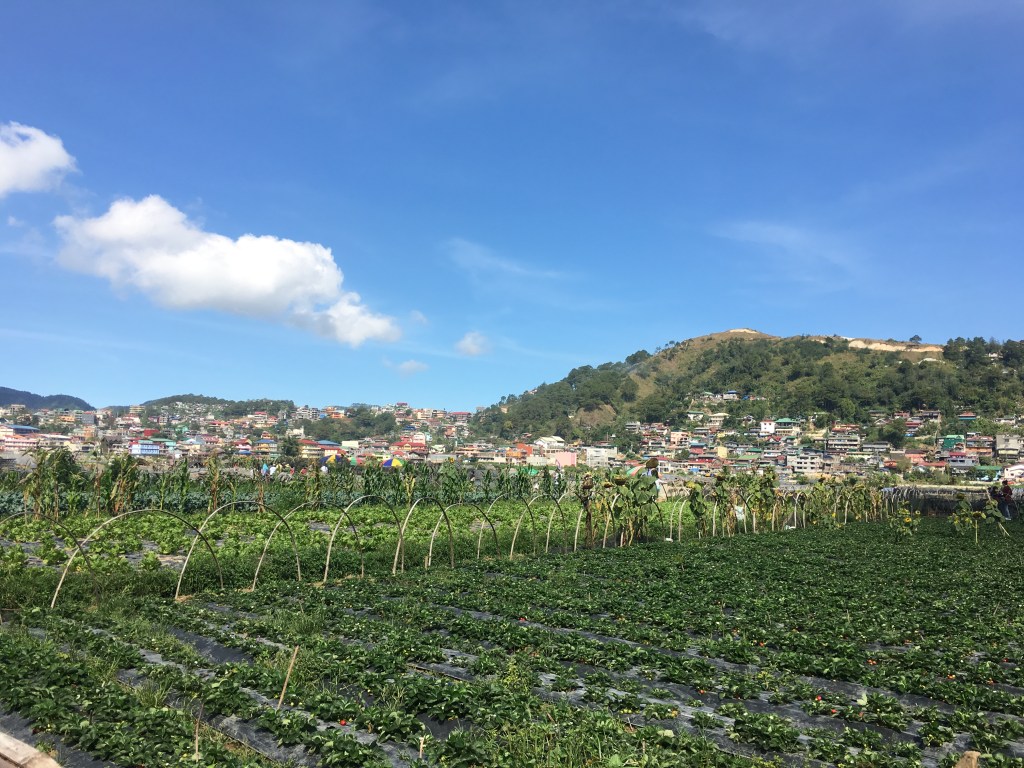
A landlocked province of the Philippines at the southern tip of the Cordillera Administrative Region. Its huge production of vegetables makes it known as the Salad Bowl of the Philippines. I super duper love the cold weather here!

IMG_2129

Who loves strawberry? I know you’ve tried strawberry picking and strawberry taho but have you tried extracting strawberry DNA using household materials? I did and it was dope!

What to expect: This place is a haven for frugal vegetarians. Due to its favourable weather condition for vegetables, there is abundant supply and therefore the price is relatively cheaper than in any supermarkets in Manila. Try to locate the public market in front of Benguet State University and you can get even more discounted veggies.

3. Albay

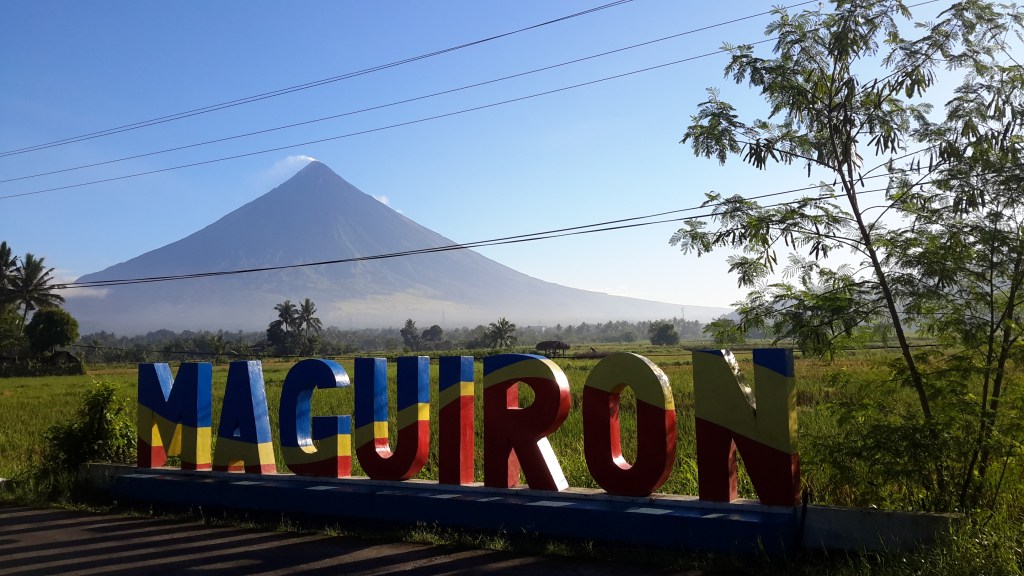
You probably had seen this view in one of your textbooks but seeing Mayon volcano live will leave you in awe. Albay is a province composed of 15 towns and 3 cities. It is located in south-eastern part of Luzon. This place is worth a visit! *wink*

20161022_070954

Pili nuts are famous as pasalubong in the province. Have you seen a fresh pili fruit? Imagine earth has core, mantle and crust, pili nuts or the kernels are the core covered with testa then comes the hard shell of it as the mantle and lastly the pulp as its crust. I tried eating boiled pili pulp dipped in salt from an agri fair held at Albay and it looks like it is a common thing.

What to expect: People are kind. Food tripping is relatively cheap. Gata or coconut milk is almost always part of their dishes. Few public vehicles (full packed jeepney rides during rush hour). Also, you can ride ATV at Cagsawa Ruins or eat sili/chili ice cream at Legazpi City.

4. Cebu

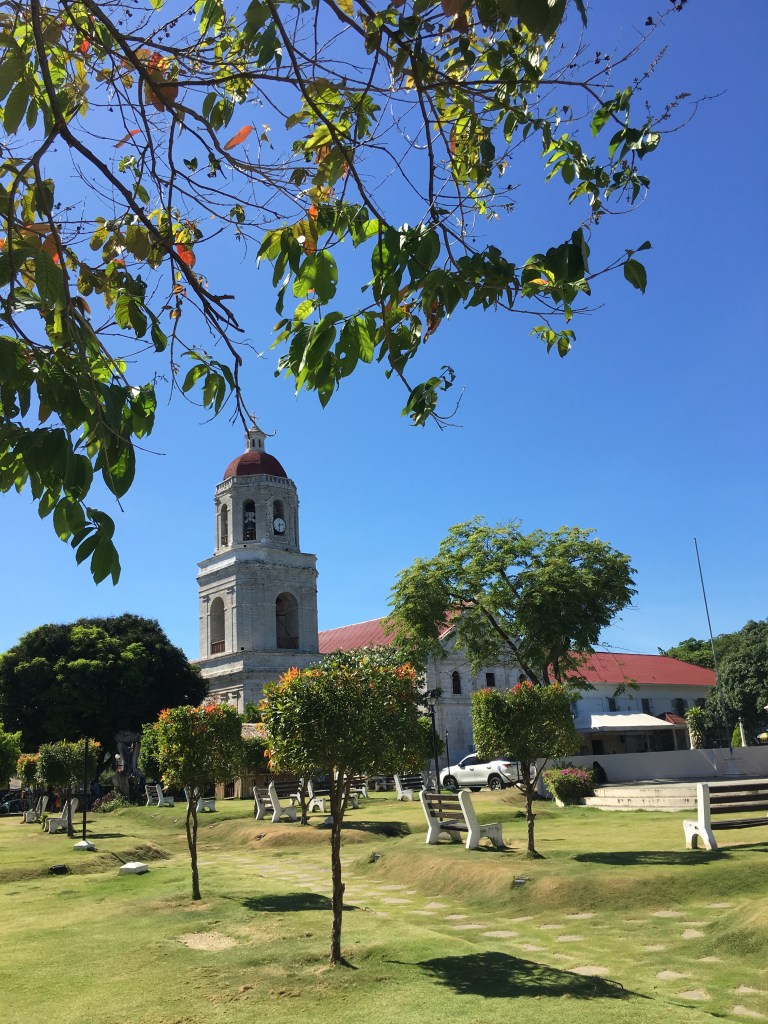
Cebu city is the oldest and the first capital of the Philippines. The province is located in Central Visayas and has its main island plus 167 islands and islets. Ferdinand Magellan was the first European to come to the Philippines in 1521, he planted a cross to signify an important event about the propagation of the Roman Catholic faith. The cross is now housed in a chapel at Magallanes Street.

IMG_3119

Cebu is also one of the leading corn-producing provinces in the Philippines. Corn milled into grits is a staple common in many households in Cebu. They substitute corn grits to rice. I tried cooking and eating corn grits and true enough, they are the perfect alternative to rice. Eating corn grits make you feel full faster and you won’t easily get hungry relative to rice. Perfect for those people cutting carbs/rice on their diet.

What to expect: Beautiful old churches and beaches you can visit. The city feels like Manila with relatively lesser people and vehicle well I guess because it is the second largest metropolitan area in the Philippines after Manila. Cebu’s dried mango has a distinct taste that will surely leave you craving for more and also let us not forget our dearest lechon. LOL.

5. Negros Occidental

Bacolod City or the city of smiles is the capital of the province. Negros Occidental is situated in the region of Western Visayas. It is the fourth largest island in the Philippines and second most populous province in Visayas after Cebu. The people there primarily speak Hiligaynon.

20160628_160120

The soil in Negros is basically volcanic making it ideal for agriculture. Around 80% of all arable land is cultivated in the island. If you happen to be sitting on the window seat, take a look outside before the plane lands and you will see large land areas planted with sugarcane which explains why it is known as the “sugarbowl of the Philippines”. Sugar industry is the main contributor to the economy of Negros Occidental producing around half of the country’s sugar.

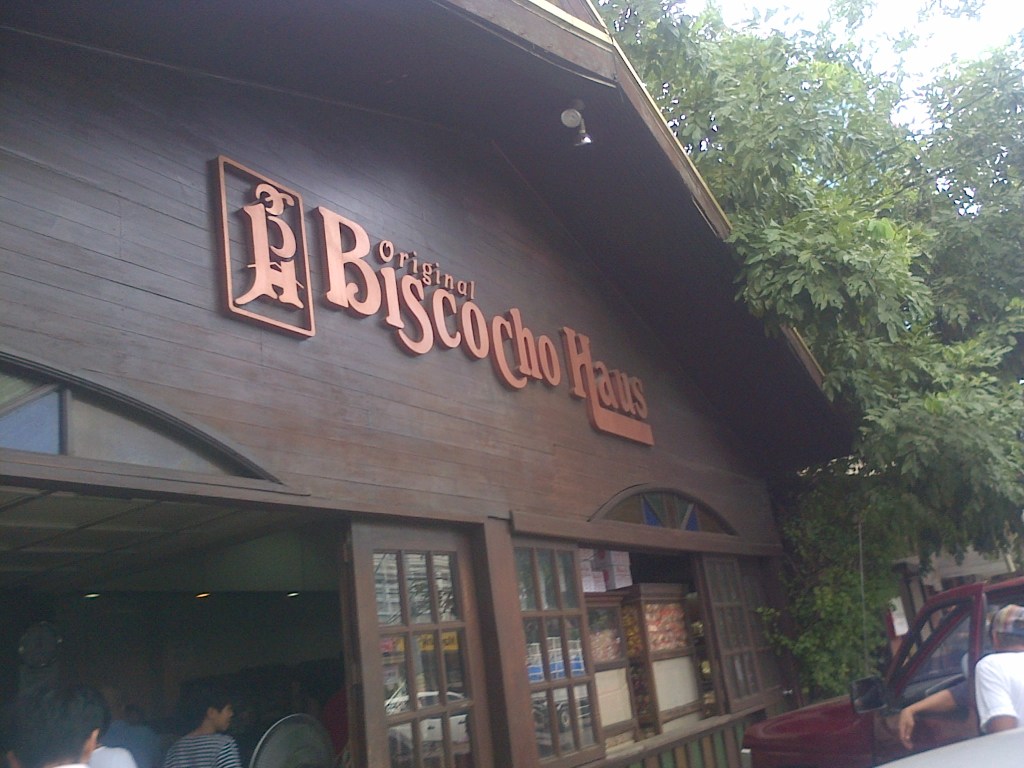
What to expect: The strong sugar scent coming from sugarcane plantations early in the morning. Soft-spoken people. MassKara Festival every third week of October. Delicacies and pampasalubong with a touch of sugar of course such as piaya, biscocho, and pinasugbo. There are also grilling kiosks and restos everywhere – hello chicken inasal. Seafood is cheap in some areas and the oyster dipped in sinamak (vinegar with lots of spice) is bomb (ok, my mouth is watering rn).

6. Iloilo

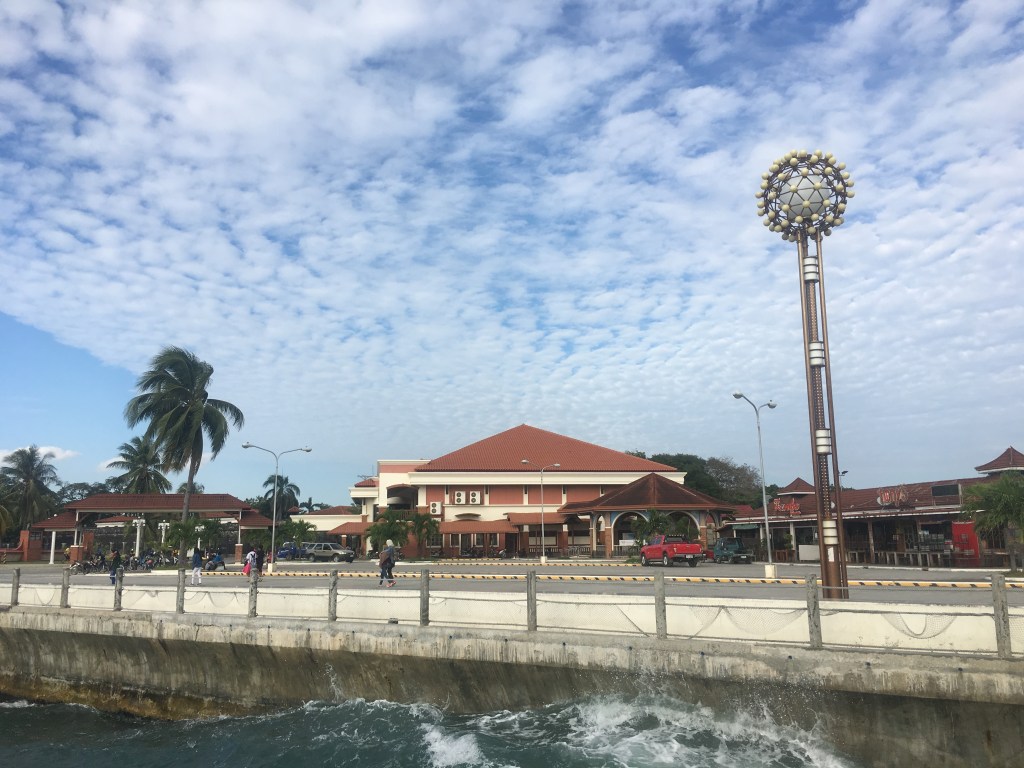
Just like in Negros, people here or the Ilonggos are so malambing when they speak. They use three languages such as Hiligaynon, Kinaray-a and Capiznon. The province is situated in the Western Visayas part of the Philippines and occupies the central and eastern section of Panay island. Iloilo is known for its beautiful old world architecture – Spanish colonial churches are amongst the famous tourist sites.

IMG-20150716-00176

Iloilo City is the capital of the province and center for business, shopping, education, medical, real estate and many more. Due to its distance from the Visayan Sea, Iloilo has a strong fishing industry and a booming tourism industry. They produce a wide array of agricultural products like rice, corn, banana, pineapple and sugar among others as well as high-end crops.

What to expect: Bodies of water and therefore there is variety of fresh, delicious and cheap seafood. Hot and yummy batchoy which is best paired with pandesal or biscocho. Beautiful old churches. A few minutes boat ride from Jordan Port to Guimaras.

7. Zamboanga del Sur

Located in the Zamboanga Peninsula region in Mindanao, Zamboanga del sur covers a total area of 1,737.25 sq mi covering the southern part of the peninsula. The name Zamboanga came from the Malayan word “Jambangan” which means a place of flowers. The first settlers of the area were known as the Subanons or Subanens – meaning “river folksIMG_1083

The province excels in the field of agriculture, mining and fishing with agriculture being the major contributor to the province’s economy. The large agricultural land area of the province comprises of non-forested areas, areas for annual crops, fishponds, perennial crops, and grasslands.

What to expect: Chavacano-speaking people. Cheap imported goods. Stores selling malongs and jewelries. And last but definitely never the least…curacha!!!

8. Bukidnon

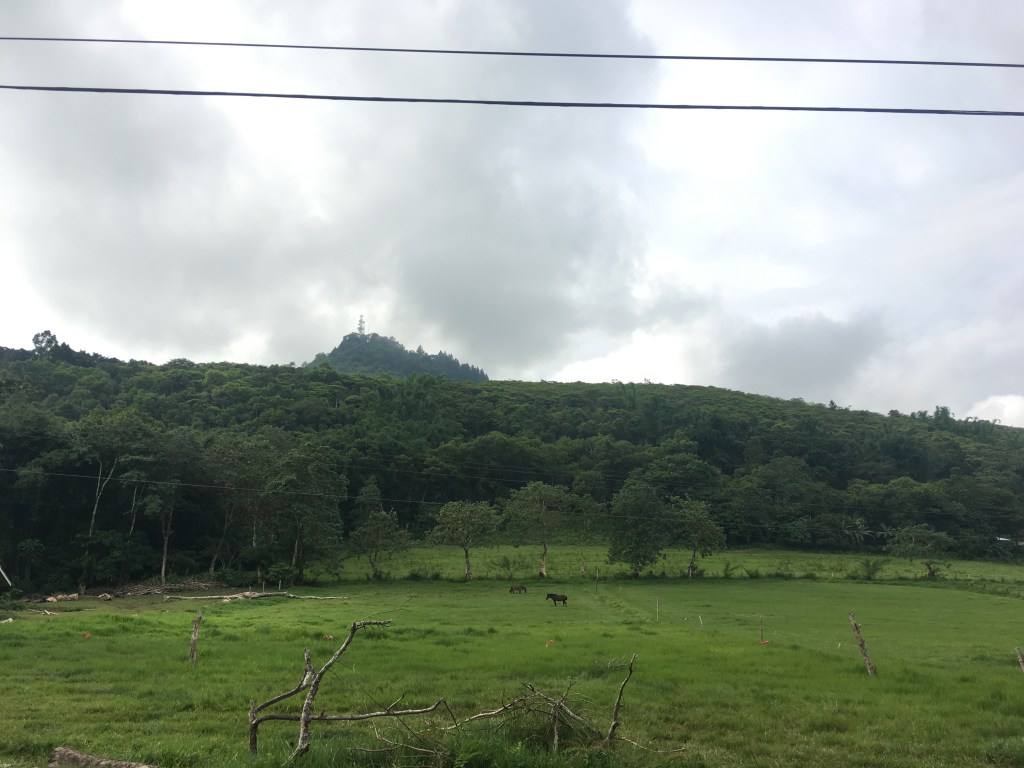
Another landlocked province – Bukidnon which means highlander or mountain dweller. This place occupies a wide plateau in the north central part of the island of Mindanao. Southern and eastern boundaries of the province are mountainous area. The picture below shows the Musuan Peak or Mt. Musuan near our field work.

IMG_6198

The province is the major producer of rice and corn and therefore it is considered as food basket of the region. There are also products from plantations such as pineapples, bananas and sugarcane. Majority of large firms operate processing and production of the above-mentioned crops. Bukidnon, being landlocked highly depend on nearby cities Cagayan de Oro and Davao for marine products.

What to expect: If you are traveling by land from Cagayan de Oro or Davao airport, buses stop at certain checkpoints – either for livestock quarantine or security purposes. During fruiting season (~September to November), you can enjoy fruits like durian, lanzones, mangosteen, pomelo and marang for a relatively cheaper price.

9. Sultan Kudarat

The province is located in the Soccskargen region in Mindanao. The name Sultan Kudarat came from its Muslim ruler Sultan Muhammad Dipatuan Kudarata who is considered a national hero.

IMG_4024

Agriculture is the predominant economy in the province. Some of the crops being cultivated in the province include rice, corn, coconut, mango and banana. Fruits are relatively cheap and fruit stands can easily be spotted on roadsides.

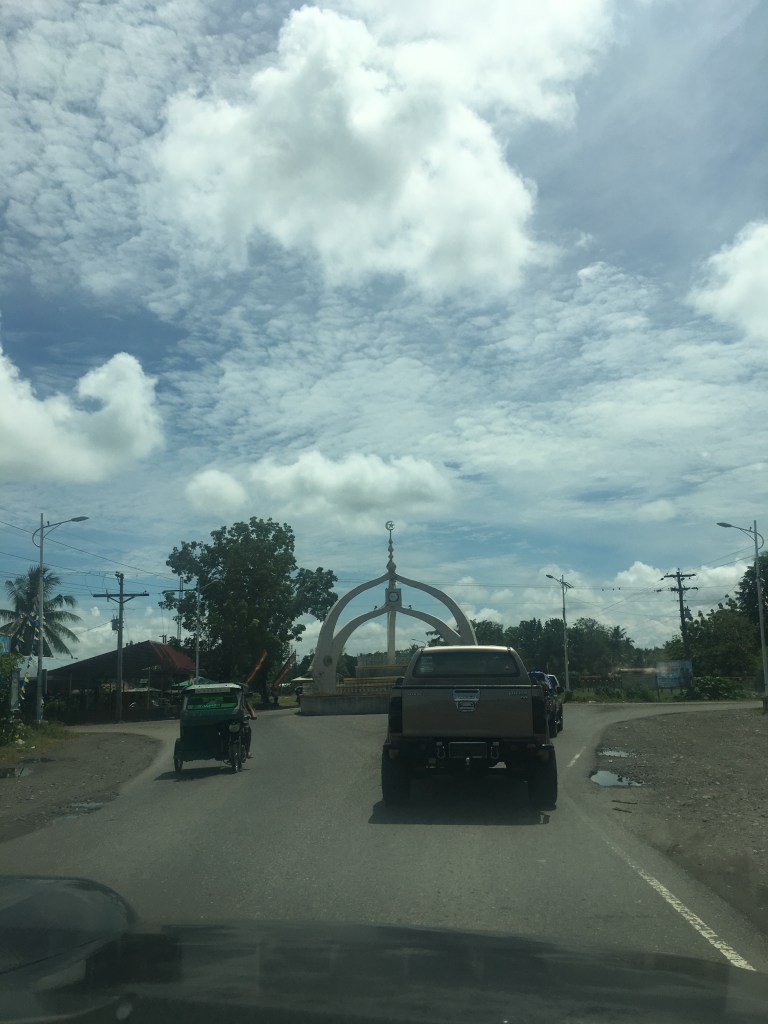
What to expect:  Mountain ranges. Muslim communities. Roundabout with a structure showing a crescent moon and a star (used to symbolise Islam). Despite all the bombing news about the province, I found the place generally peaceful with kind and helpful people.


Given the opportunity to travel for free, which province are you going to visit first?


A Quick Guide To Ukay-Ukay Hub in Tagaytay

Do you have thrift/ukay-ukay shopping plans? Why not try the Ukay-Ukay Hub in Tagaytay? Here’s a quick guide:

HOW TO GET THERE?
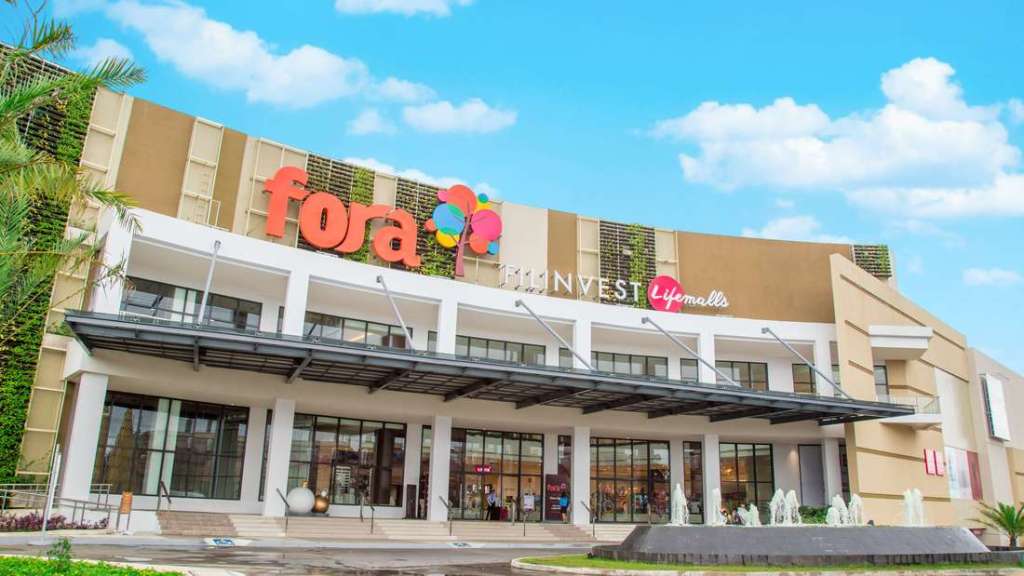
If you have a car, going to Tagaytay will be very easy. Just locate Fora Mall, park and you are ready to go.

img-4520-01_orig
photo not mine. ctto.

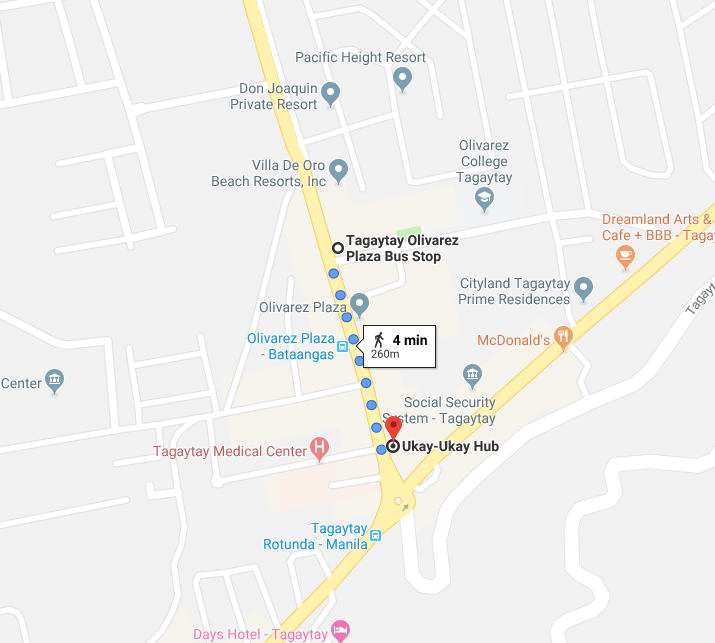
For commuters coming from places near Los Baños, Laguna, here’s what we did: At Crossing, Calamba Public Market you can ride a van going directly to Tagaytay City Market. However, our visit was during a holiday and there were fewer vans going to Tagaytay so we opted to cut trips. First, we rode a jeepney bound to Balibago Complex, Sta. Rosa. At the back of Target Mall in Balibago, we rode a jeepney bound to Tagaytay. We dropped off at the terminal in Tagaytay City Fruit/Flower Market and wait for a jeepney with ‘Olivarez’ signboard (or if you are a group of 3-5, you can ride an e-trike). You can walk going to Ukay-Ukay Hub from Olivarez Plaza. The Ukay-Ukay Hub is just across Fora Mall.

For those coming from the city, as a promdi, I am not well versed on commuting from Metro Manila/Quezon City. Check this link (http://www.thejunction-tagaytay.com/how-to-get-to-tagaytay-by-commuting/) on how to go to Tagaytay and then once you are at Olivarez Plaza or Fora Mall, you are just a few meters away (or a less than 5-minute walk). Use your google map to easily locate the place.

Screen Shot 2019-08-28 at 11.05.02 PM

WHAT TO PREPARE?

Do not underestimate the small signage of the Ukay-Ukay Hub. This thrift shop is so massive you’ll probably be overwhelmed. Don’t panic. Here are some preparations you can do:

img_1693

Wear appropriate clothes. Wear the most comfortable shirt, pants and footwear. Remember, you will be searching from several racks and will be standing for too long so better gear up. It’s also better if you bring and wear a face mask (because as in every ukay-ukay, you can’t avoid dust which can trigger sneezing).

Note: The shop is not air-conditioned but it has a commendable ventilation.

Bring some extras. Extra clothes so that you can change when you got sweaty and kinda dusty after shopping. Extra water and snack for that hydration and energy you need while finding thrifted treasures. Extra ecobag because who knows how many pieces you’ll get, right? And extra patience since you will face a wide array of options.

WHAT TO EXPECT?

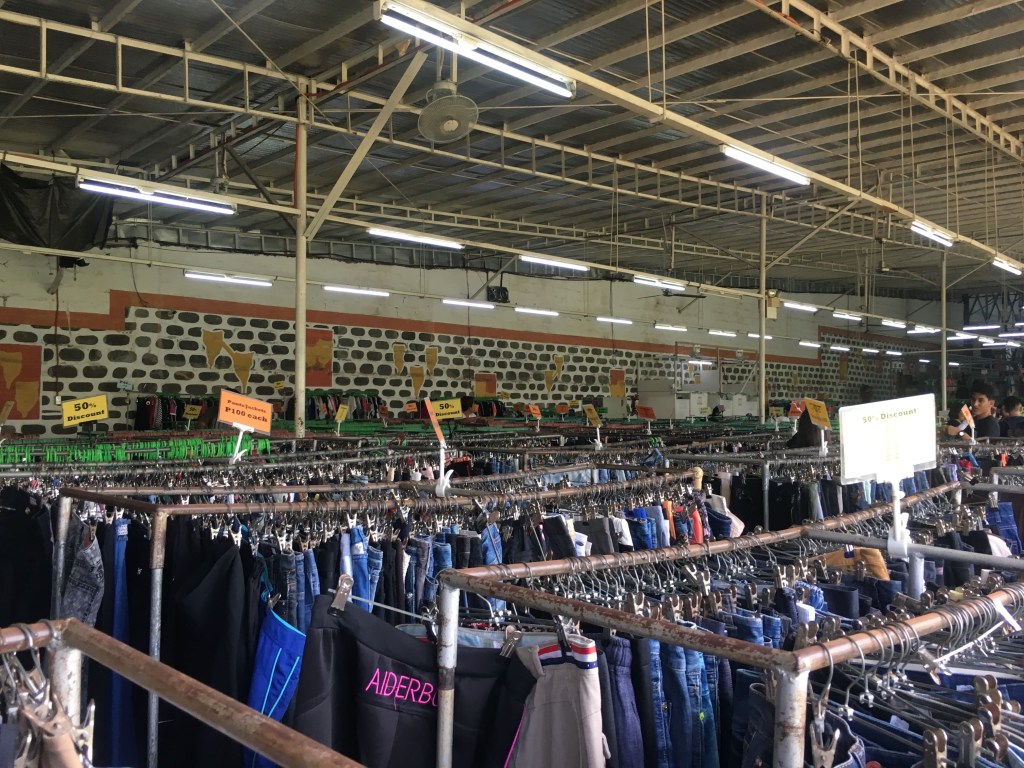
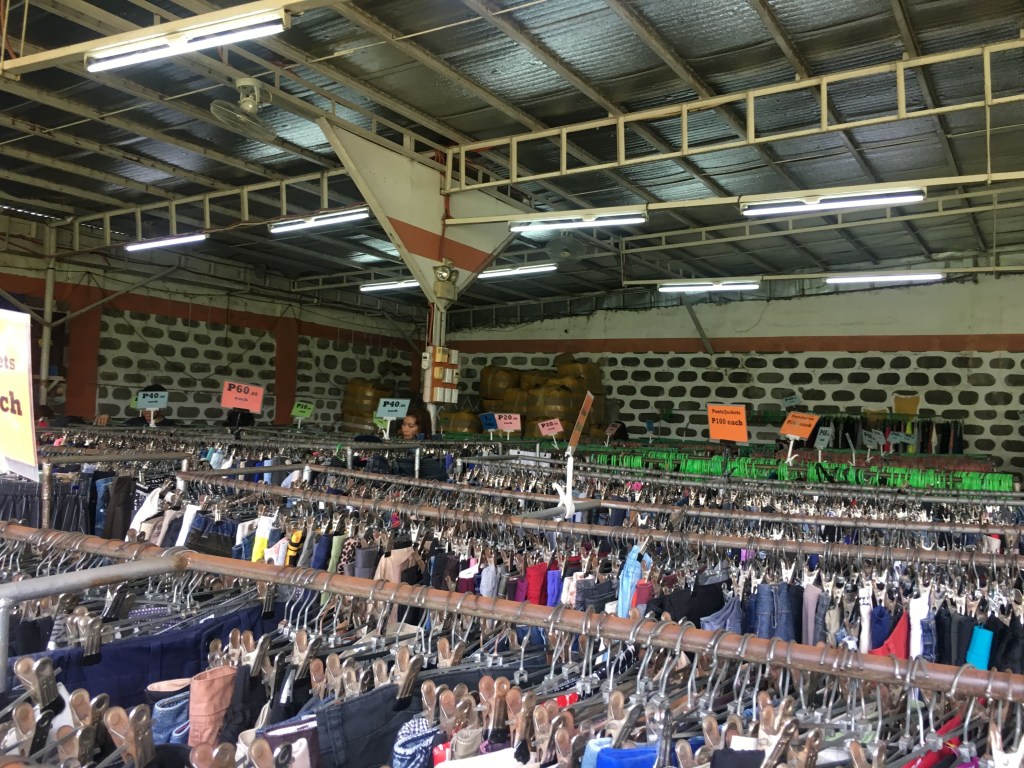
Upon entry you’ll find sea of clothes hanging on the racks. At first glance it looks small, but as you walk inside you’ll see how big this Ukay-Ukay store is. Relative to those individual Ukay-Ukay shops I tried in Baguio, Anonas, Laguna, and LRT stations this one is the biggest I’ve seen. And, I am guessing, 4 hours is not enough to browse everything in this shop if you are considering checking each piece in every rack.

Ukay-Ukay Hub basically sells preloved shirts, polos, pants, tokongs and shorts for men, women and kids (dominated by clothes for women). Aside from clothes, you can also spot areas for bags and shoes.

img_1694

Clothing racks near the entrance are the priciest while lowest ones are at the back. Front line clothes are new arrivals with FIXED price ranging from 100-500 pesos. There are several brands to expect like Uniqlo, Zara, G2000, Levi’s, Cotton On, and H&M (these are brands I personally spotted).

TIPS: Branded piece at low price is a good steal IF AND ONLY IF it fits your size, the style suits your liking, and it still has good quality (check for any damage or stain). Stop yourself from getting ukay-ukay clothes that do not fit you or have damage or permanent stains just because they are cheap and/or branded. Also, do not settle for those pricey branded pieces because you are defeating your purpose of Ukay-Ukay shopping. There are a lot other unbranded and good quality clothes, shoes and bags on sale which can still ‘spark joy’. JUST KEEP LOOKING.

As you dig deep in, you will find racks on sale. These racks are labeled with less PhP 20, 30% off, PhP 10 – 60 each and 4 – 5 pieces for PhP 100.

img_1695

TIP: Start your search from the back.

I hope this post will lead you to a sulit, comfortable and fun Ukay-Ukay Hub shopping experience. If you have extra time and budget you can shop for fruits and flowers at Tagaytay City Fruit/Flower Market or view the Taal volcano while dining or sipping coffee. Besides, you need to relax after hours of standing and looking for budget-friendly pieces to add to your wardrobe.

 
https://pagead2.googlesyndication.com/pagead/js/adsbygoogle.js (adsbygoogle = window.adsbygoogle || []).push({ google_ad_client: “ca-pub-9588335866876339”, enable_page_level_ads: true });

10 picture perfect places in Taiwan you can visit for free

You heard it! Taiwan’s visa-free entry for Pinoys is extended! If you are on a tight budget but want some picture perfect location, try out these places!

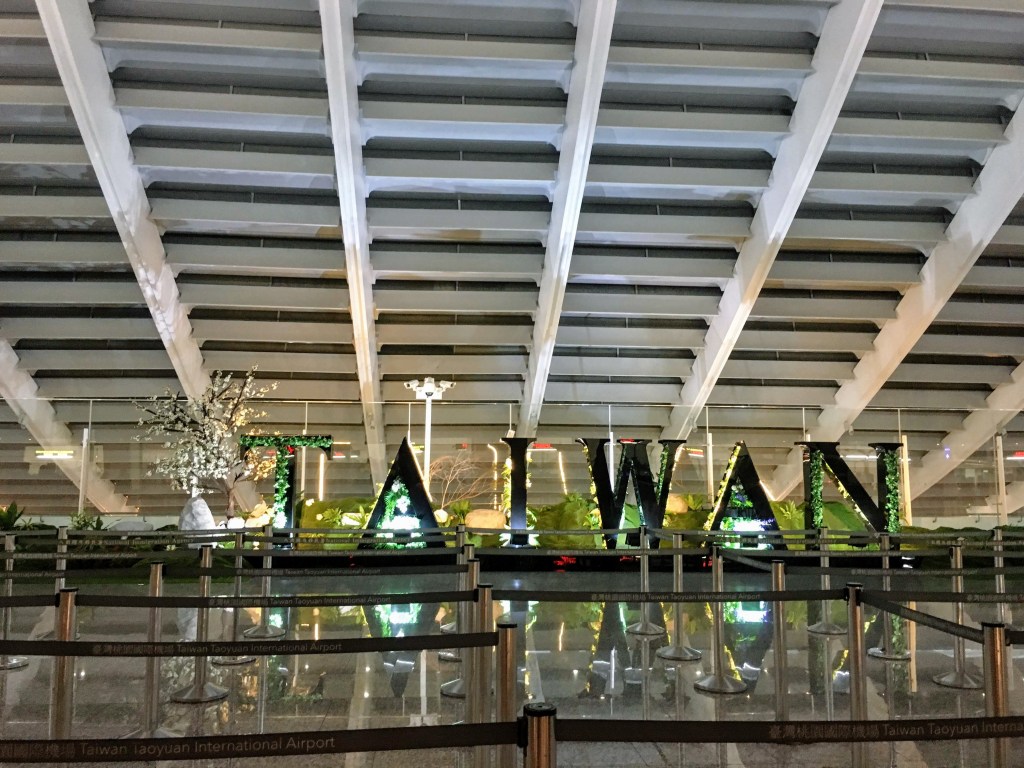
1. Taoyuan International Airport

Upon arrival or before leaving the heart of Asia, stroll a little, they have a good airport with hidden spots to pose. Just like this TAIWAN signage spotted before going to immigration area.

IMG_8507

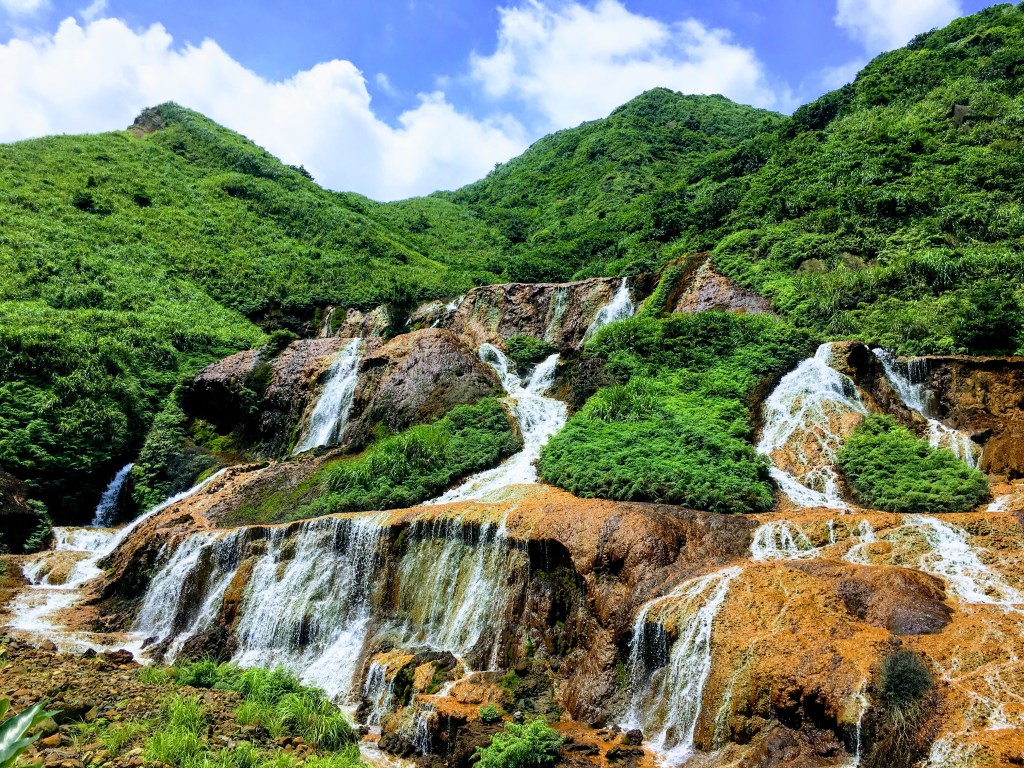
2. Golden Falls at Ruifang District

This falls can take your breath away. The place was formerly a copper mining site giving the rocks its golden color hence the name.

IMG_8732

3. Jiufen Old Street

The street looks ordinary at first glance but as you go along, you will realise that it has a mysteriously fascinating view. With some skill from your photographer and you as the subject, you can get the perfect angle.

IMG_8801

3. Shifen Old Street

It is the largest station on Pingxi Line. The railway is aesthetically pleasing and just perfect for your railway model shot. LOL.  The famous activity there is lantern lighting (1 lantern = NTD 180 with color to choose from), wherein you write your wishes on the lantern and release the lantern to the air. But, if you’re not fan of this activity, just be yourself – a photobomber. LOL.

IMG_8930Note: if you still have night markets to visit, do not buy yet your pampasalubong/souvenirs there, the price of goods is relatively higher here.

4. Rainbow Village

This is one of my favorite places when we visited Taiwan. Pretty walls everywhere and free entrance? Who wouldn’t love this village? It was created by a former soldier Huang Yung-Fu. The place is located in Nantun District, Taichung, Taiwan, 3-4 hours away from Taipei.

DSCF4911

5. Elephant Mountain

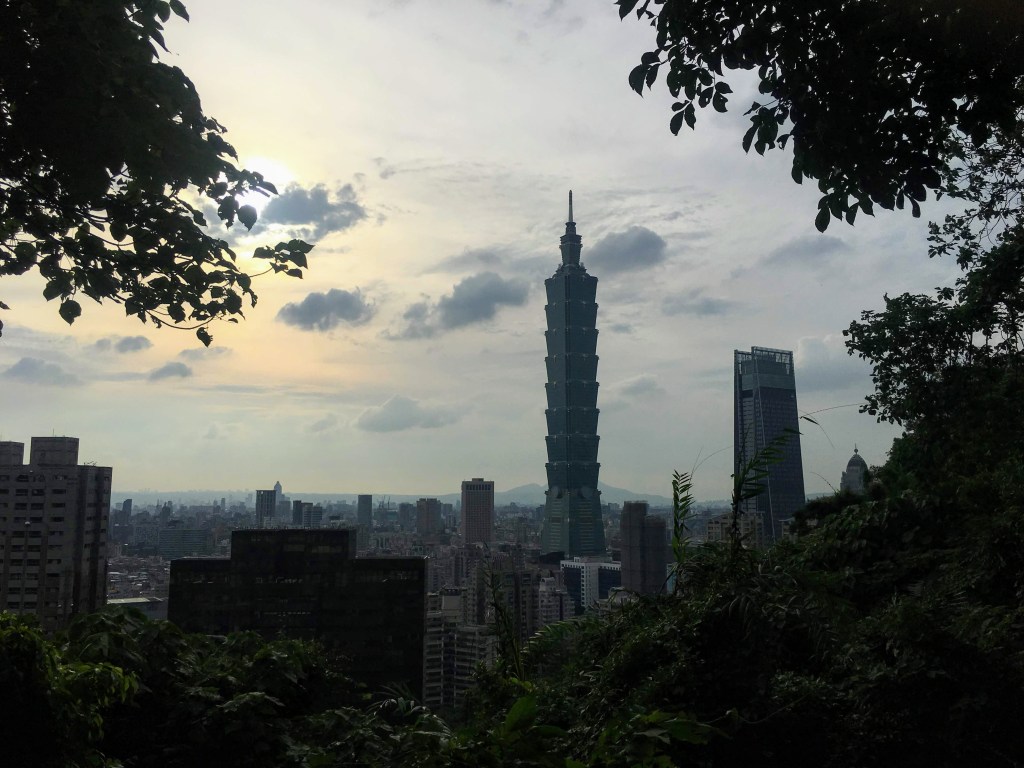
If you have no budget for Taipei 101 but want to have an overlooking view of the city, you can try hiking the Elephant mountain. The trail is not rough but it is a long and kinda tiring trek. You have to climb several steps to get to the top. Make sure to wear appropriate attire and bring extra clothes and water. Start trekking at around 4-5pm if you want to see the sunset. You can stay there until darkness engulf the city and see the lights slowly coming into life.

IMG_0080

6. Xinyi District

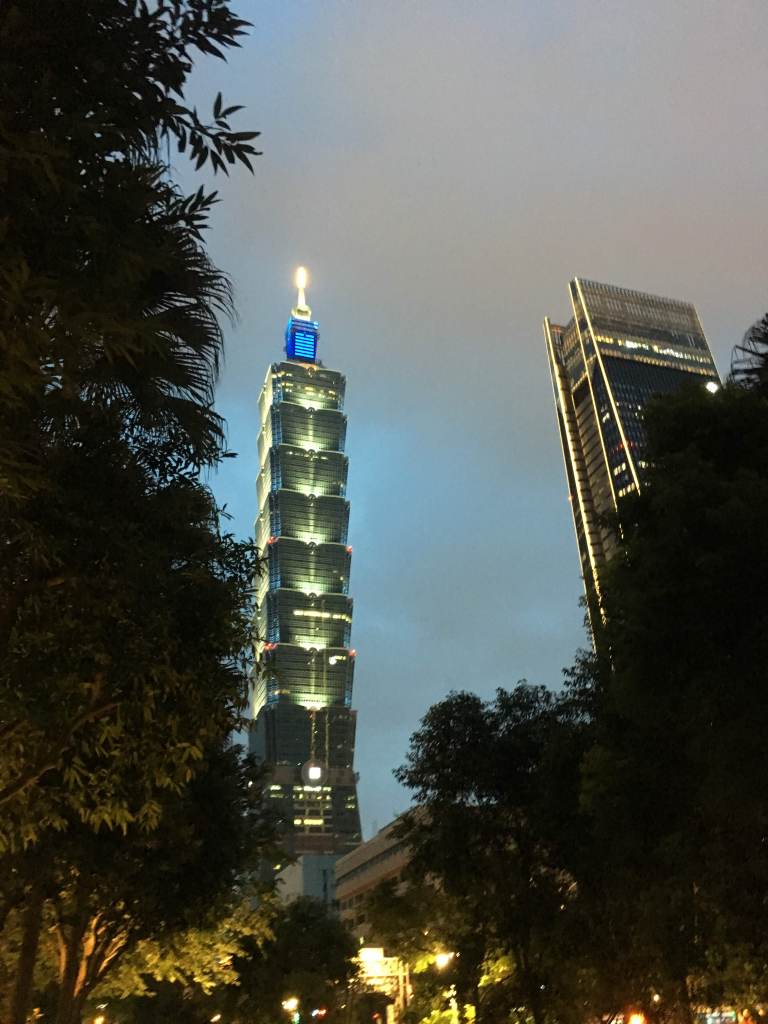
After seeing the lights from above (at Elephant mountain), admire them from below. City lights from above and below are just equally beautiful. Walk around Xinyi Distrit and make Taipei 101 your perfect backdrop.

IMG_0172

7. Night Markets

Shilin. Raohe. Huaxi. Name it. Taiwan has many night markets to offer. These markets are free of entrance. Just prepare your stomach and budget because there are a LOT of foods to try! And if you’re already full and the night is still long, why not spot places worthy as background? Like the structure I found in one of the night markets we visited.

IMG_0382

8. National Palace Museum

This place is located in Shilin District, Taipei. There is an entrance fee if you want to go inside the museum but it is free if you availed the Fun Pass. But do not get dismayed, there are so many locations outside the museum you can take your picture for free. Try out the architectural arch in front of the museum.

IMG_0439

9. Chiang Kai-shek Memorial Hall

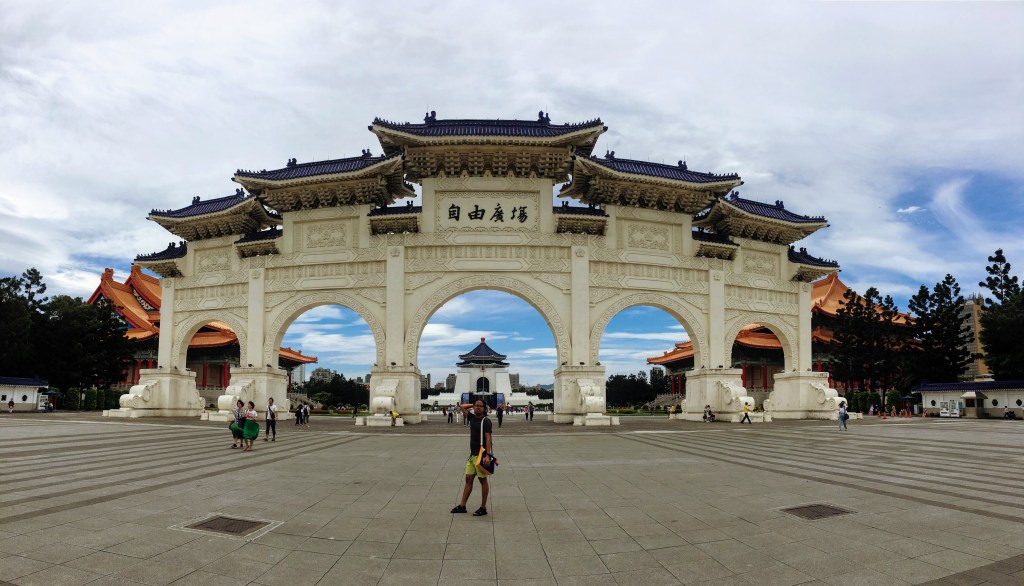
This is a famous landmark and tourist attraction built in memory of Generalissimo Chiang Kai-shek, a former President of the Republic of China. The place is located in Zhongzheng District, Taiwan. Tip: get the whole picture of their pretty Paifang (Chinese gate) using the panorama mode of your camera/phone.

IMG_0492

10. Longshan Temple

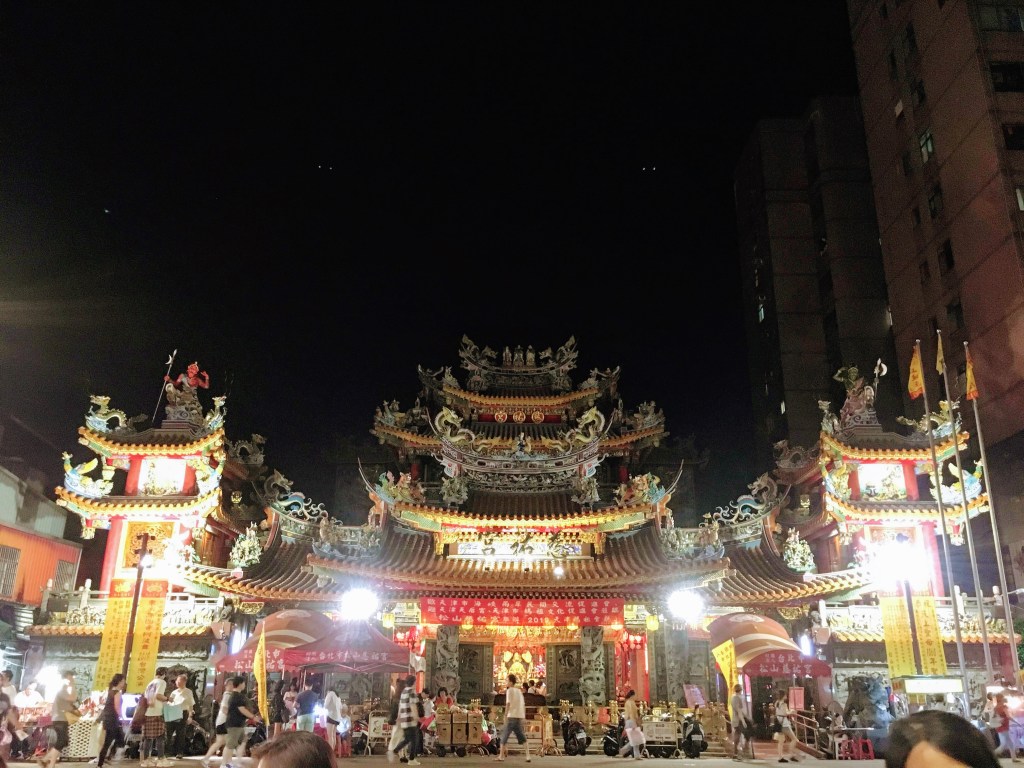
Amazingly, this one stood for hundred of years already. It was built in 1738 and survived several natural disasters and wars. This is one of the largest and oldest temples in Taiwan. Entrance is free but donations to maintain the place is encouraged. Aside from this structure, there is also a mini falls on the side you can admire.

IMG_0695-2

Taiwan is a beautiful place you should put in your bucket list. You do not need to spend too much because there are a lot to see in this country that are pleasing to the eyes and to your (IG, FB, Twitter) feed.

The kind of love we deserve

LOVE. That’s it! All we need is love. Sounds cliché but in reality, all people need love because we are all created from love. Yes, all of us exist because of love.

20180610110522_IMG_2760

But, do we really know the meaning of love? We are almost always lost for words to define what love is. During my teenage years, I always relied on what I saw in the books and what other people had said. But, to be honest, I really didn’t have an in-depth understanding of love back then. I thought it was just an emotion felt by two people. Eventually, I realized that it was more than that. Love can be in different forms, it can be towards a person, dream, work, or even material things.

They say to love yourself first before loving anybody – I totally agree with this. But how can you apply self-love if you don’t even know what it is, right?

I used to ask myself why lovers break up, why dreams don’t come true, why workers quit their jobs, and why some people become so broken or empty. And I am guessing it is because they have the wrong connotation about love.

I bumped into a bible verse that changed my perspective towards love.

1 Corinthians 13:4-7

“Love is patient, love is kind. It does not envy, it does not boast, it is not proud. It does not dishonor others, it is not self-seeking, it is not easily angered, and it keeps no record of wrongs. Love does not delight in evil but rejoices with the truth. It always protects, always trusts, always hopes, always perseveres.”

Regardless of your belief, I think this is the best definition of love and the kind of love we are all worthy of – do not settle for anything less than what you deserve.

Choose the love that tolerates delay and has the willingness to wait.

Choose the love that is governed by goodness.

Choose the love that knows contentment.

Choose the love that does not boast and is not proud of temporary things.

Choose the love that respects.

Choose the love that puts their good for your good.

Choose the love that is selfless and easily forgives.

Choose the love that does not delight in wickedness and is true and honest.

Lastly, choose the love that will make you feel safe, confident, faithful, and strong.

22 Things you can do in Korea during summer

Finally! You found an incredible seat sale (around PhP 4,000 – 5,000 for a round trip ticket) for your dream Korea trip but the only schedule available is during the summer season. If you have read blogs discouraging you to book flights to Korea during summer, you will either end up regretting your impulsive buying of tickets on sale or having second thoughts whether to book it or not……

STOP RIGHT THERE. Delete the regrets and hesitations and get ready to cross out South Korea from your travel bucket list! Here are the 22 exciting things you can do during your summer vacation in Korea!!!!

1. Wake up.

Yes. Just waking up is exciting because the sun seems to rise earlier than where I live (Philippines). The early morning vibe will make you feel that you can do more things in a day.
20180608055744_img_1419

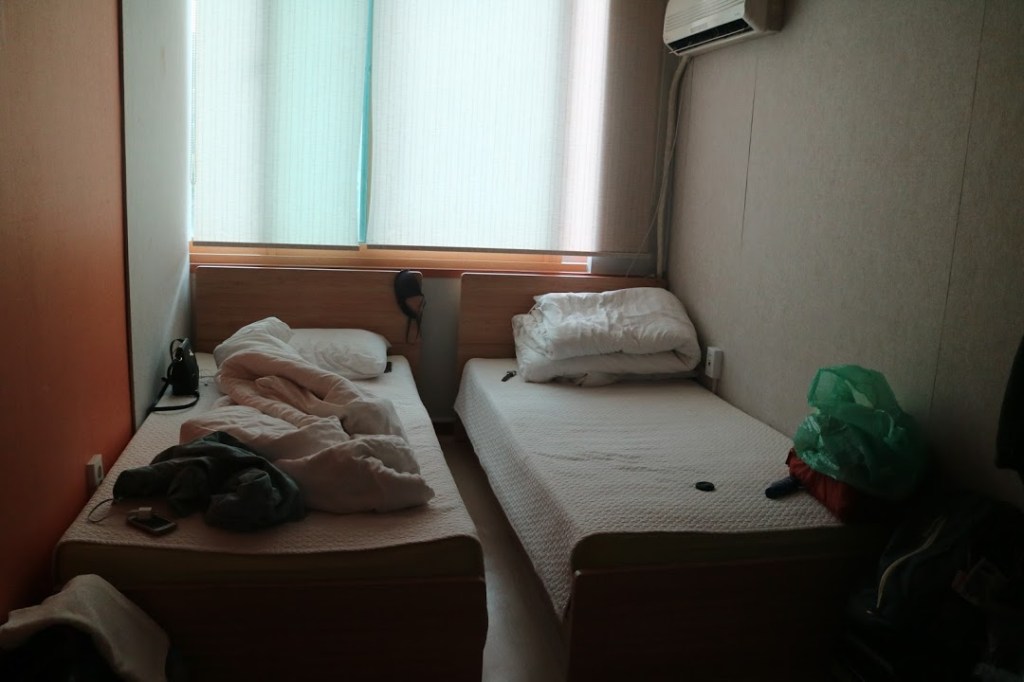
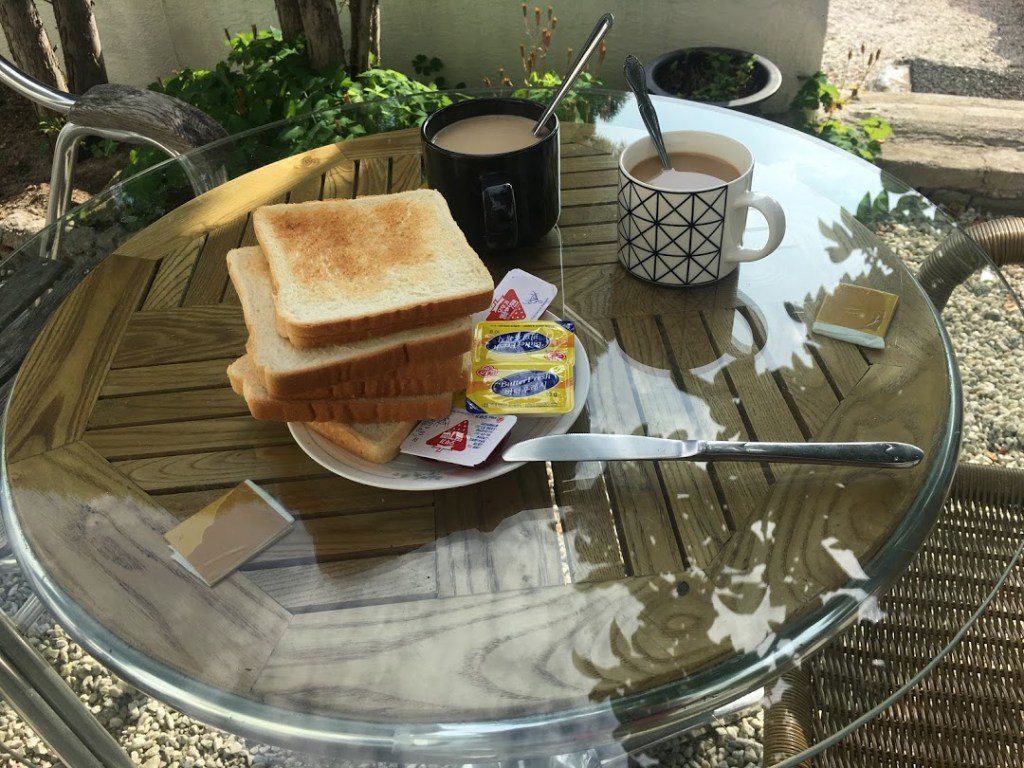
Make sure to get comfortable rooms! We got this 2-bed room with wifi, air-condition/heater, common restroom, free breakfast and unlimited drinking water and near train station for only PhP 700/day.
img_4077

What excites me the most in the morning? The free breakfast you can enjoy outside the house! Unlimited toasted bread with jelly and butter spread and coffee plus the nice ambiance!

20180608055732_img_1418

We always woke up at 5am to this view every morning.

2. Try out  stuff from convenient stores.

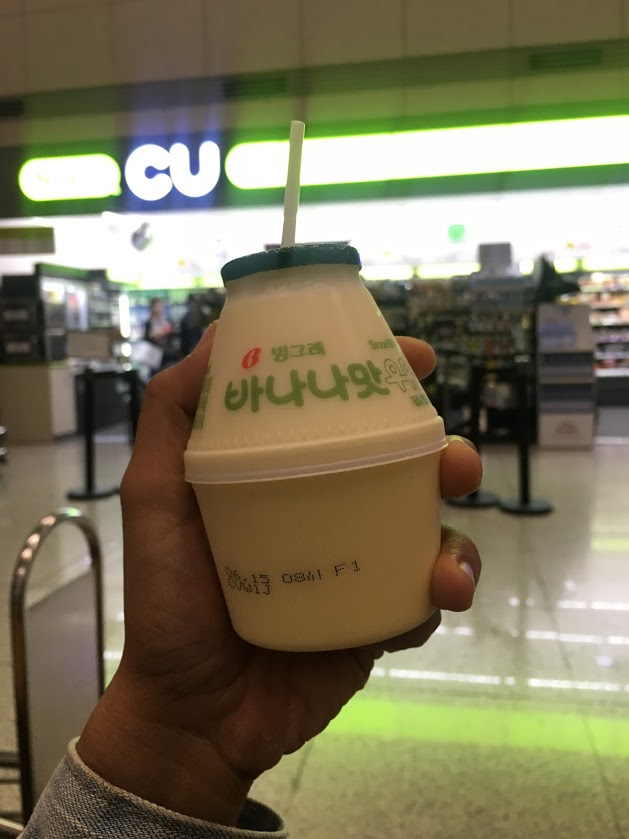
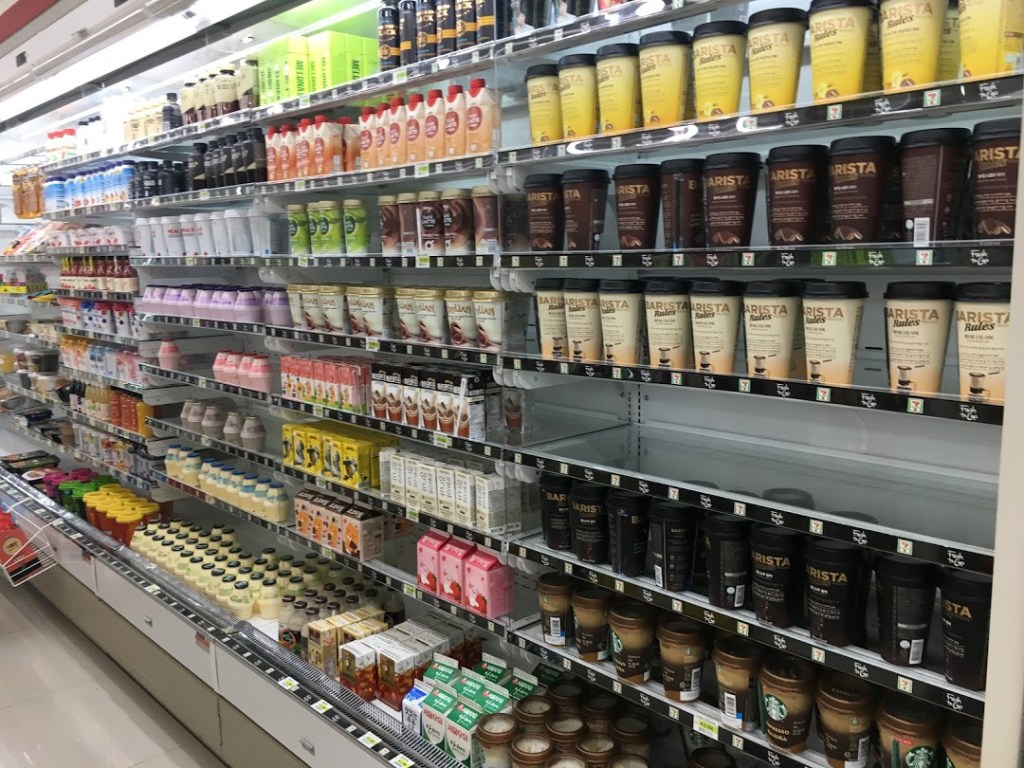
They have several convenient stores and each of those offer different products! Have you tried the banana yoghurt drink? It’s one of the best.
img_2350

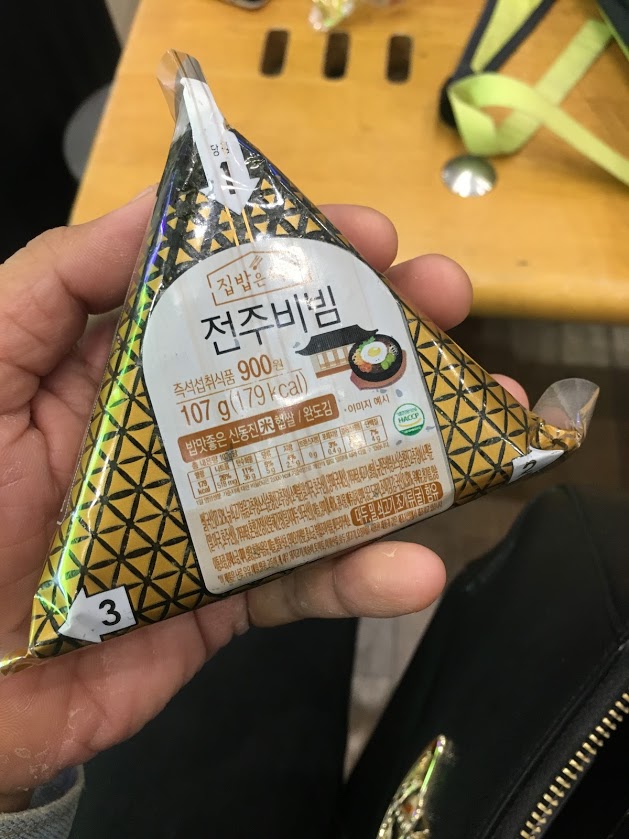
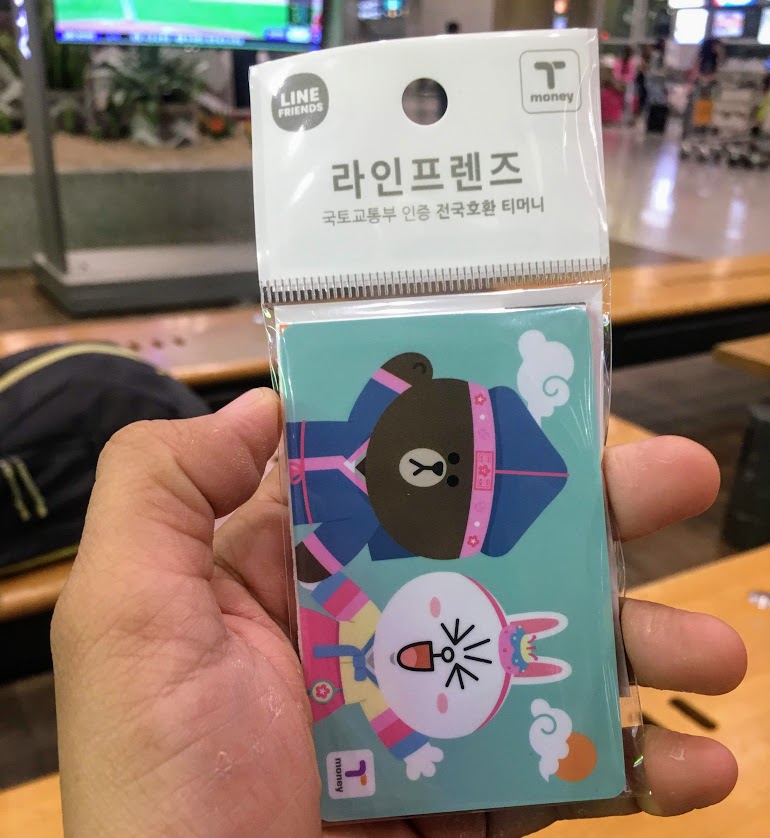
The airport offers convenient store and we had a quick snack and bought T-card upon arrival. (forgive the dry skin of my palm. LOL)
img_2349

img_2347

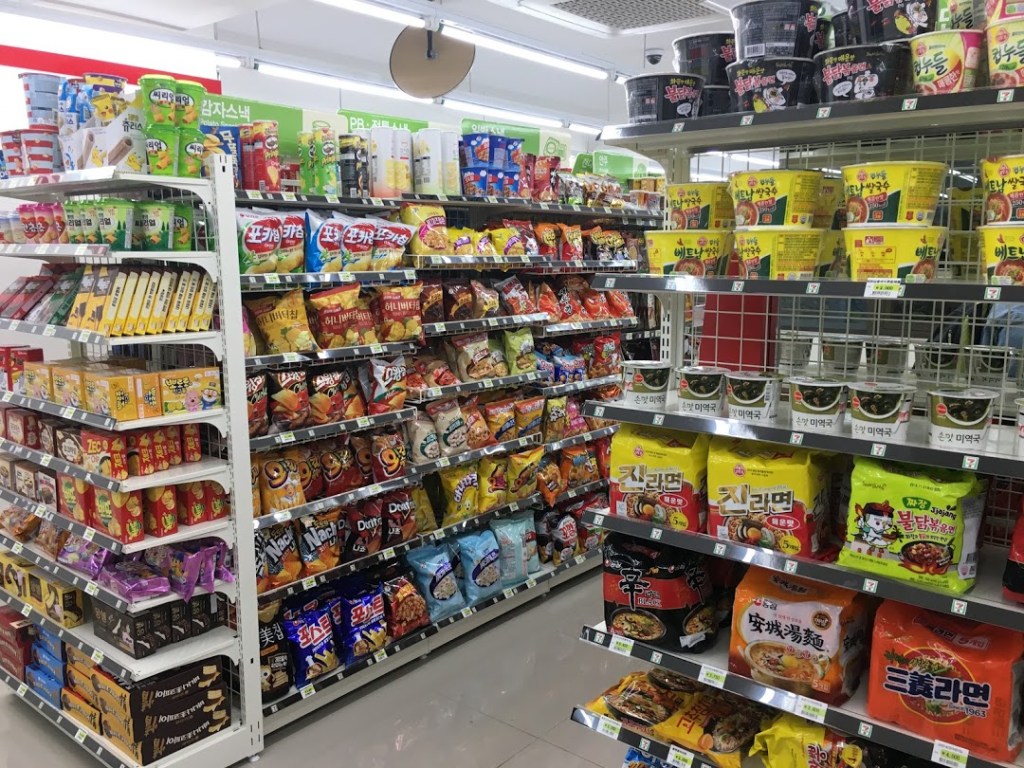
Around the city, there are a lot of convenient stores offering almost every basic stuff you need.
img_3883

img_3882

img_3572

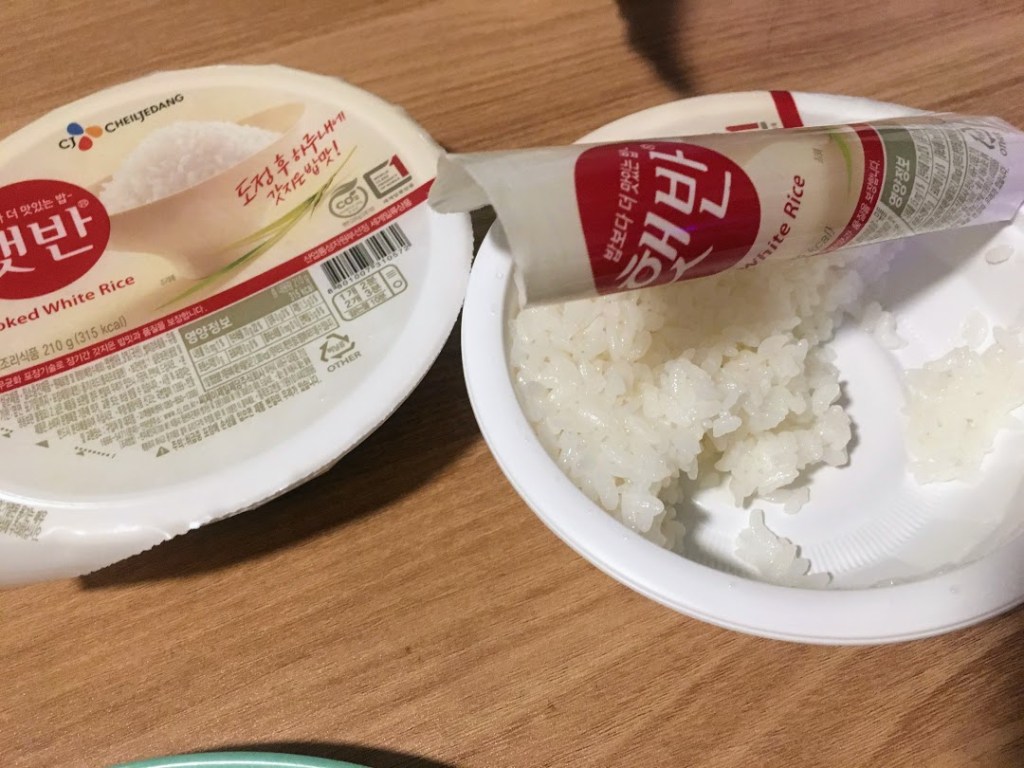
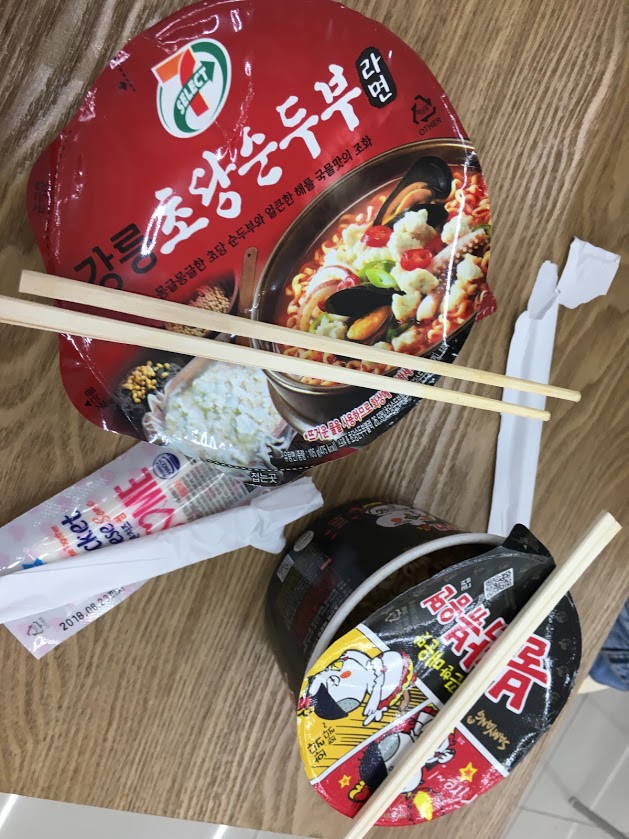
You can even buy cooked rice – microwave ready! The price is good for its contents and taste.
img_3885

We even had some noodles and pocket cheese sticks!

3. Commute with fun.

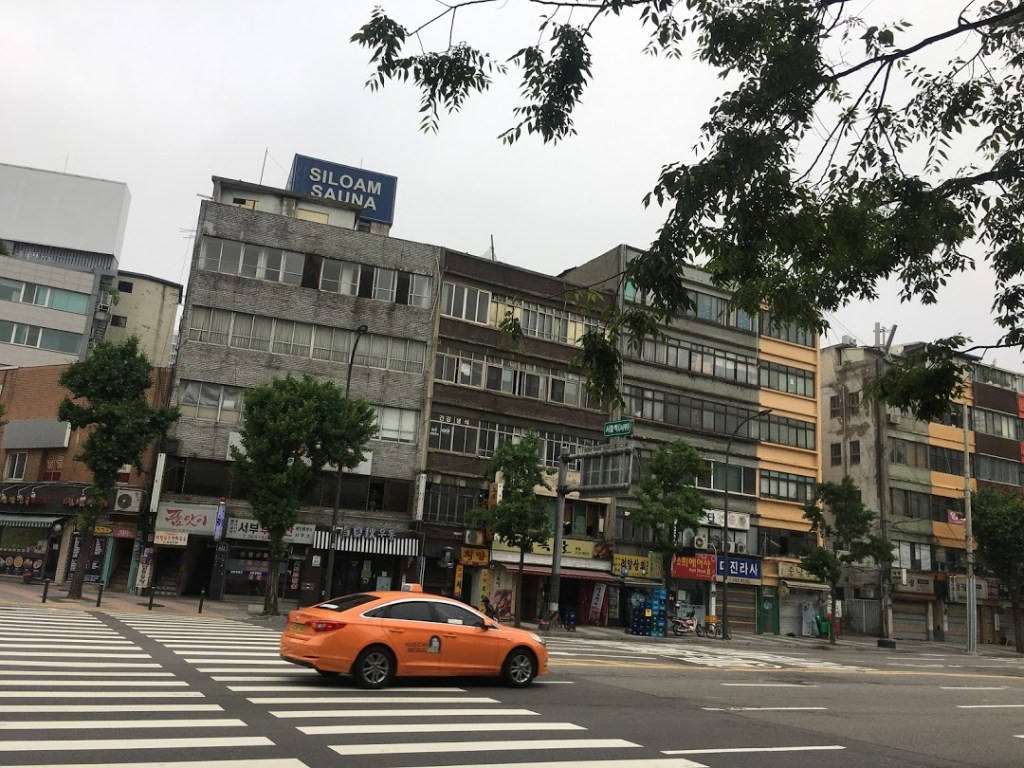
Transportation system in Korea is plausible. They have varying means of commuting and among them are taxis, trains, and buses.
img_2397

Taxi rides are quite expensive and therefore if you are on a budget you need to have fun figuring out how to get from one point to another. The train line looks complex but if you plan well your itinerary and carefully read signages, you will get to your target place with ease.
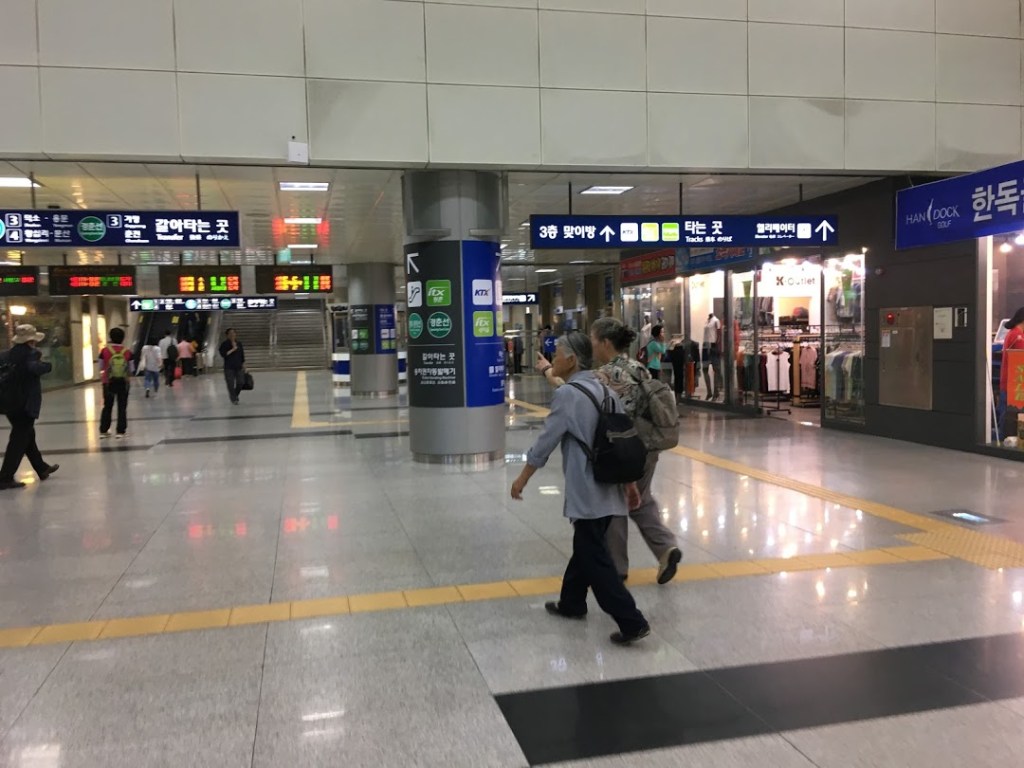
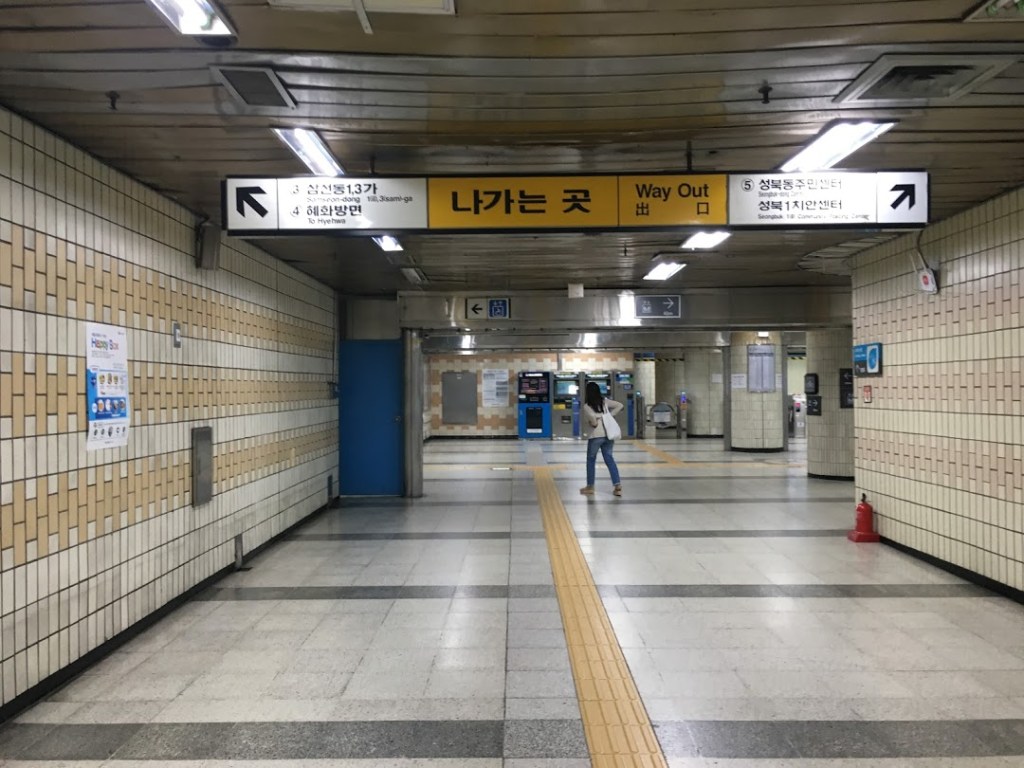
img_3161

img_3157

They even have train in the airport! Make sure to give way to pregnant women and senior citizens and not to make too much noise inside the train.
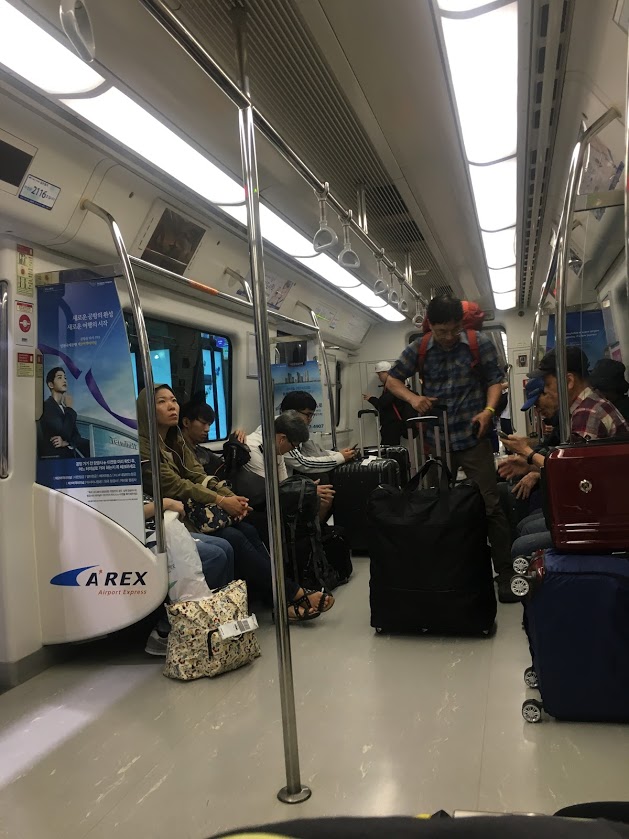
img_2365

Most trains we rode accepted T-money card upon entry except the train going to Nami island wherein someone inside the train collected our fare (Tip: always have some cash).

img_2400

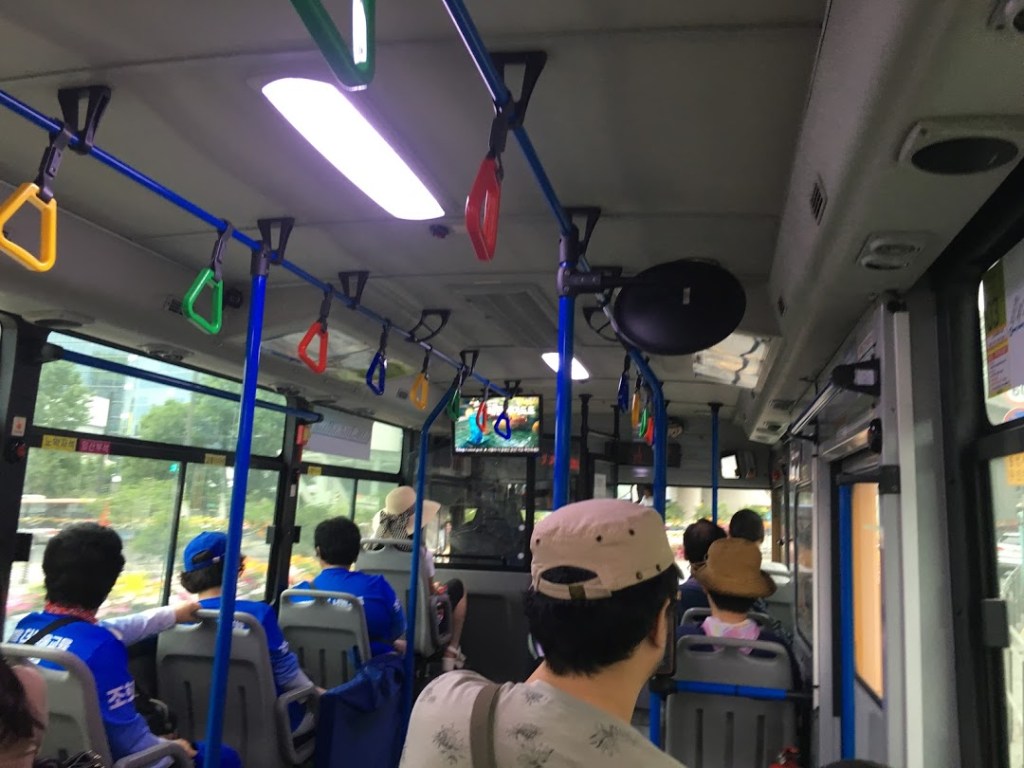
You can also ride a bus. Detailed charts are available at the bus stops, they provide information on the bus number, its route and arrival time. Buses arrive and leave on time so make sure to always have a watch!
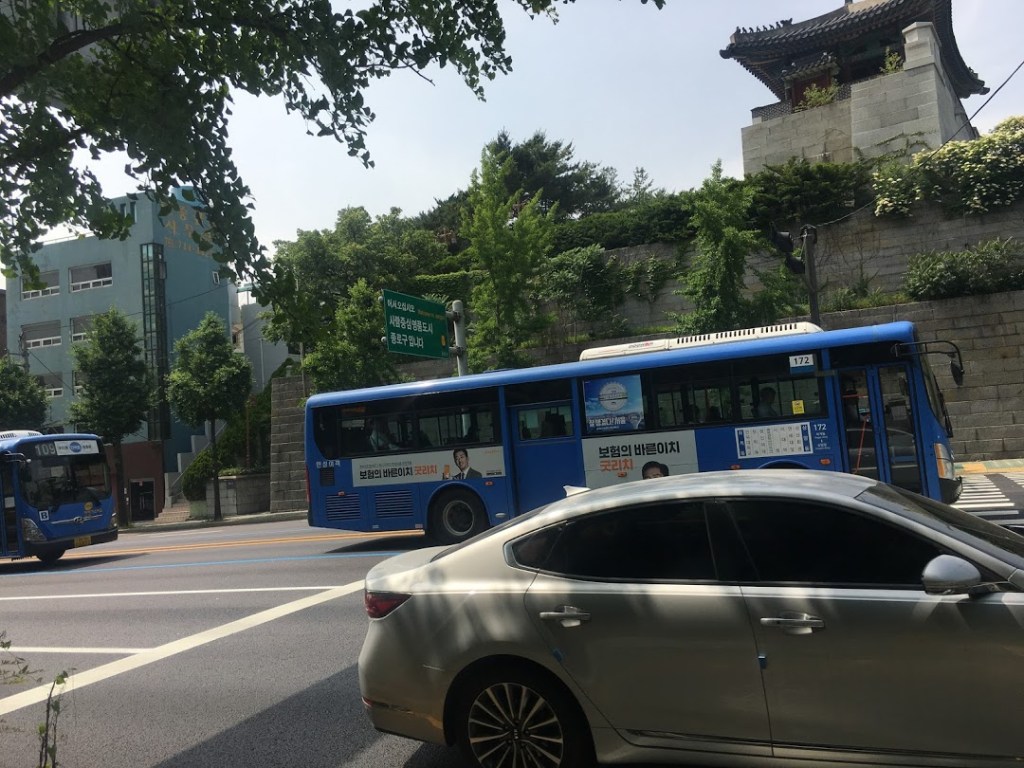

img_2507

20180610172023_img_2957

Buses have specific stop points. Unlike our jeepney rides where we say ‘para’ or ‘sa lugar lang’, their buses have stop button that will tell the driver to stop – just make sure you are in the right bus stop.
img_3868

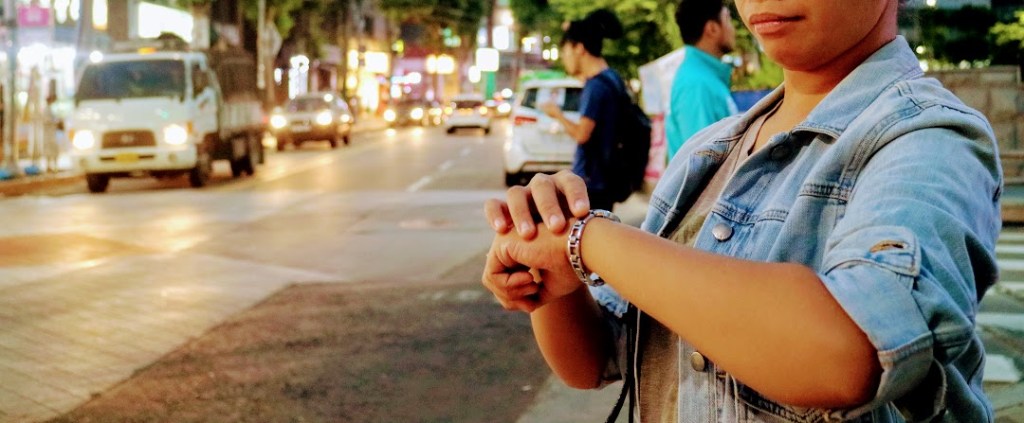
Monitor time. Public vehicles have their last trip and you don’t want to miss your ride home.
20180607191334_img_1390

We almost missed the last train ride going home and lost going to places and these things will consume large amount of your time so don’t make the same mistake and plan ahead!

4. Stroll around the city.

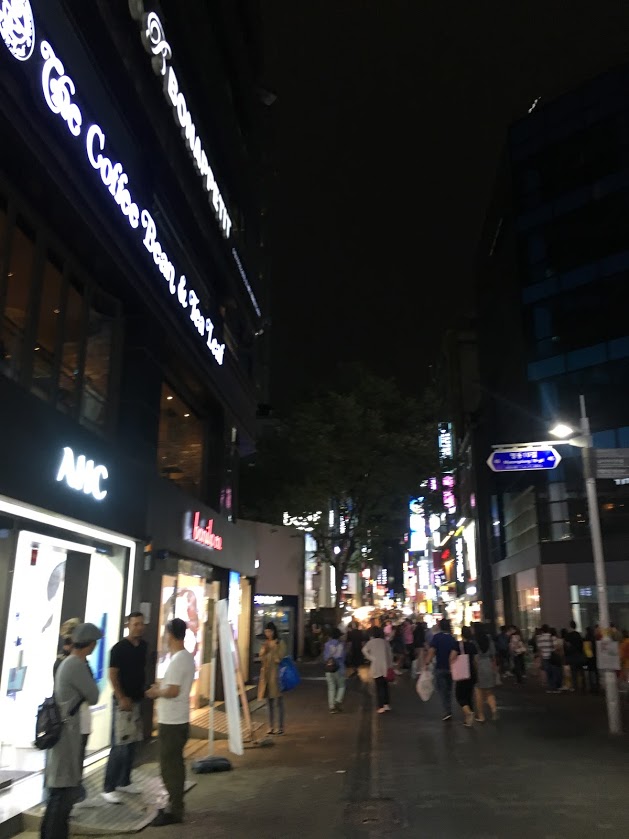
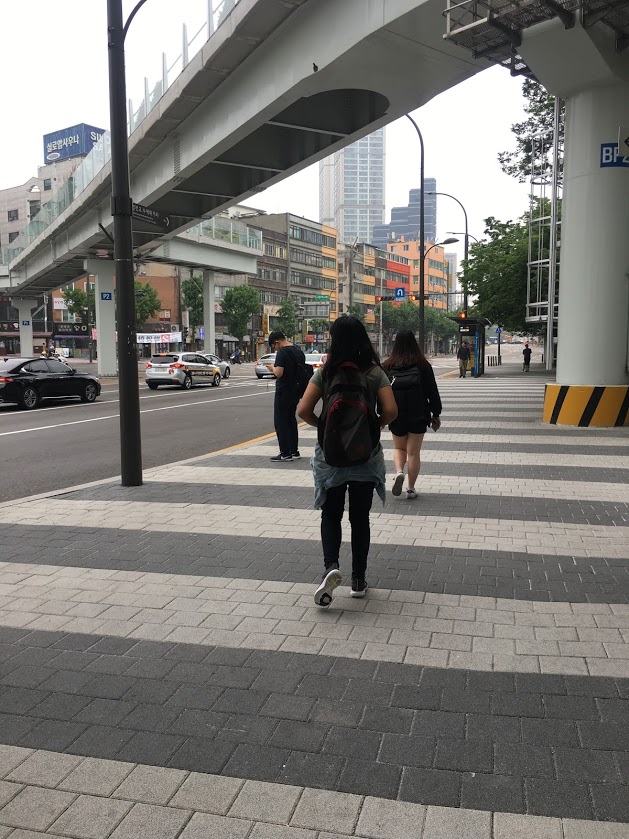
Seoul is a big and beautiful city. You can enjoy walking in the streets day and night without noticing how time flies. The weather is not too hot nor too cold (during our June trip) and just perfect for a good stroll.
IMG_2389

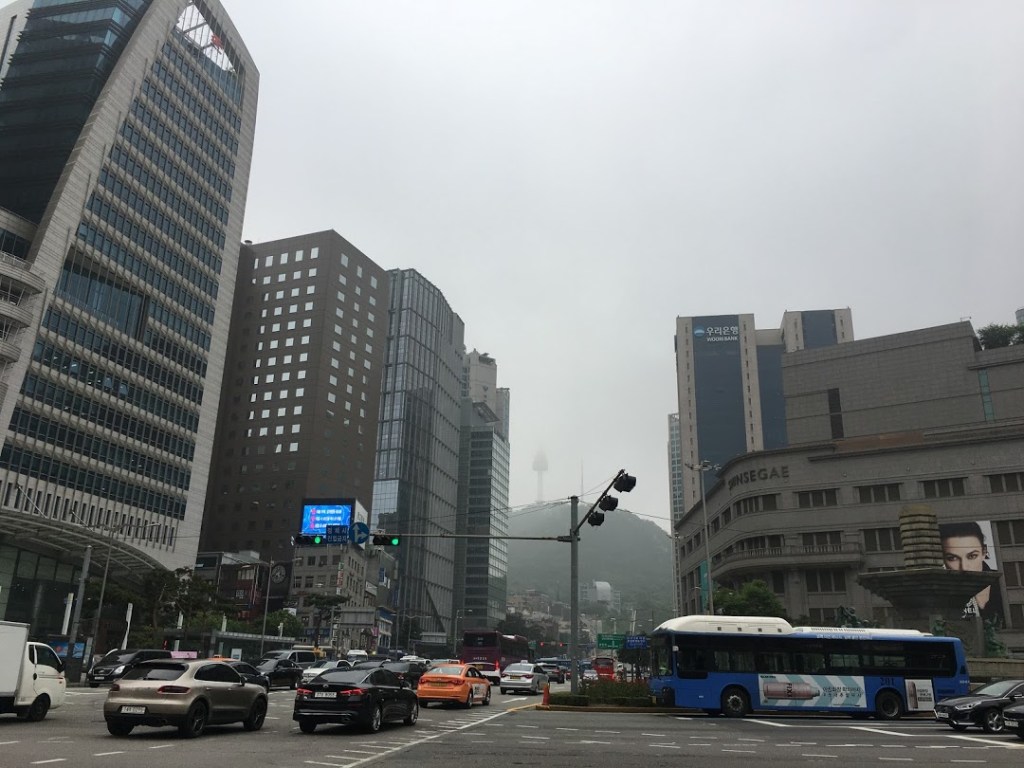
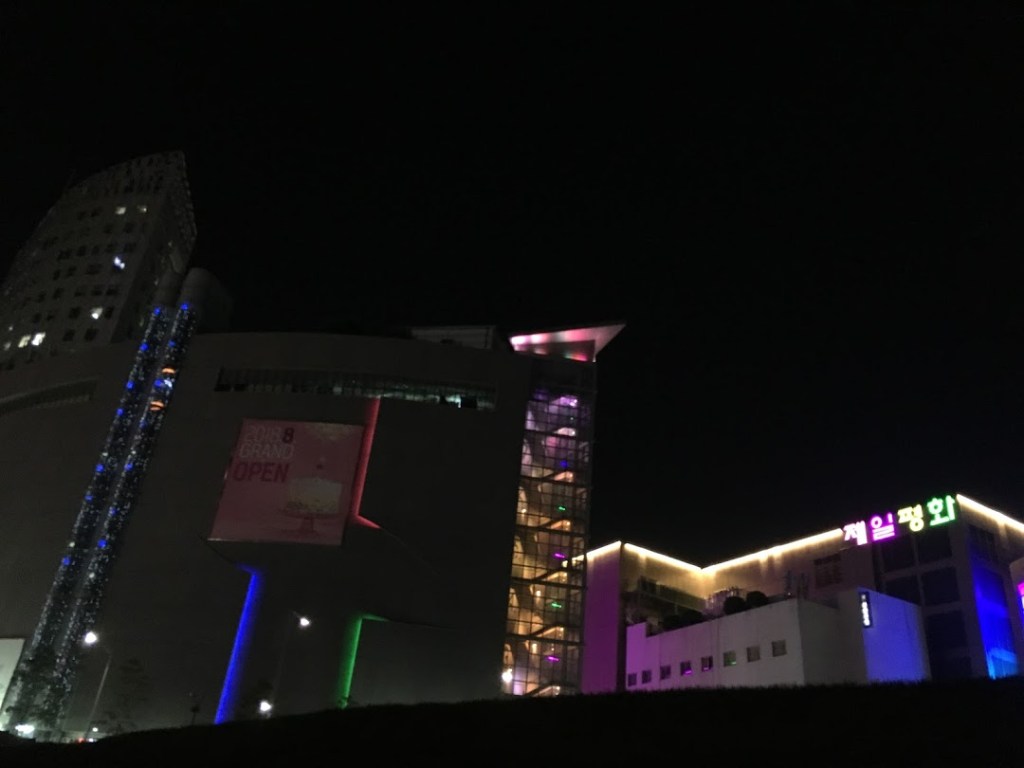
The streets are picture perfect, designed with different kind of people, busy traffics, buildings and establishments.
IMG_2411

IMG_3148

Just make sure to wear comfy shoes! 😉

5. Appreciate art.

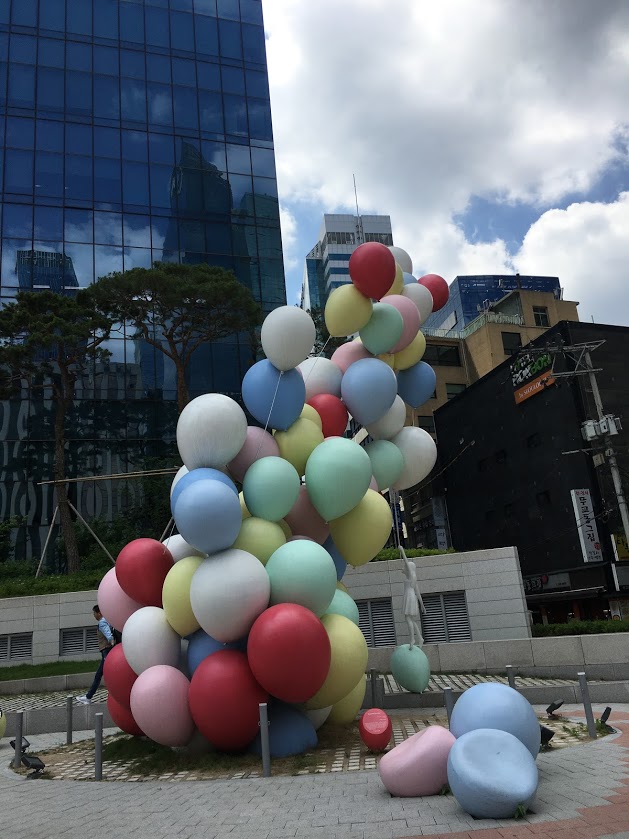
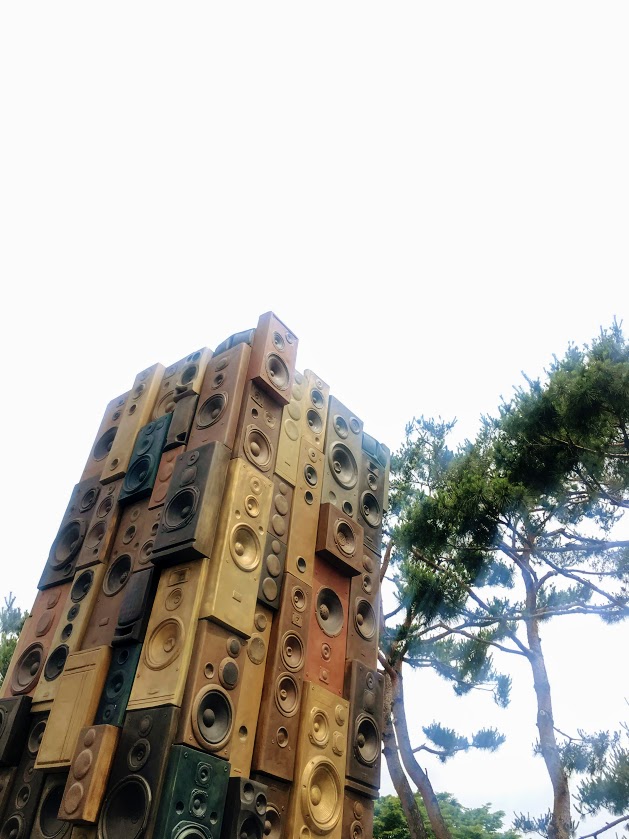
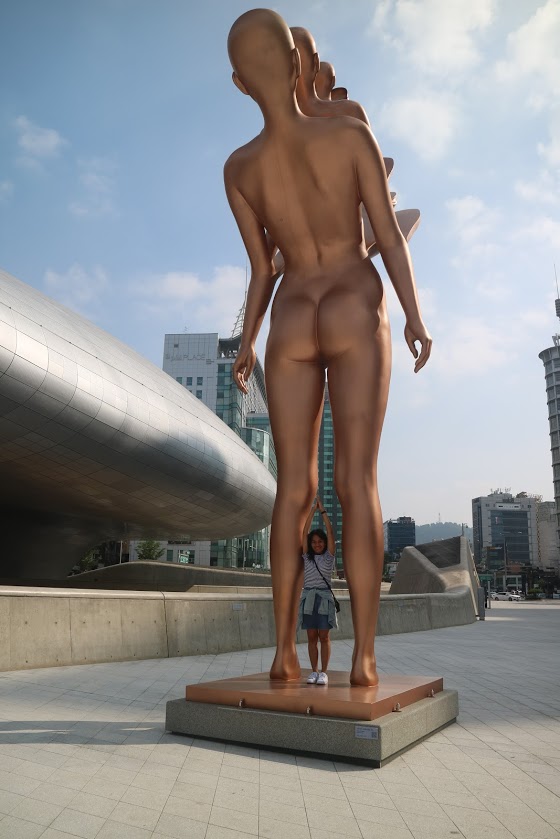
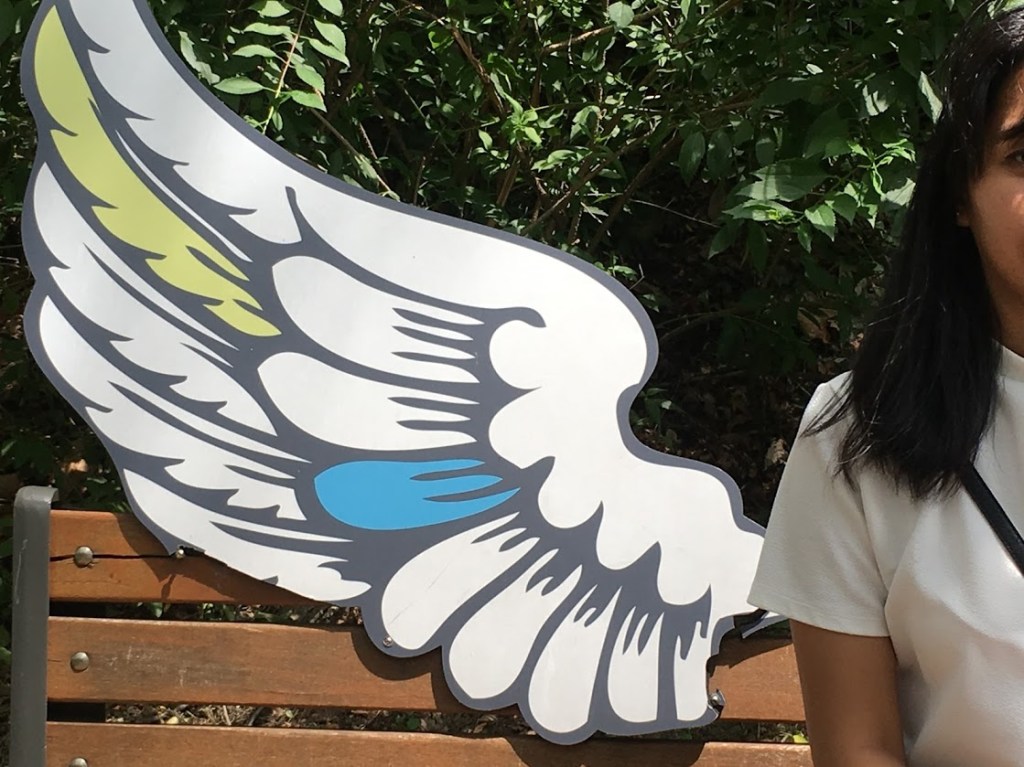
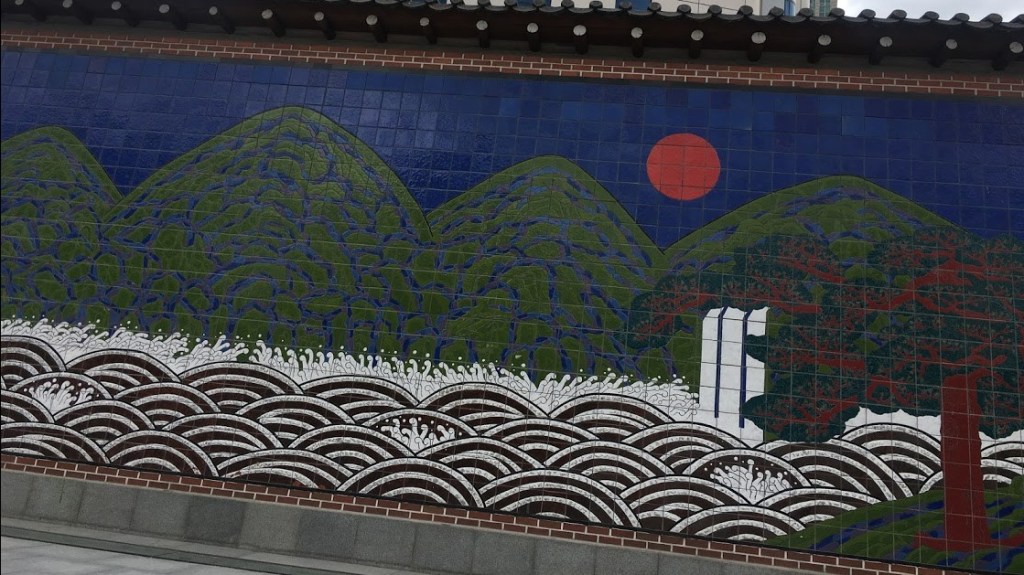
On your way to your destination expect art works everywhere. Some of them are just so random you’ll wonder what it is.
IMG_3599

IMG_4231

IMG_4432

IMG_3583

20180608152238_IMG_2023

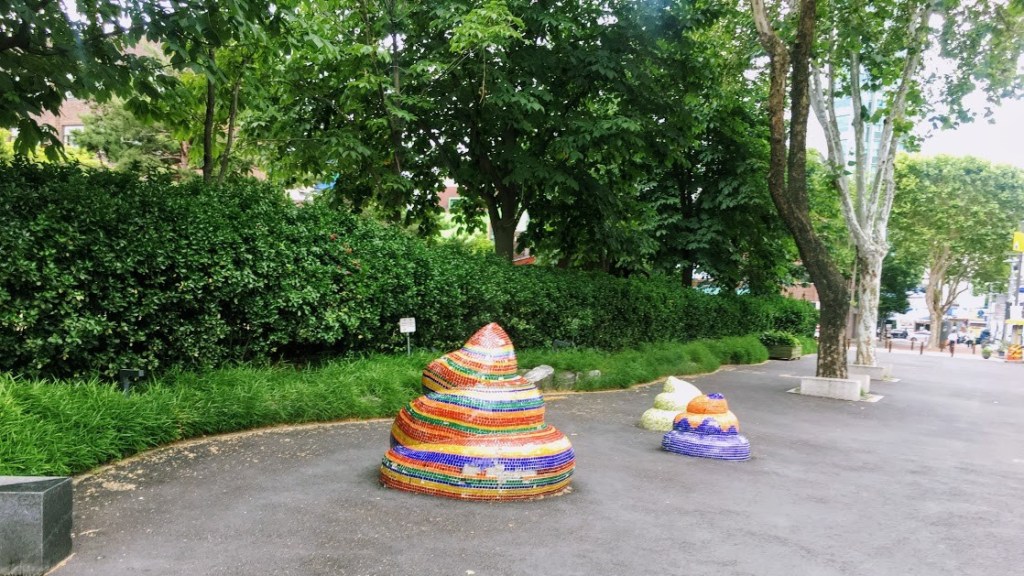
And sometimes, you’ll spot random (literally) colourful shits. LOL
IMG_4083

Prepare your inner artist self.

6. Take the perfect selfie and post it.

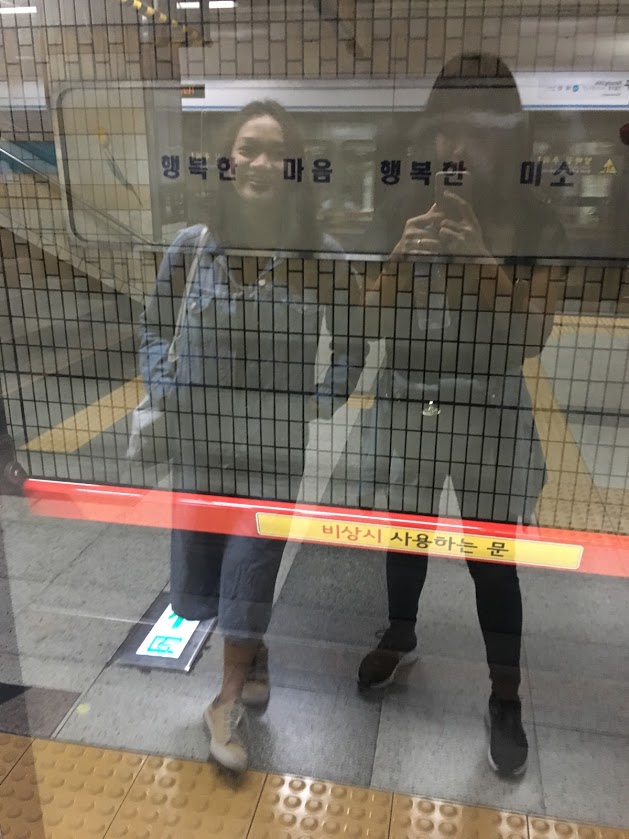
Enjoy the high-speed wifi connection every corner. Shoot your photo and post it immediately! They have free wifi in selected spots (like airport and train station) or you can avail SIM card that will provide you internet connection everywhere for a certain period of time depending on your plan of stay.
IMG_4367

Not our perfect mirror selfie – but hey free wifi at the train station while waiting make taking photos irresistible. 😀 (Tip: Bring extra batteries, power bank and memory card)

7. Have some coffee shop tour.

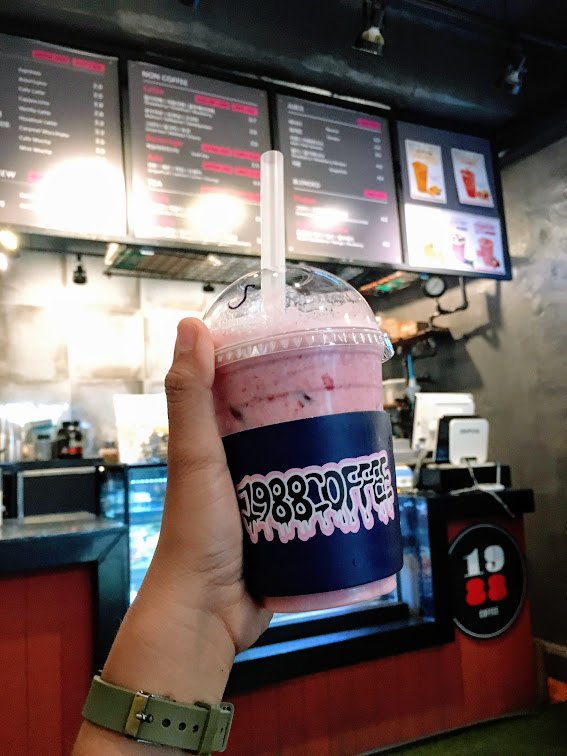
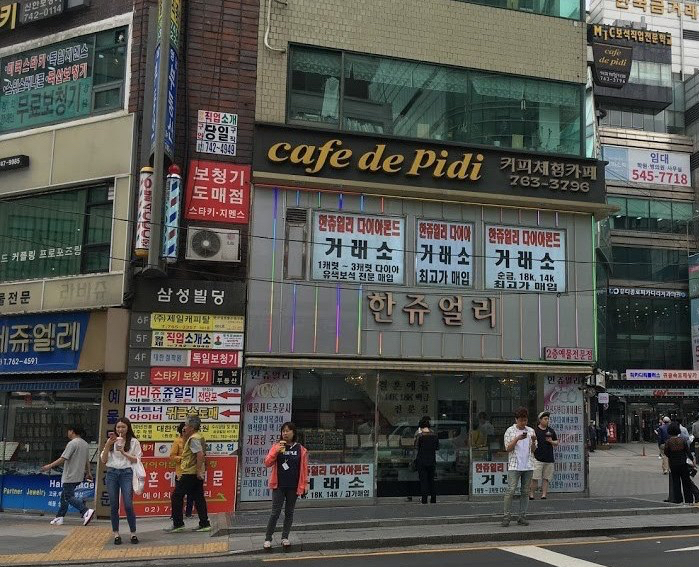
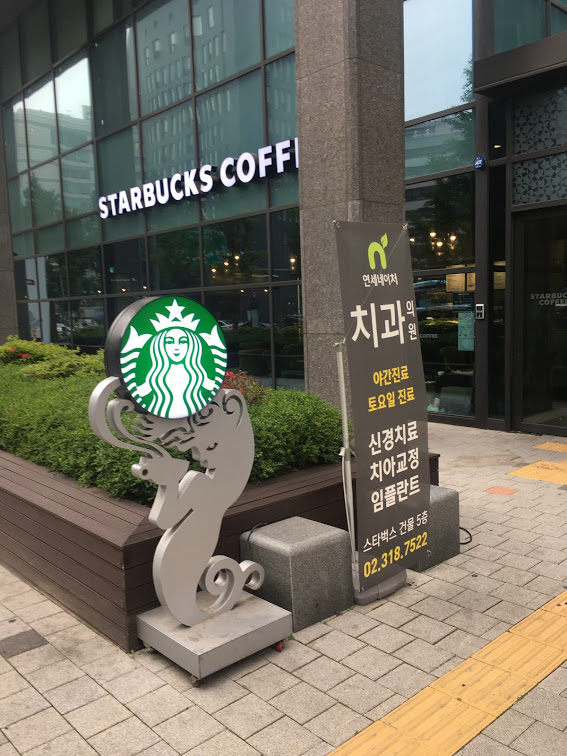
I was surprised to find so many coffee shops! Why? Because the coffee shops are literally a wall or a step from one another.
img_4216-e1555833135488.jpg

IMG_2406

IMG_4323

20180607071051_IMG_1299

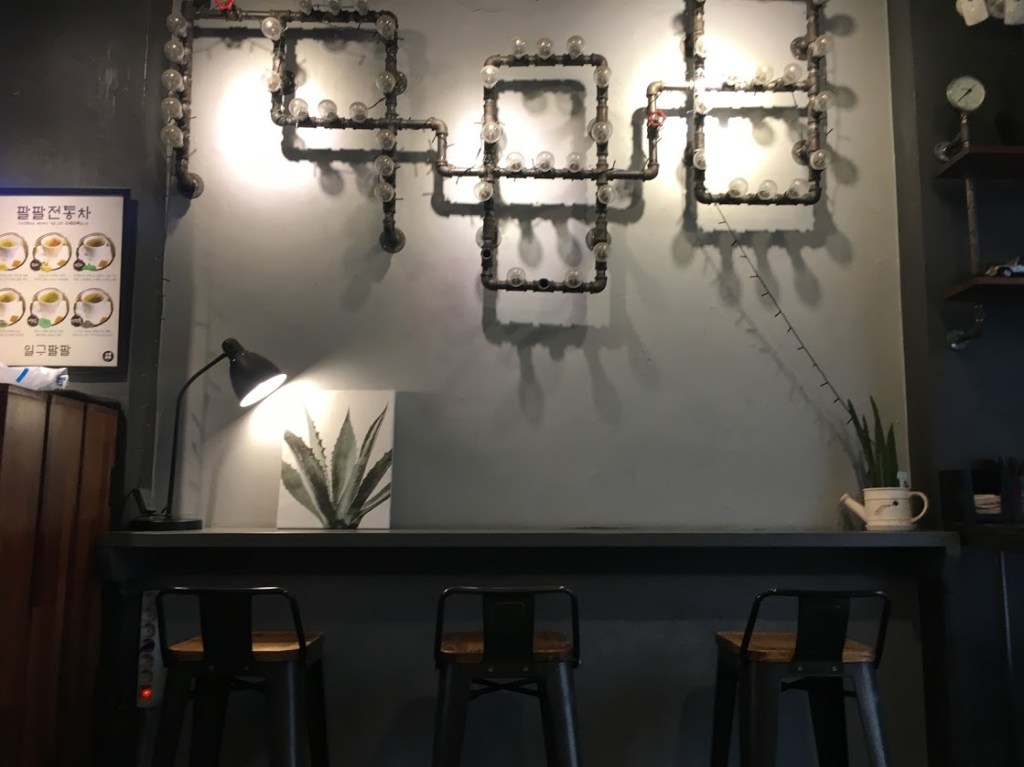
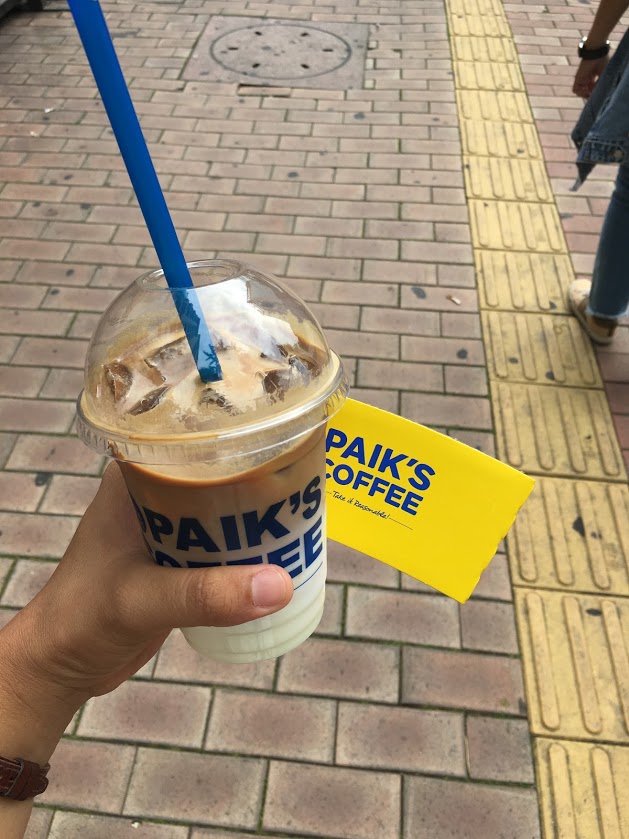
Different coffee shops offer unique interior design. They are in every corner and offer diverse selection of beverages and pastries – they have caffeinated and non-caffeinated drinks!
IMG_4261

IMG_3833

IMG_4270

Coffee lover or not will surely love these coffee houses.

8. Say a little (or even big) prayer at Myeongdong Cathedral.

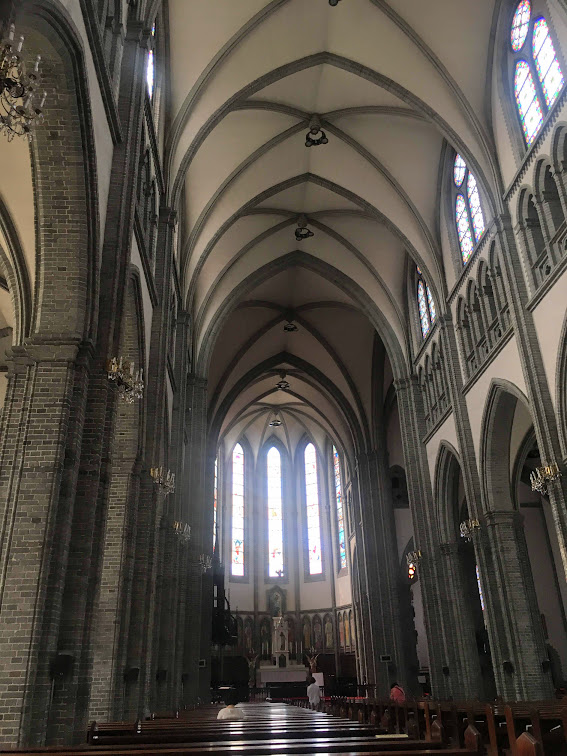
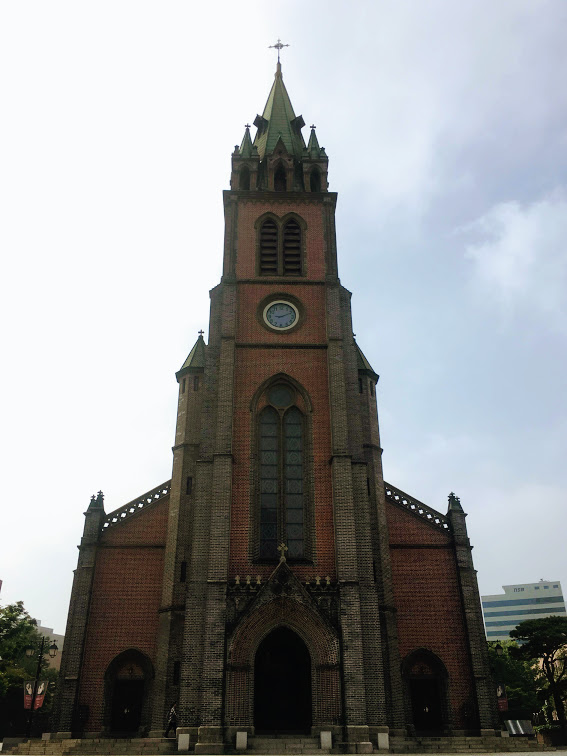
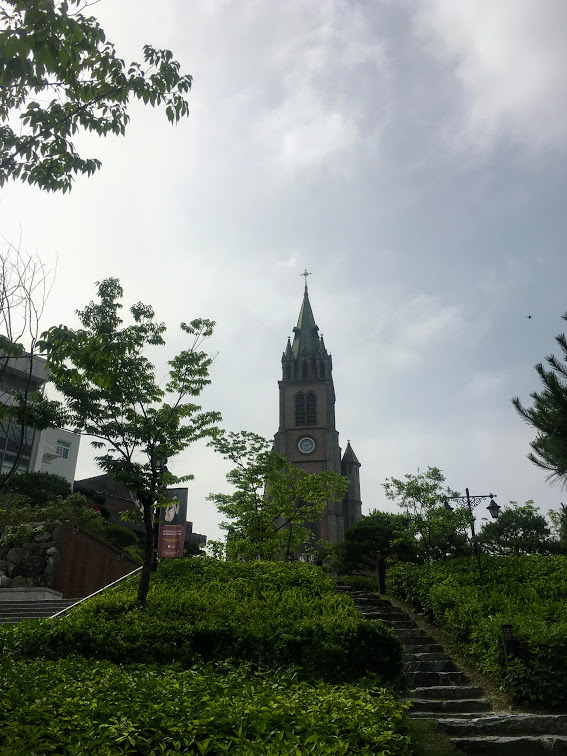
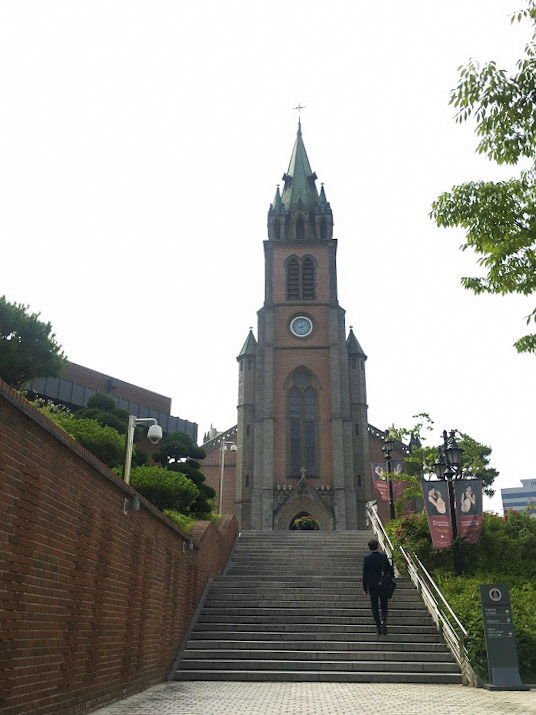
The Myeongdong Cathedral is the national cathedral of the Roman Catholic Archdiocese of Seoul. It is formally known as the Cathedral Church of Virgin Mary of the Immaculate Conception and located in the Myeongdong neighbourhood of Jung-gu, Seoul, South Korea.
IMG_2437

4f42863a7ac950235149b406c5344f50

IMG_2444

IMG_2442

You can go inside and say a little prayer. If you’re not a believer, then you can go straight to taking pictures.

9. Forget your diet and have a taste of Korea.

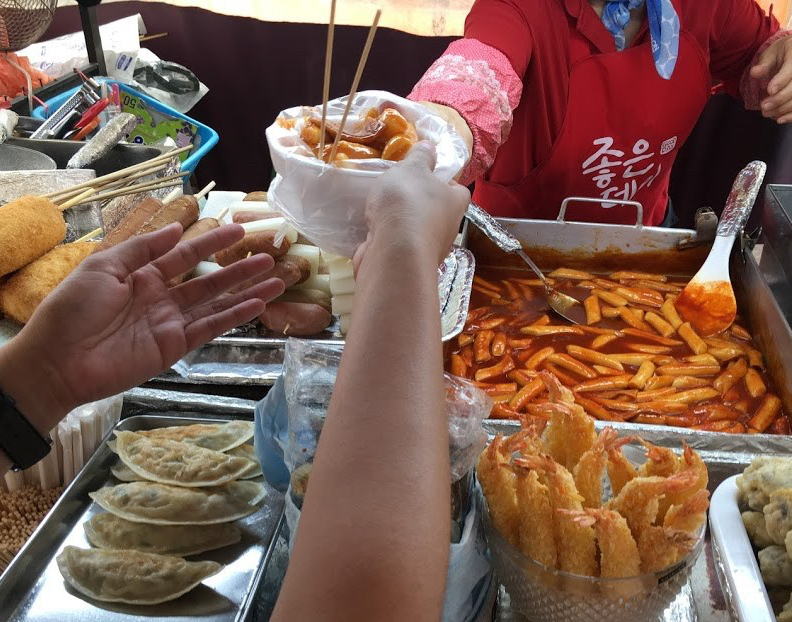
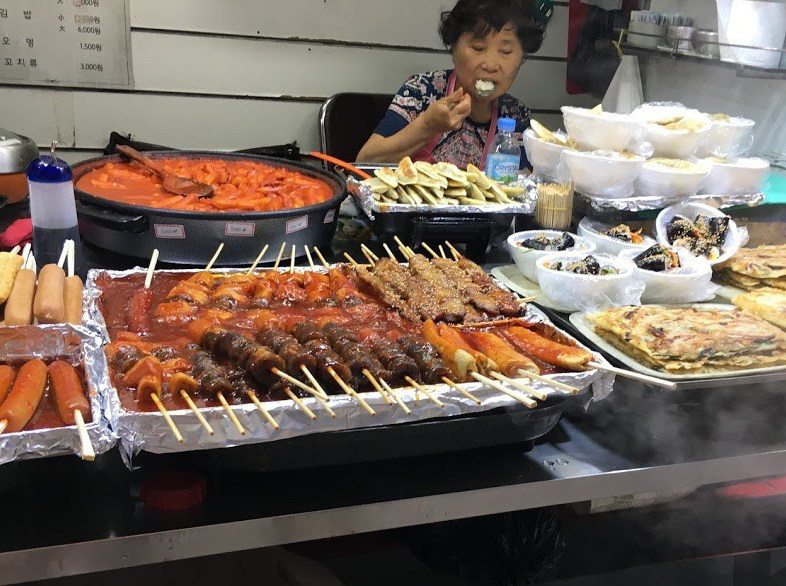
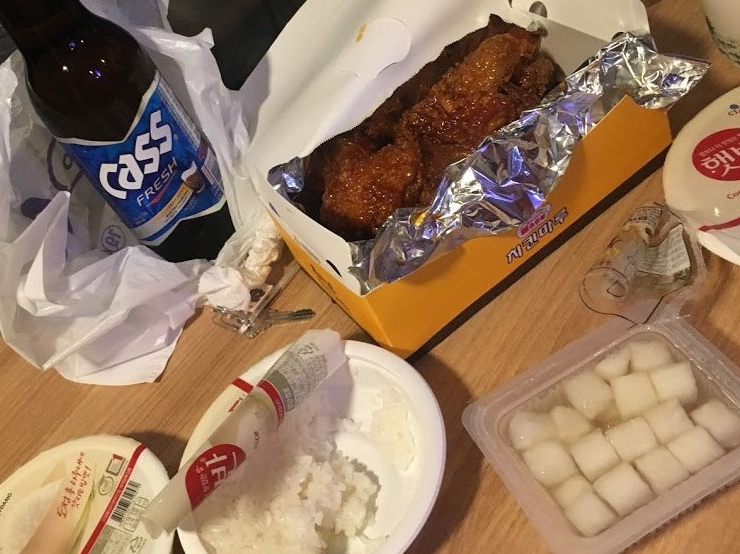
Morning and night markets offer food of all sorts – from appetizers, full meals to desserts. Have a palate of a Korean through their special delicacies. Brace yourself because this will be long. Also, prepare your budget. LOL.

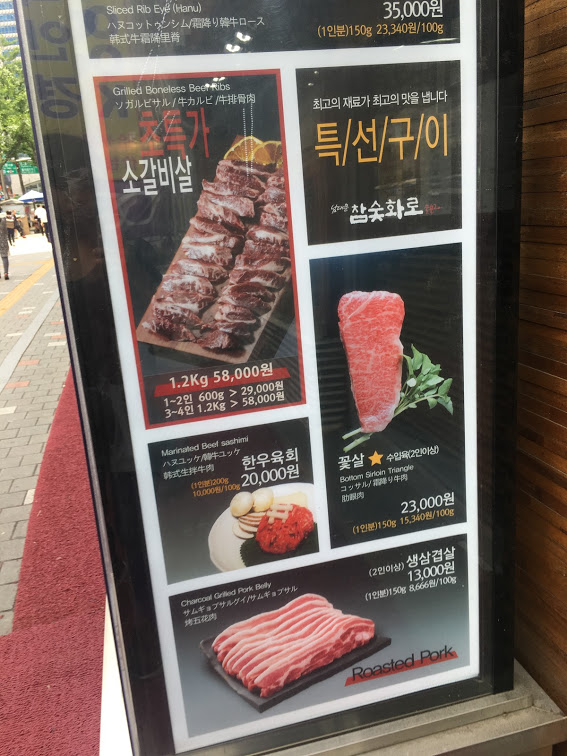
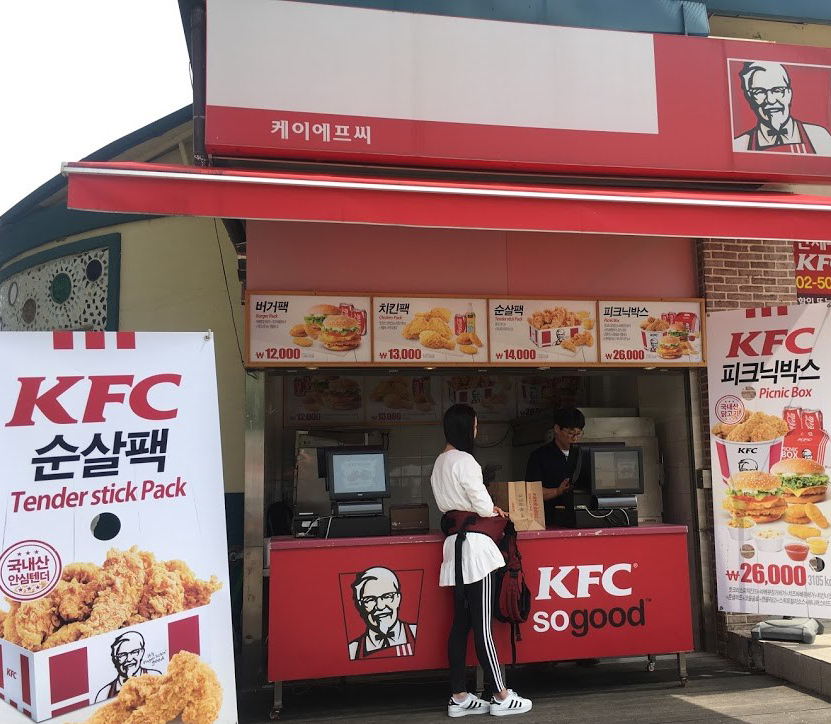
First stop – samgyeupsal and fried chicken! Because those are what we always see in Koreanovelas. 😛

IMG_2514

img_3573-e1555834464900.jpg

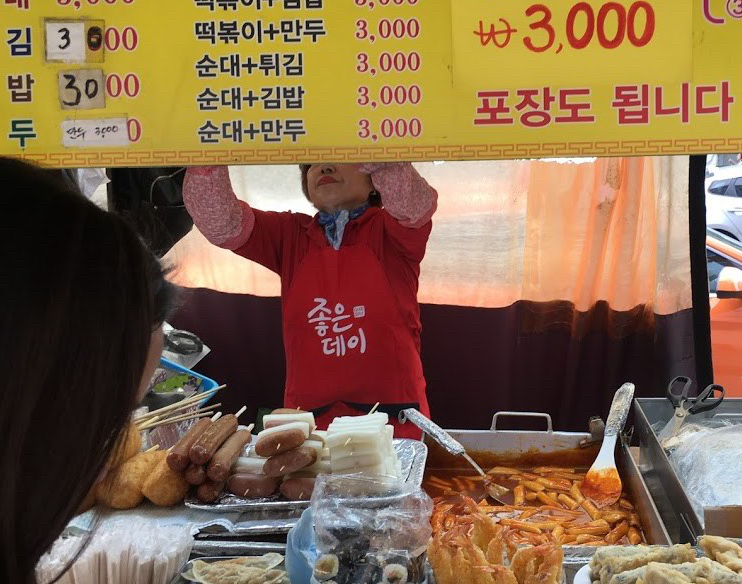
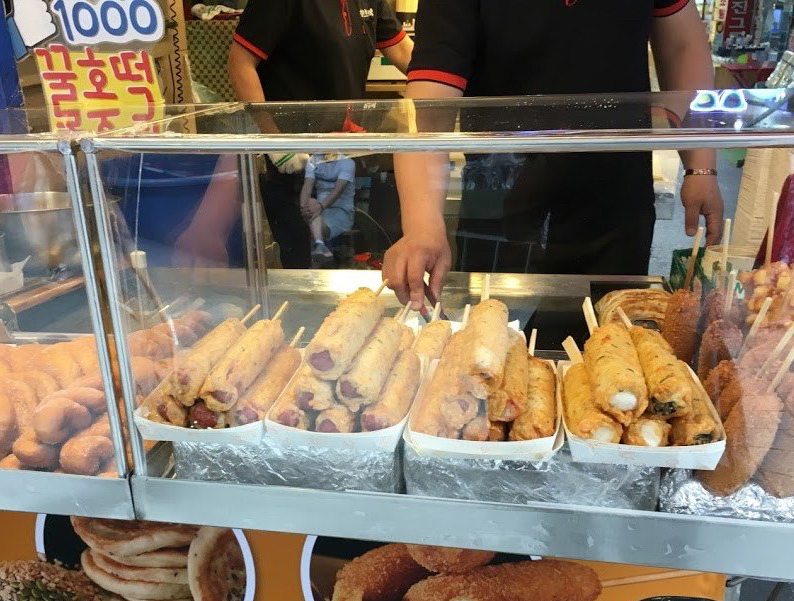
Streets are haven for one of a kind Korean food. The food preparation seemed very sanitary. One thing I loved in their street foods was that each stall has tissue if you’re kinda messy.
img_4250-1-e1555834722786.jpg

img_4388-1-e1555834812171.jpg

img_4249-1-e1555834889375.jpg

img_4296-1-e1555834953649.jpg

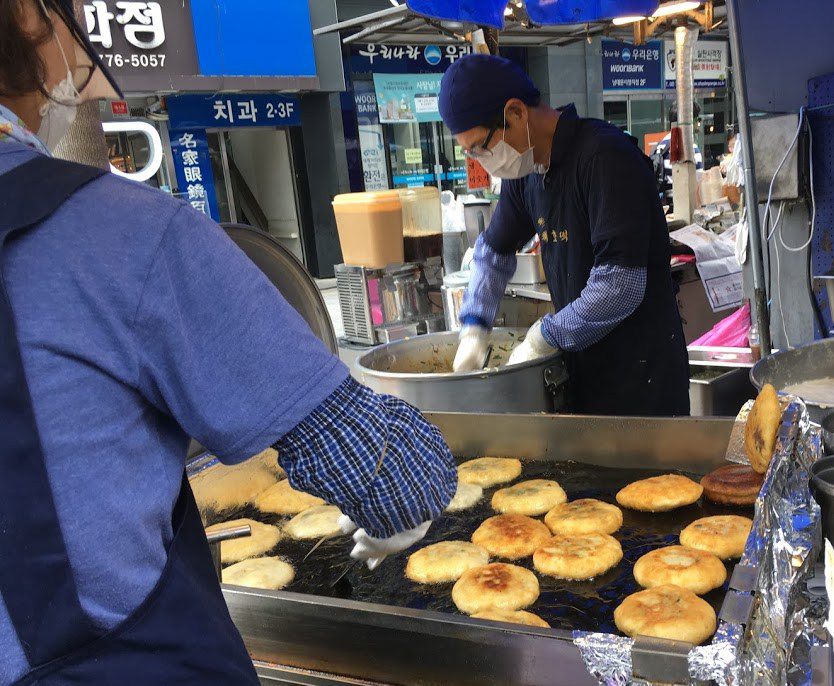
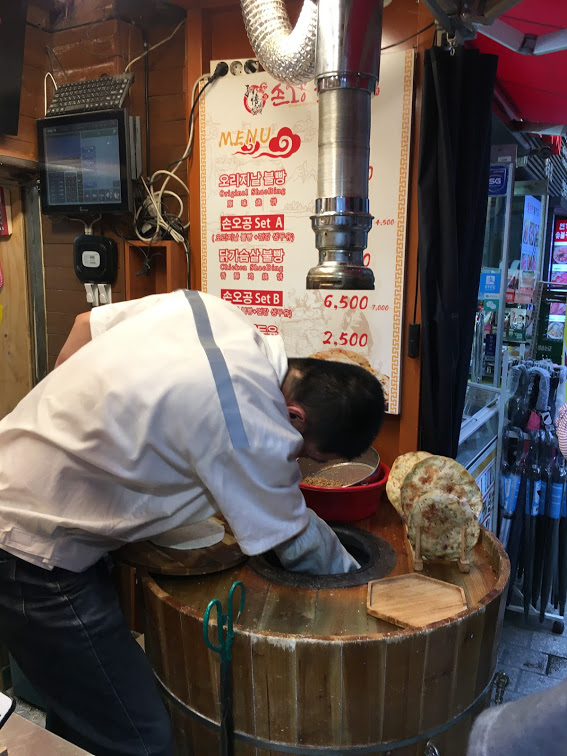
Be observant. Check out for stalls with long lines, they surely promise a taste you won’t forget.
img_4400.jpg

IMG_4286

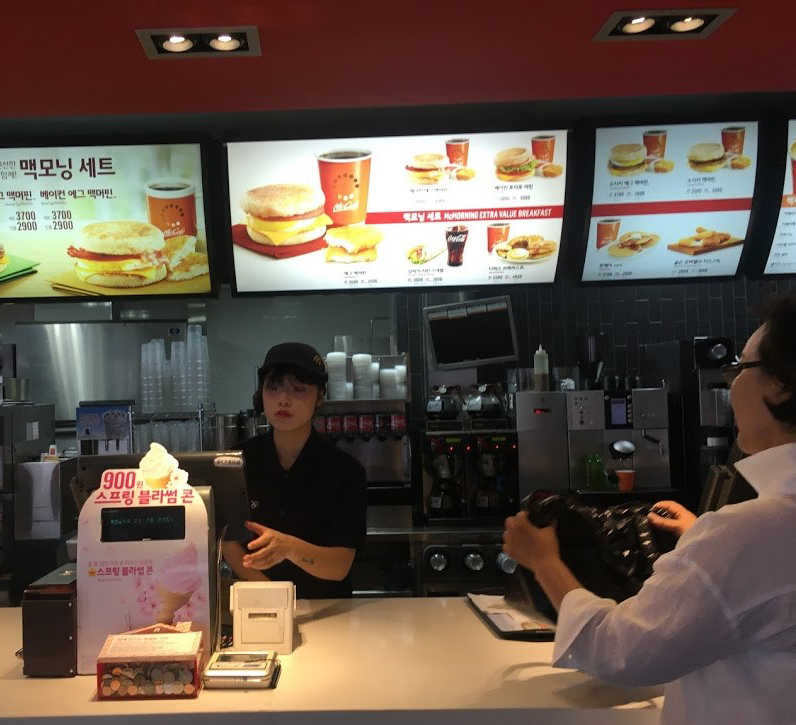
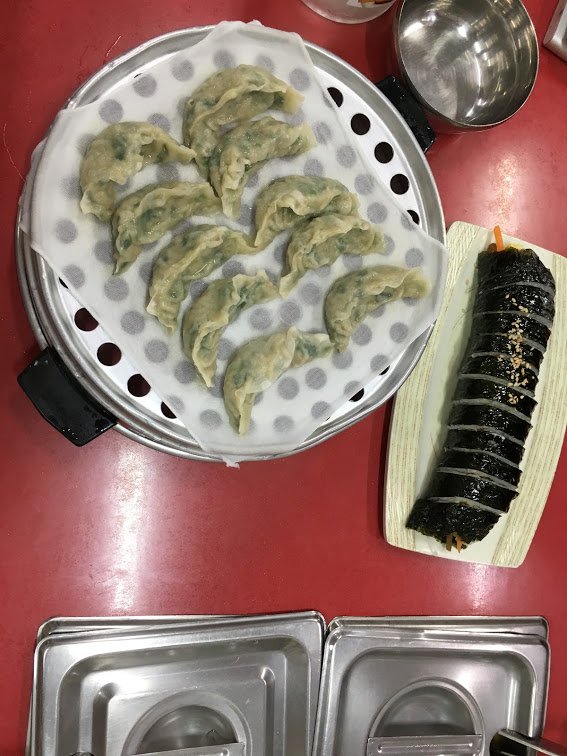
As you enjoy wandering around, you will forget about time but your stomach will be your constant alarm clock. Almost every corner has restos and fast foods you might want to try. Most restos we tried offer unlimited side dish (e.g. kimchi, onion).
IMG_3828

IMG_3588

IMG_4409

img_2424.jpg

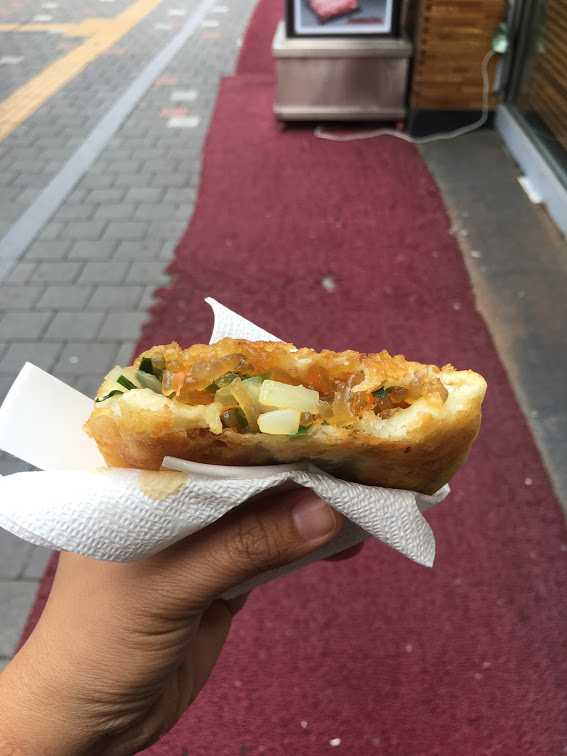
If enjoying your meal is not your top priority, you can just grab a quick snack!
IMG_4408

img_4253-e1555835169363.jpg

img_4251.jpg

IMG_4247

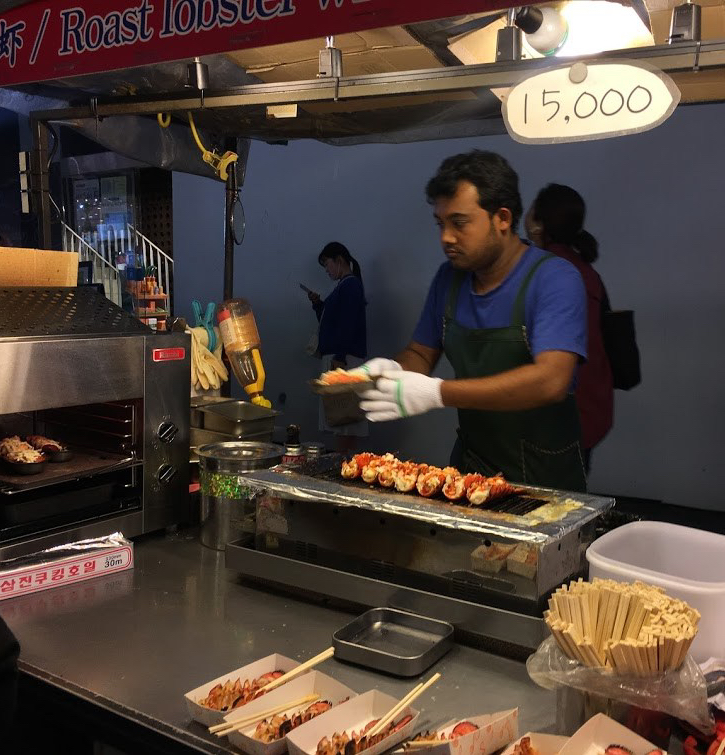
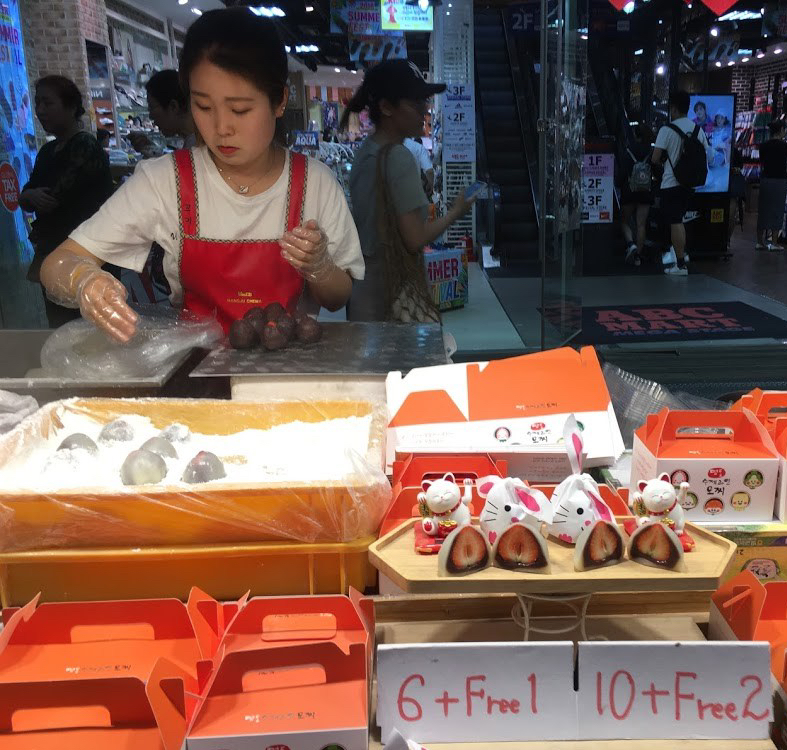
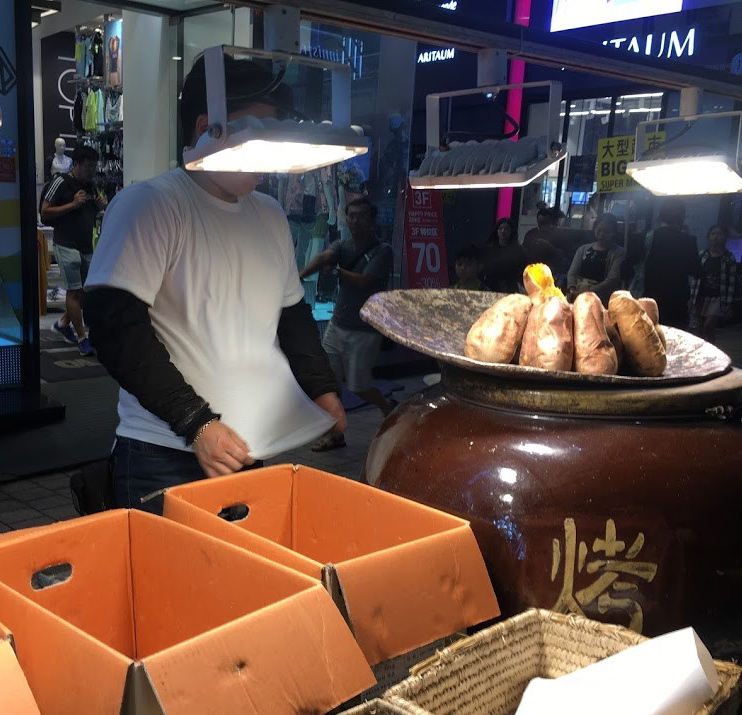
Myeongdong offers mouthwatering dishes day and night. Their night market is the best though because several food stalls appear during the night – from barbecues to lobsters!
img_4318.jpg

img_4316.jpg

IMG_4312

img_4307.jpg

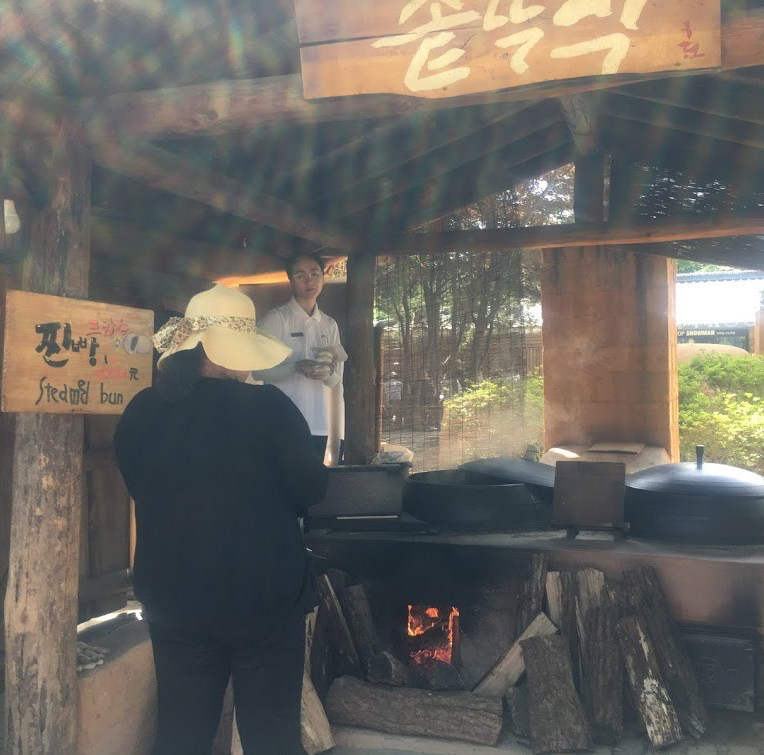
Try some steamed bun at Nami Island!
IMG_3255

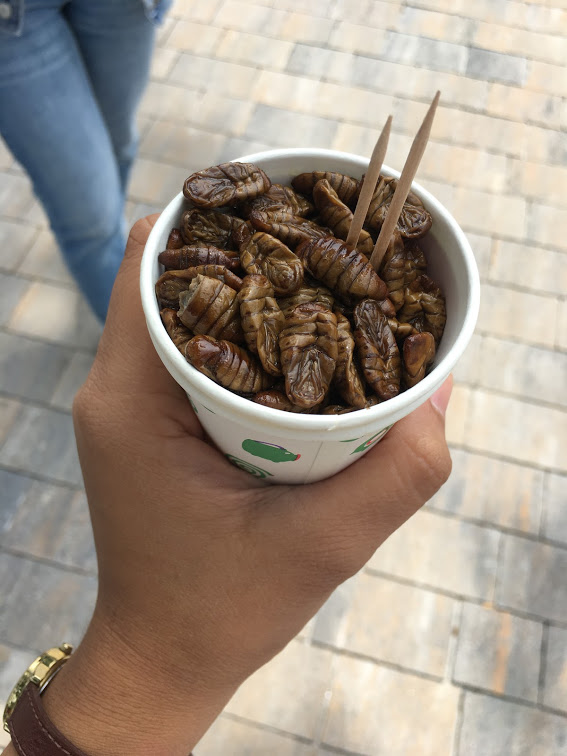
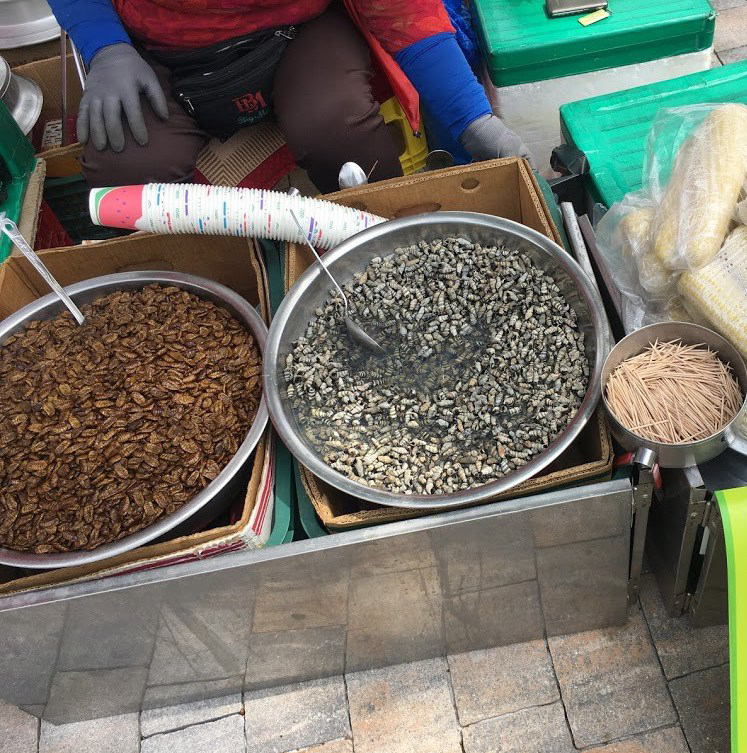
If you’re feeling a little adventurous, get a lot of protein from steamed silk worms. 😛 They also have boiled small shells (I was not able to try).
IMG_3590

img_3589-e1549804891635.jpg

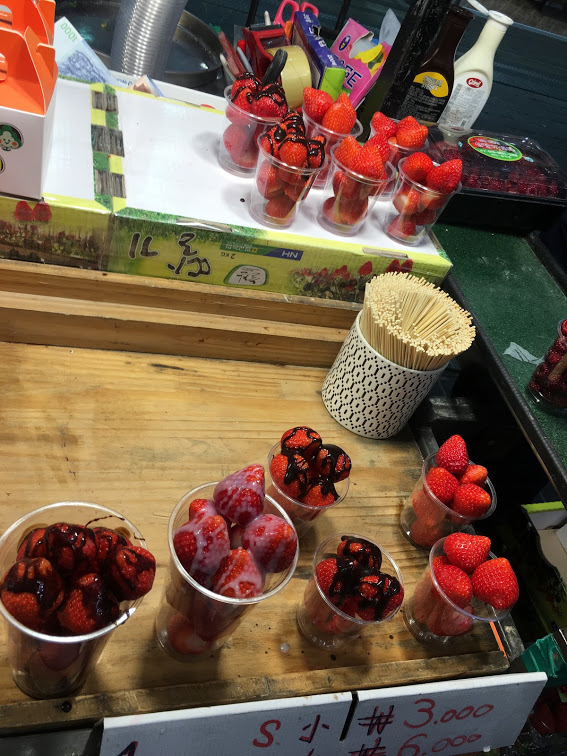
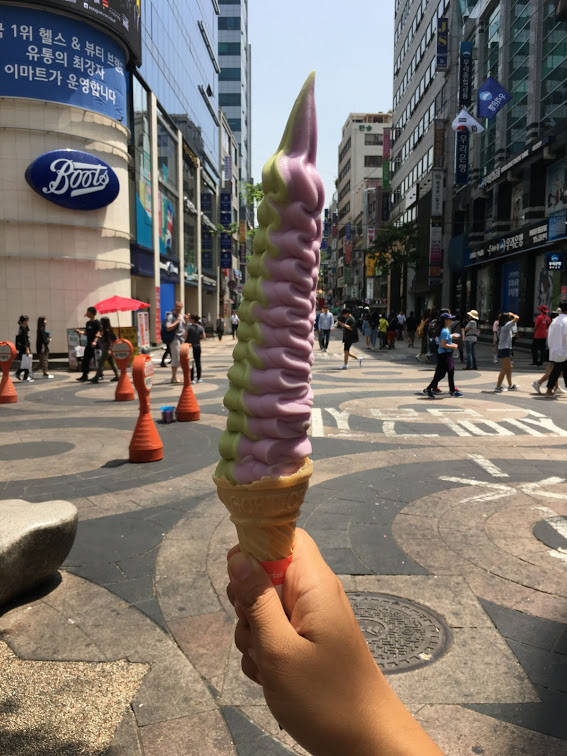
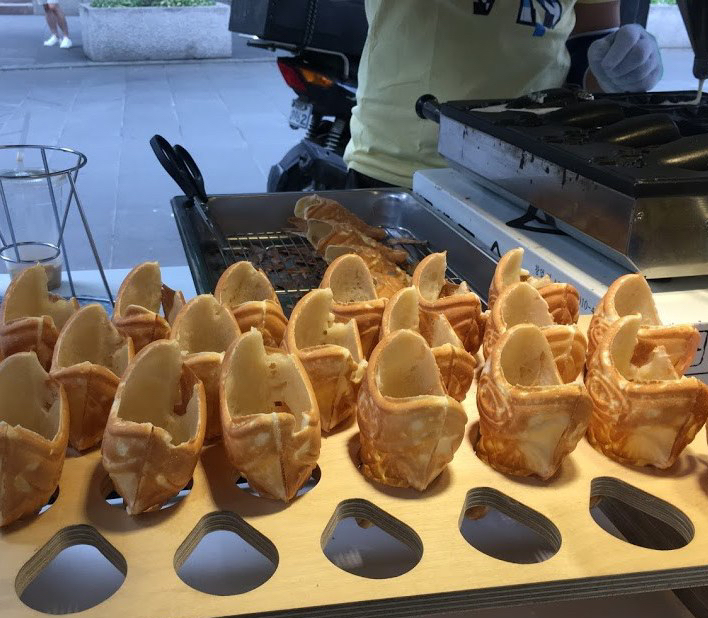
Don’t forget the desserts! Summer will be the best time to try these sweets (though ice cream melts pretty fast).
img_4245-e1555835461293.jpg

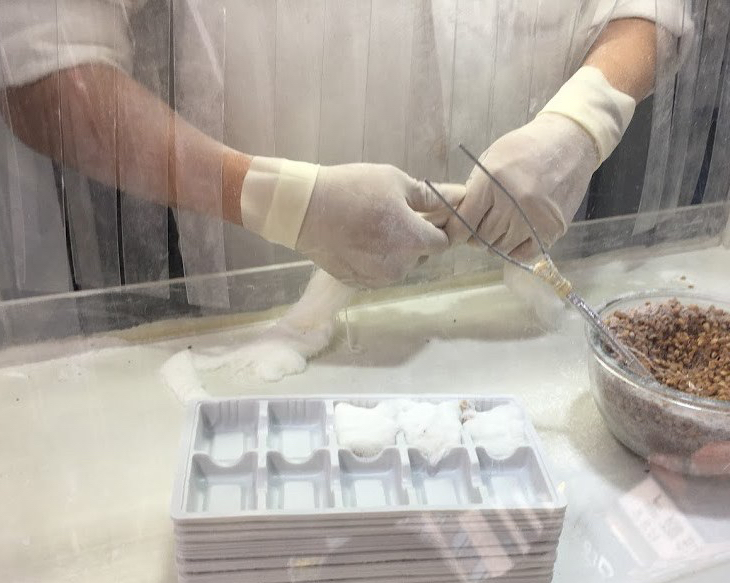
Try their traditional cotton candy (above photo).
img_4239-e1555835495396.jpg

IMG_4319

IMG_2473

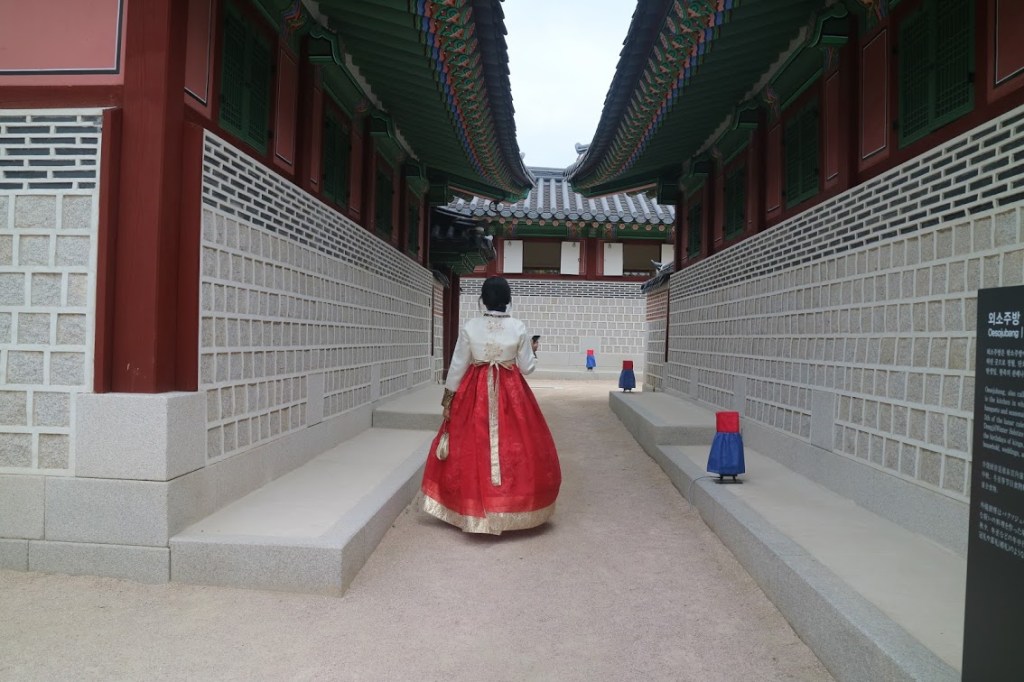
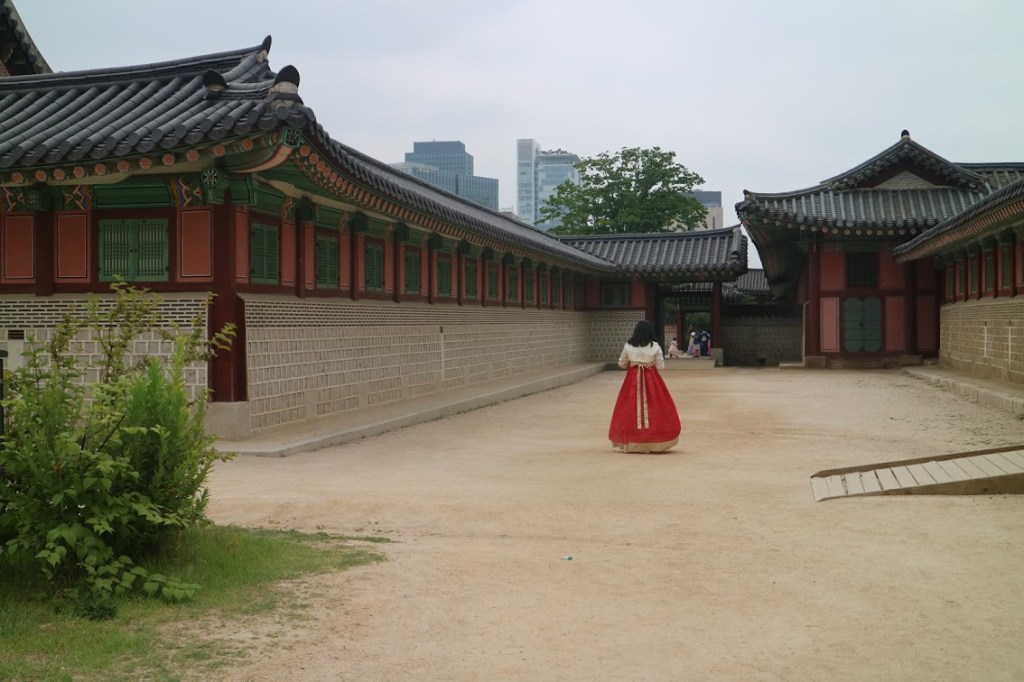
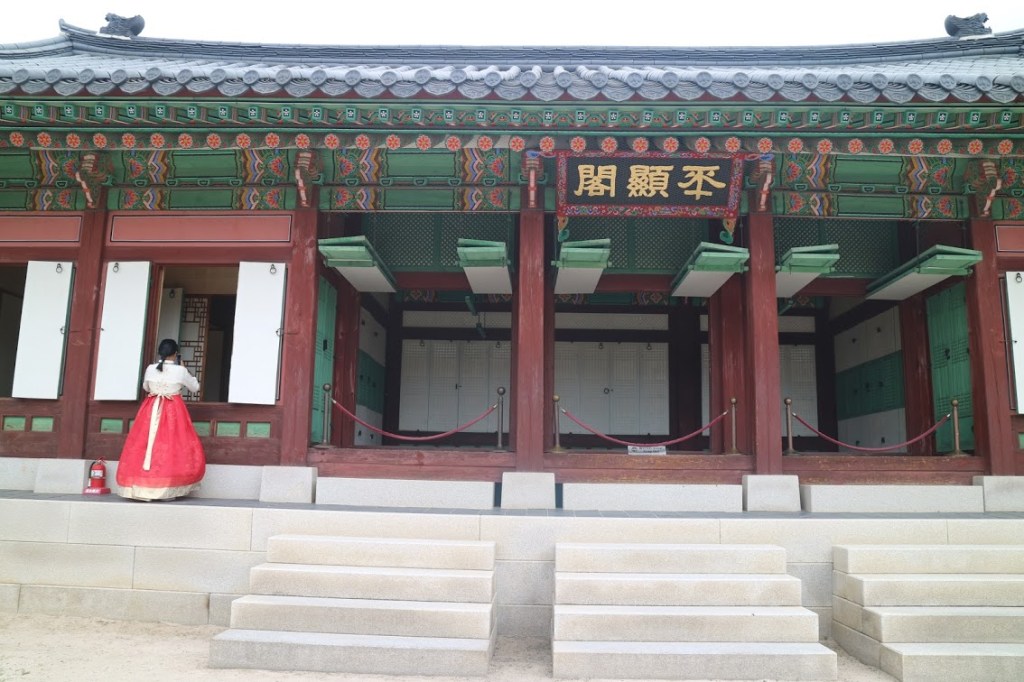
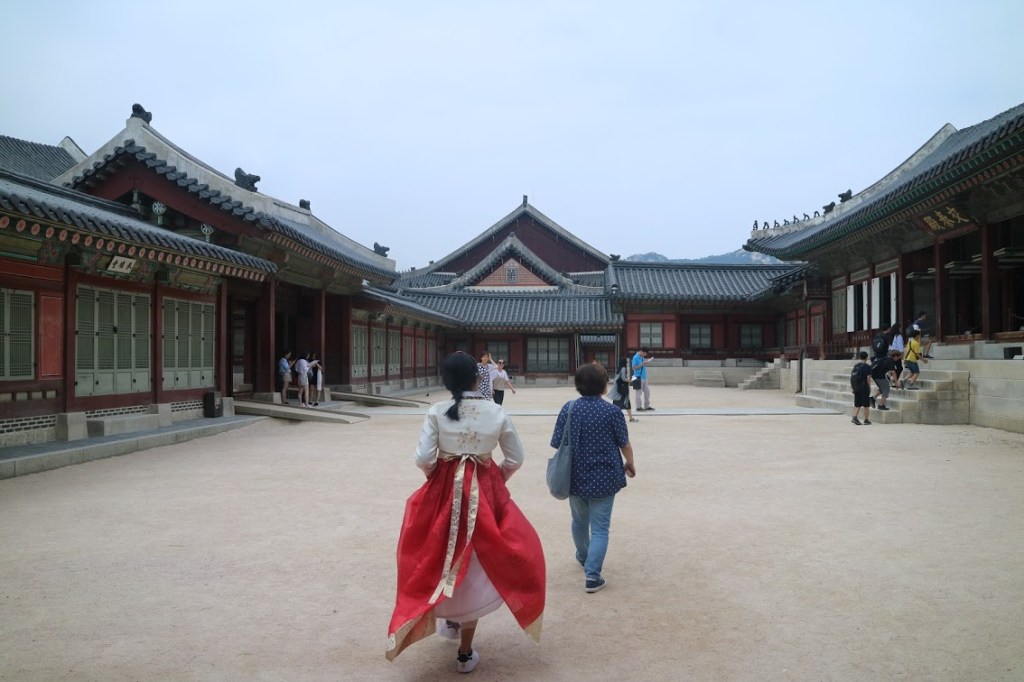
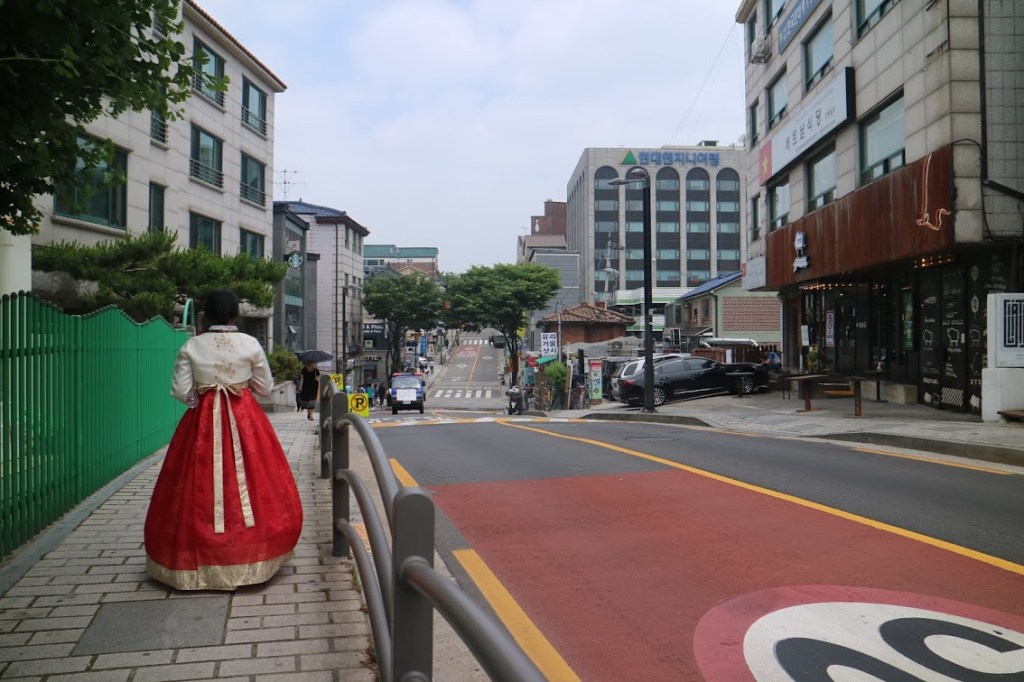
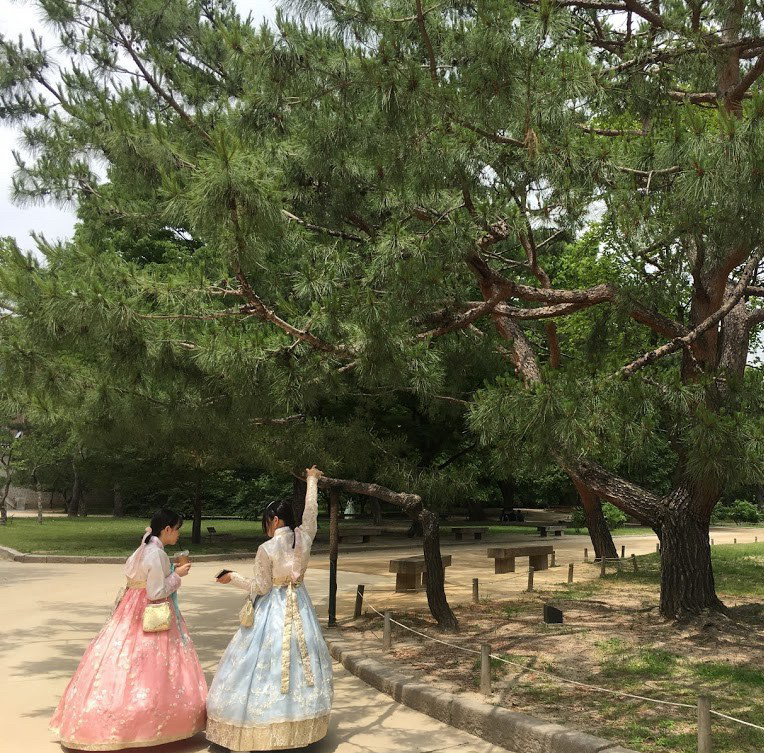
10. Wear hanbok all day and time travel through old palaces

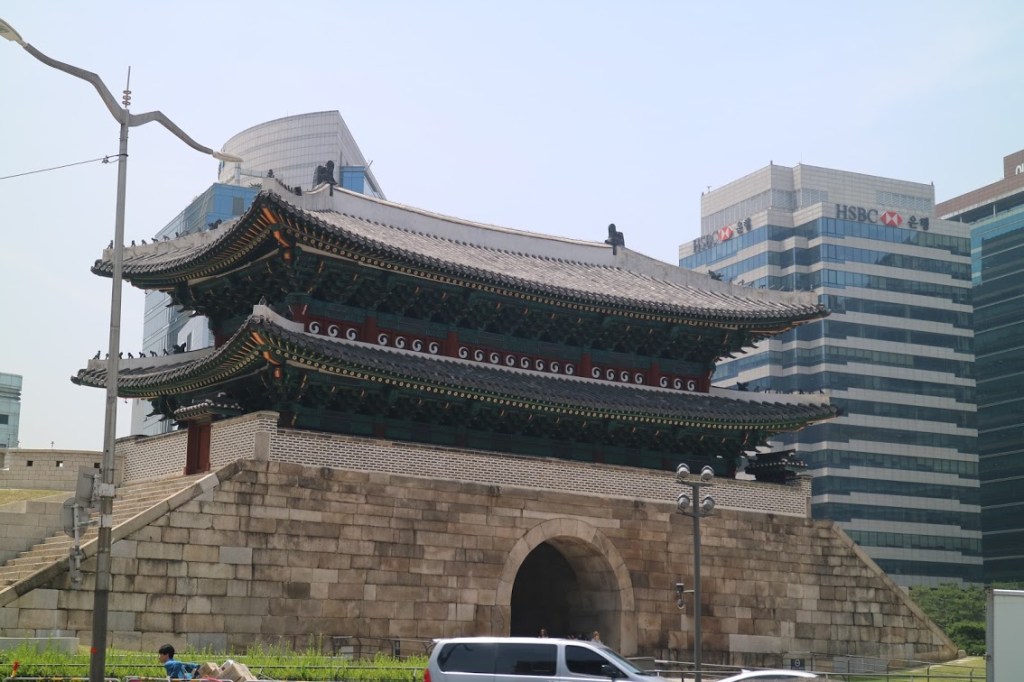
Have you seen the Koreanovela Jewel in the Palace? It is a film based on a true story about Jang-Geum (a legendary girl) who became the first woman to be the supreme royal physician of her times. The time setting was about 500 years ago and featured old palaces.
20180607115402_IMG_1371

IMG_2622

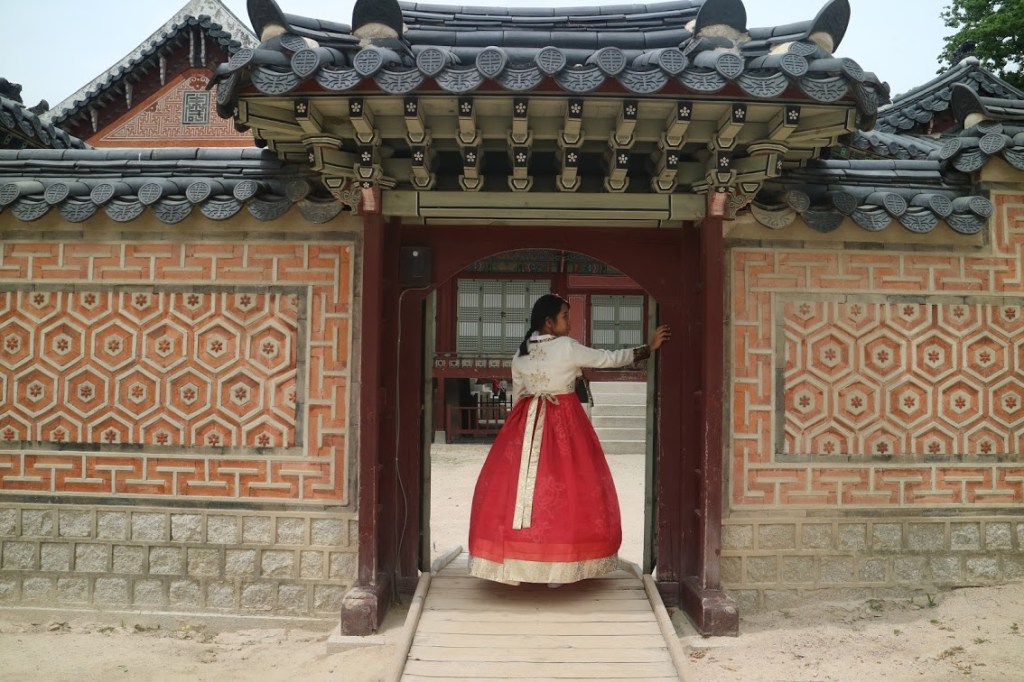
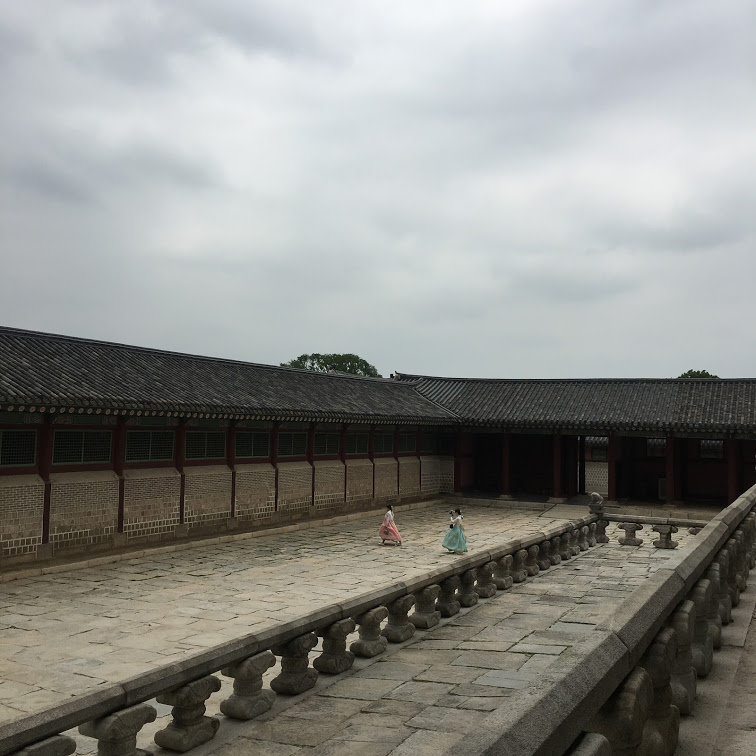
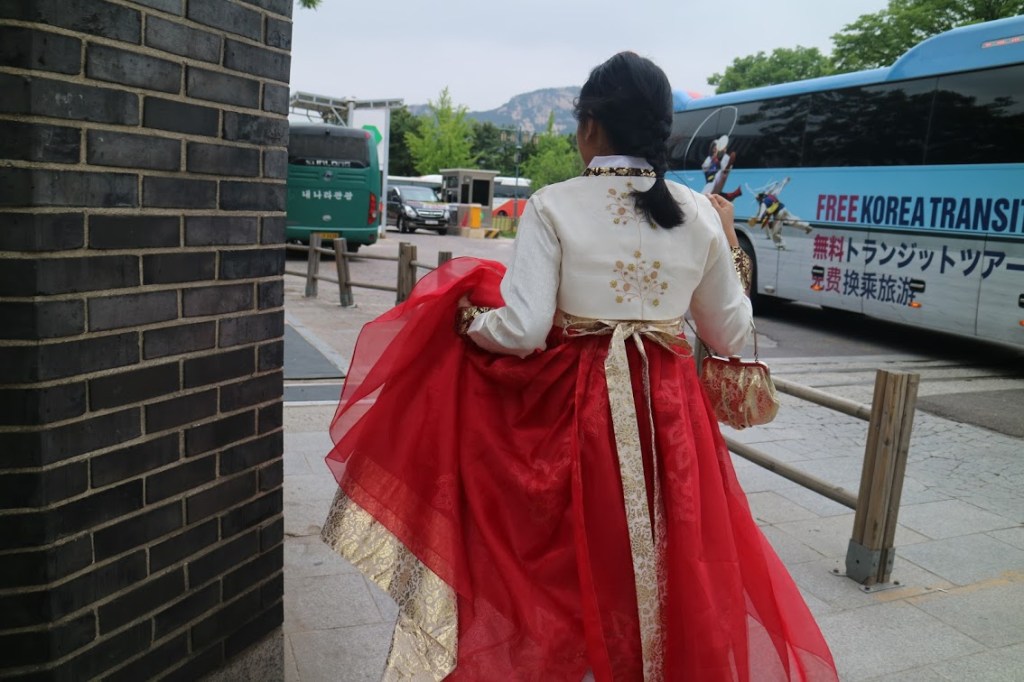
There are several palaces to choose from. We opted to go to Gyeongbokgung and Changdeukgung Palaces. Wear a hanbok (a traditional Korean dress for semi-formal or formal attire during traditional occasions) and get free pass to these palaces. Summer heat will make you sweat wearing these. Make sure to check the weather and temperature on your visit.

20180608092429_IMG_1490

They have hanbok for men and women!

 Stroll around and be a time traveller for a day. Witness the one of a kind architecture of Korea’s old palaces.
img_2750-e1555835569580.jpg

20180608104548_IMG_1799

20180608103848_IMG_1775

20180608102639_IMG_1722

20180608103206_IMG_1749

20180608103528_IMG_1757

20180608104733_IMG_1808Gyeongbokgung and Changdeukgung Palaces are just a few kilometres from each other. Make sure to check your map – look for entry points of each palaces so you don’t have to walk extra miles and get lost going from one palace to another – it will be a waste of time.
20180608092800_IMG_1493

20180608123605_IMG_1952

Walking on the streets wearing hanbok is a pretty normal thing near the palace. You’ll burn a lot of calories!

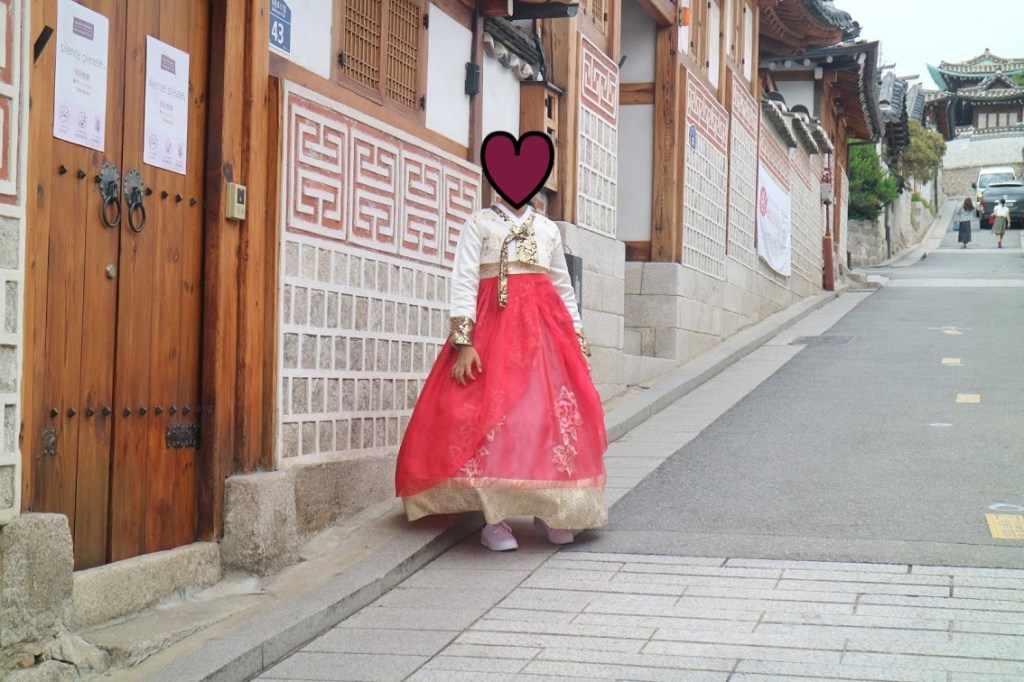
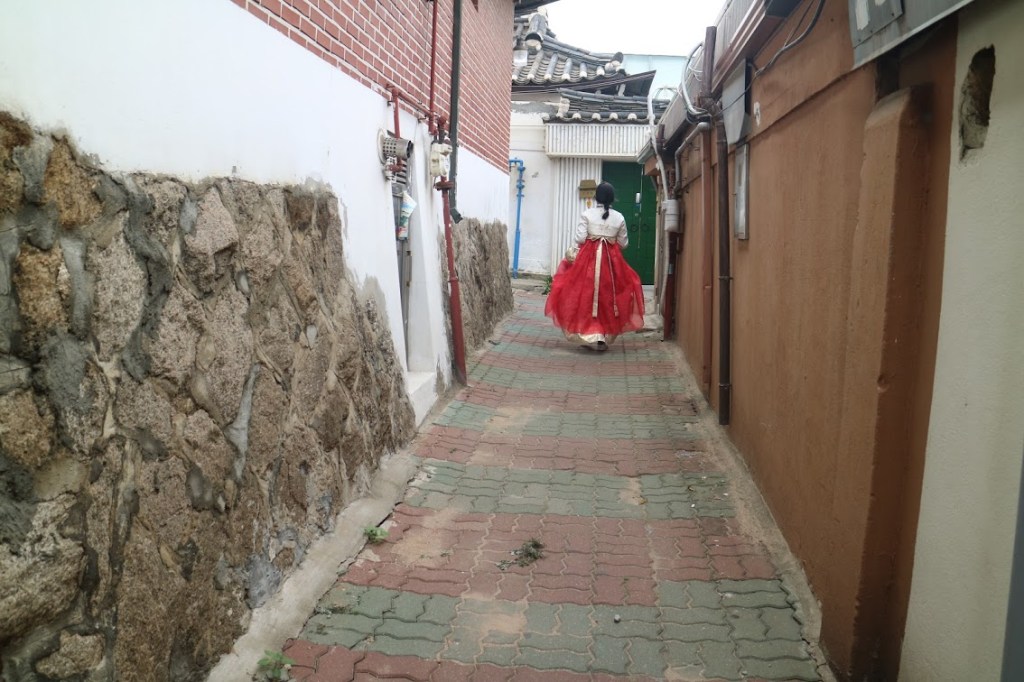
11. Go to Hanok Village.

Hanok village showcases traditional houses. They are beautiful IG worthy houses but residents there don’t look happy due to the noise brought by tourists.
20180608113459_IMG_1905

20180608122025_IMG_1948

Lower your voice when you’re there. Just enjoy the place and respect the villagers.

12. Shop ’til you drop.

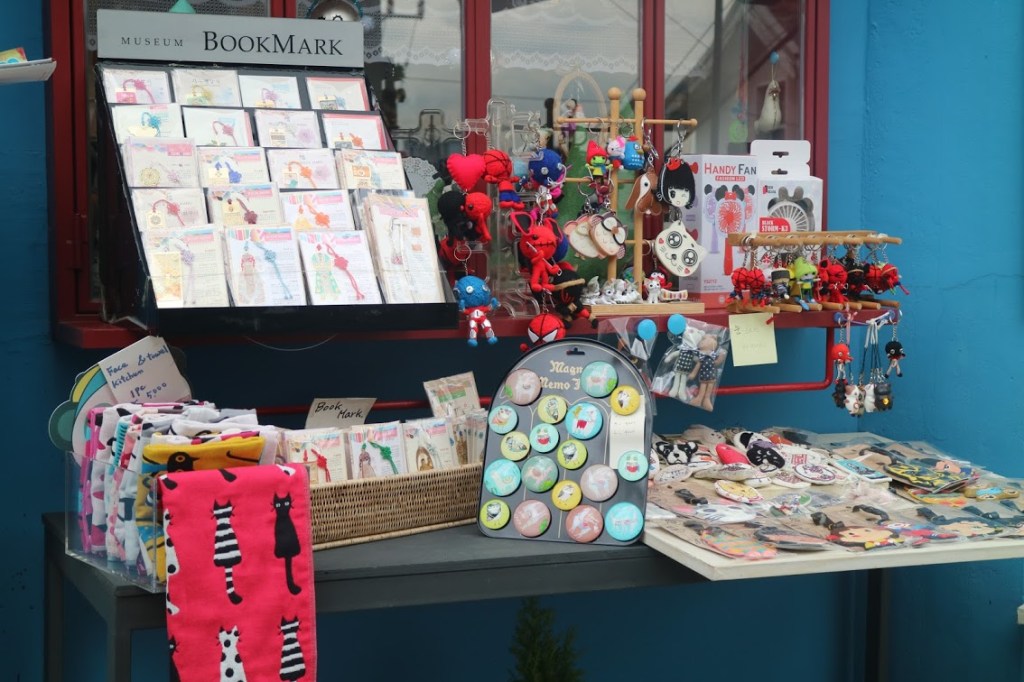
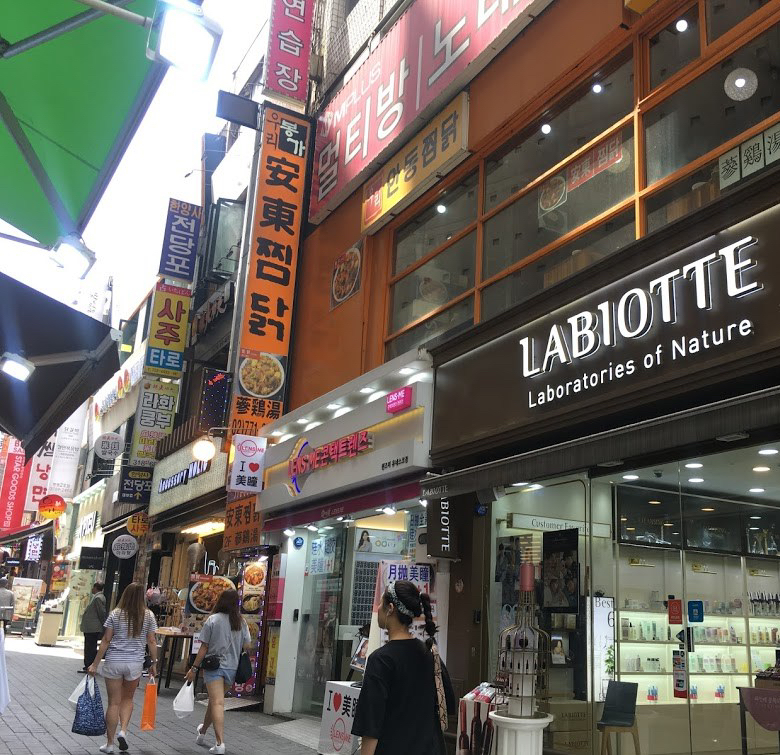
You don’t just prepare your eyes for the view and stomach for the food. You also need planning for the things you need to buy. Streets, alleys, and different stores have things not on your list but will tempt you to buy.
20180611103856_IMG_3132

img_2466.jpg

There is no best time to shop because day and night you can do shopping spree!

13. Prepare your stomach for traditional street food.

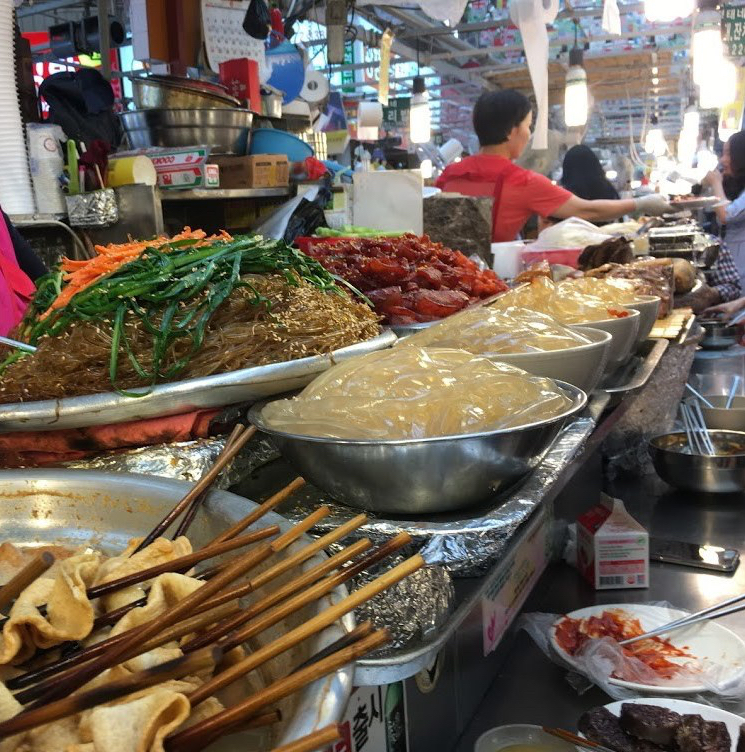
Gwanjang Market offers Korea’s traditional foods at an affordable price. Research the ingredients first to know if you can tolerate the taste or if you have an allergy to that food – you don’t want to waste money just trying to be cool.
IMG_4458
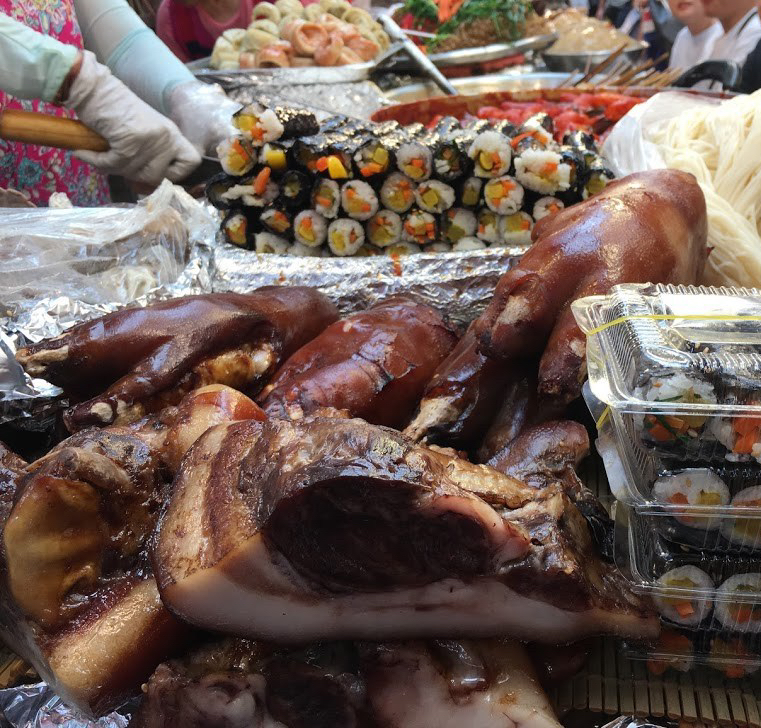
I tried Soondae (Korean-style sausage stuffed with boiled sweet rice, cow or pig blood, potato noodles, mung bean sprouts, scallions and garlic) and ended with a lot of leftovers.
img_4452-e1555835663661.jpg

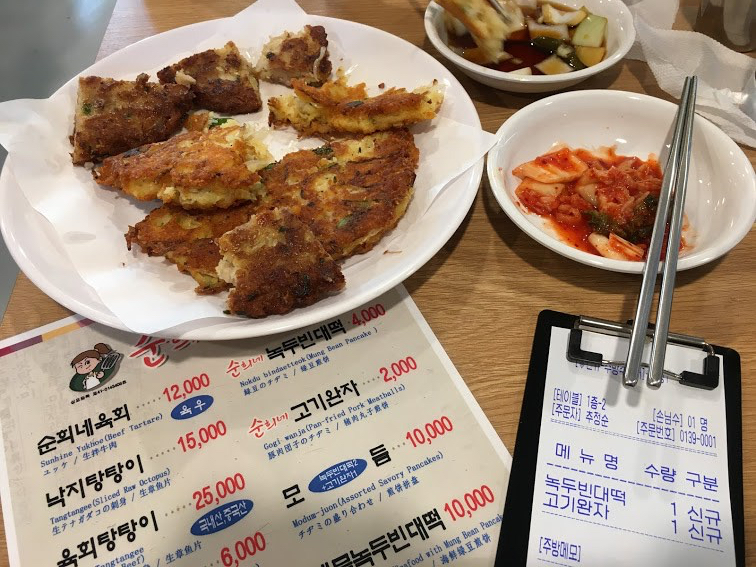
My favourite food so far was Wanja-Jeon (pan-fried mixture of soybean and meat). We went to Gwangjang twice just to eat this! Also, their side dishes are the best!
img_4460-e1555835706848.jpg

It’s best if you have a Korean friend to translate or interpret the food you want to try. Some menus have English translations others don’t.

14. Enjoy the night breeze at Dongdaenum.

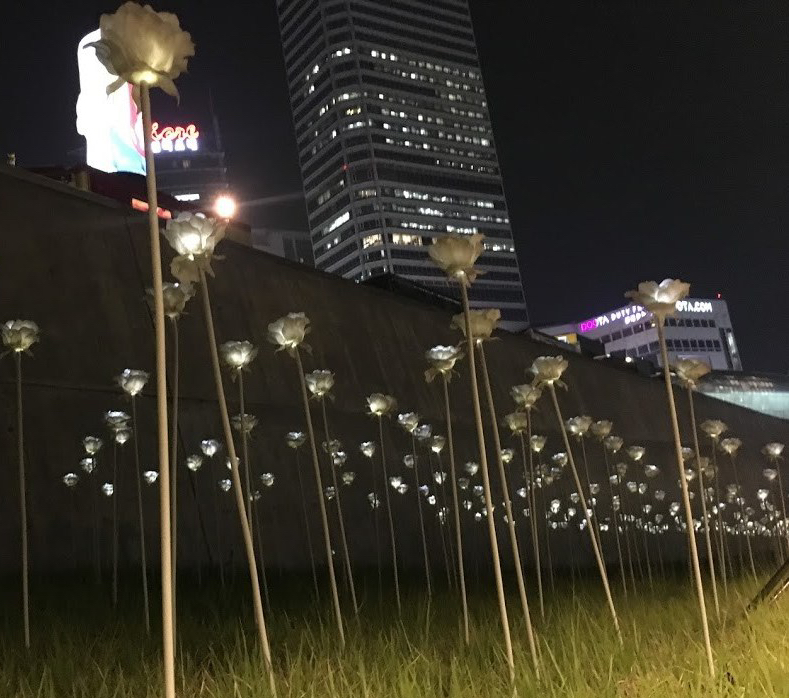
If you already went Myeongdong’s night market and still have another night to spend, you can try wandering around Dongdaenum.
img_3136-e1555835802619.jpg

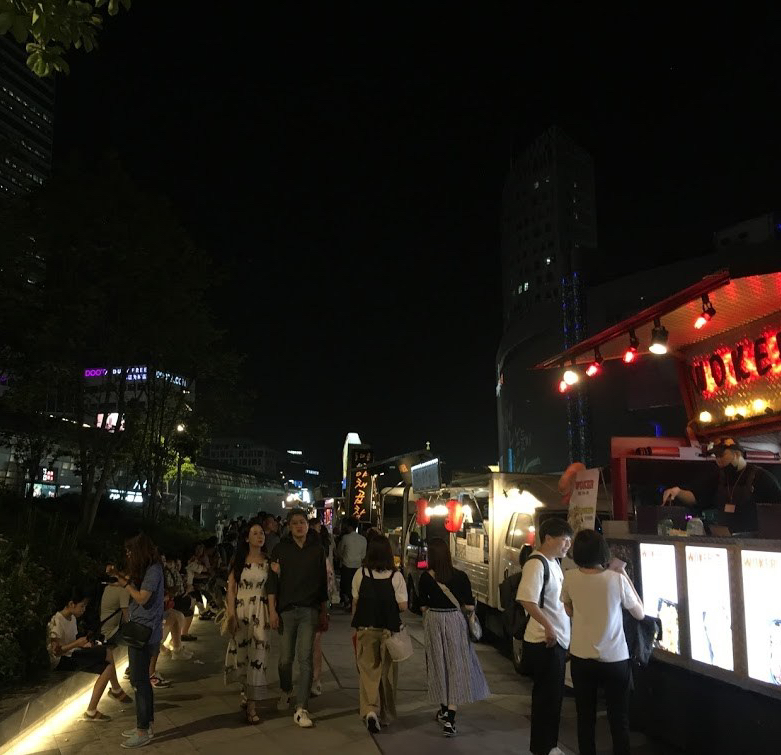
Lights coming from different sources can calm your mind. There are also food stalls and sometimes a band performing in the area you can enjoy.
img_3154.jpg

It’s fun to observe couples, families, and friends enjoying each other company – you will realise that the world is really big and you’re just a speck of dust in the universe.

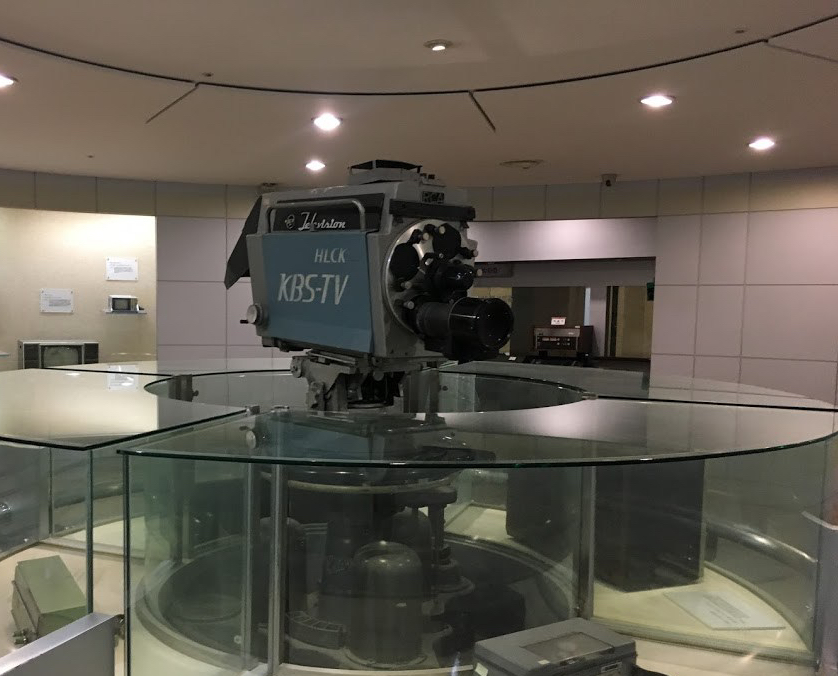
15. Go to KBS.

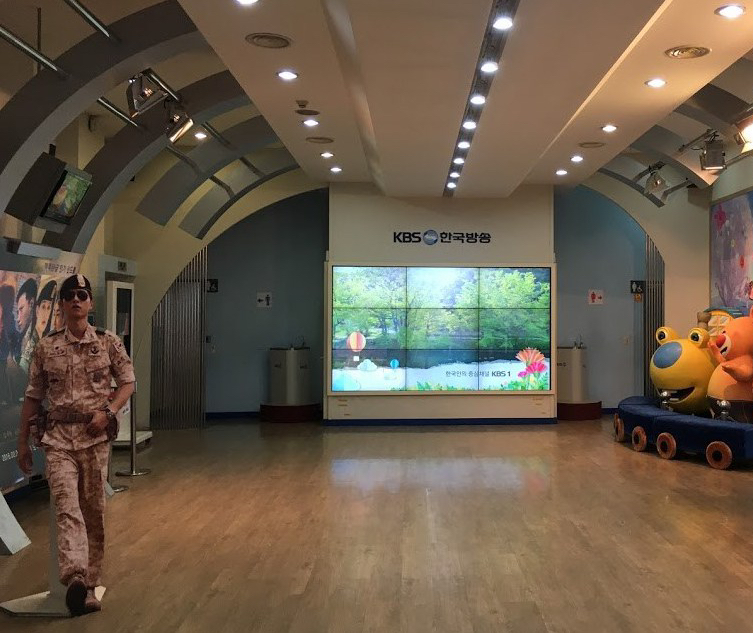
Are you a fan of Descendant’s of the Sun? Then go to KBS. They have an exhibit showcasing their shows. No entrance fee needed!
img_3840-e1555835962559.jpg

If you’re not a fan of any KBS shows, get awestruck with their old filming equipment.
img_3847.jpg

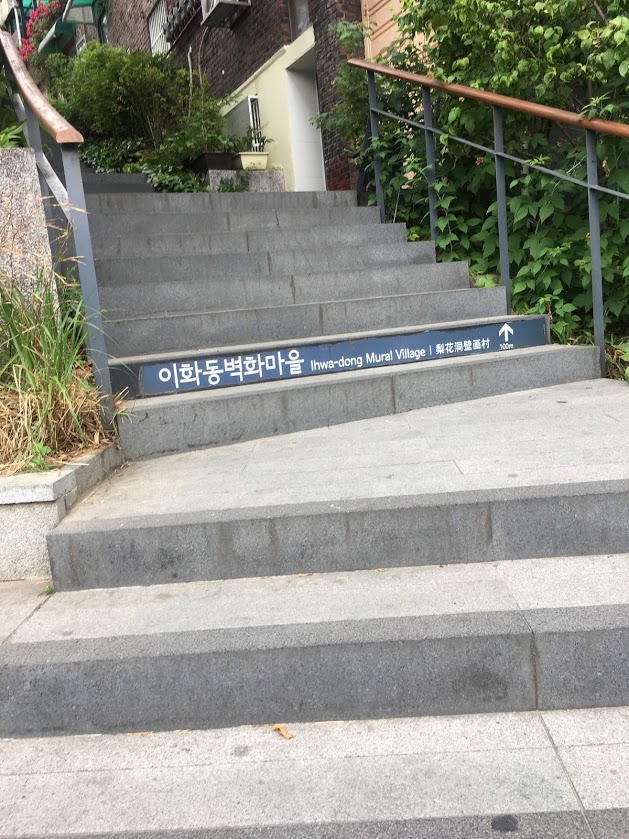
16. Do WALLing.

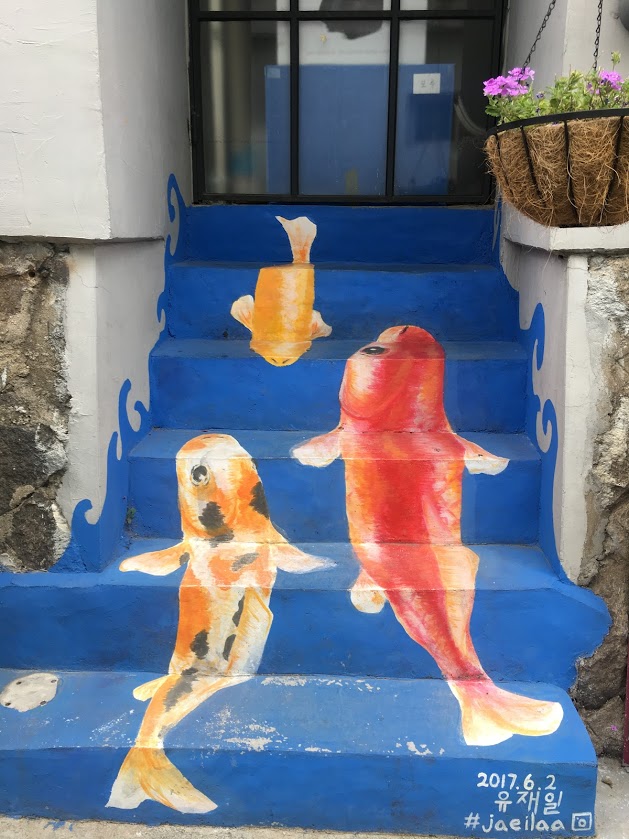
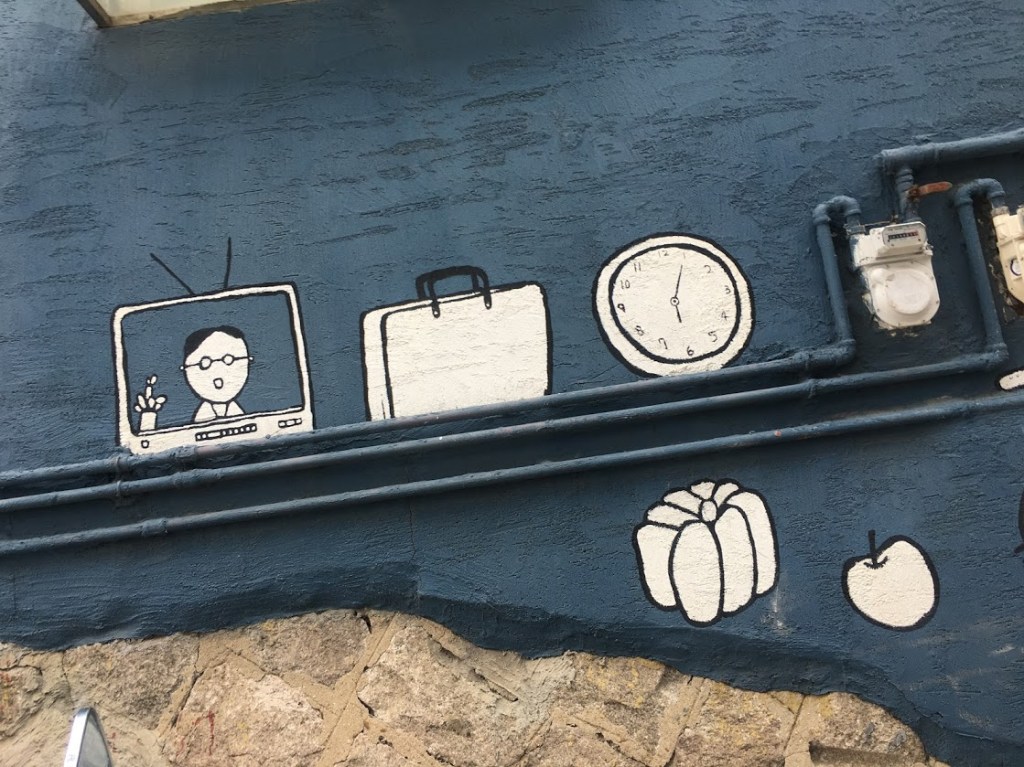
Did I just tell you the random art works a while ago? Well, if that’s not enough arts for you, Ihwa-dong got something for an artist like you. They have a mural village!
IMG_4086

Avoid the hassle of getting lost by securing your map going there. We walked and got there easily!
IMG_4136

Summer light will help on intensifying the colours of the beautiful paintings on the wall.
IMG_4099

There are food stalls if you get hungry and mini souvenir shops around.

17. Lock your heart.

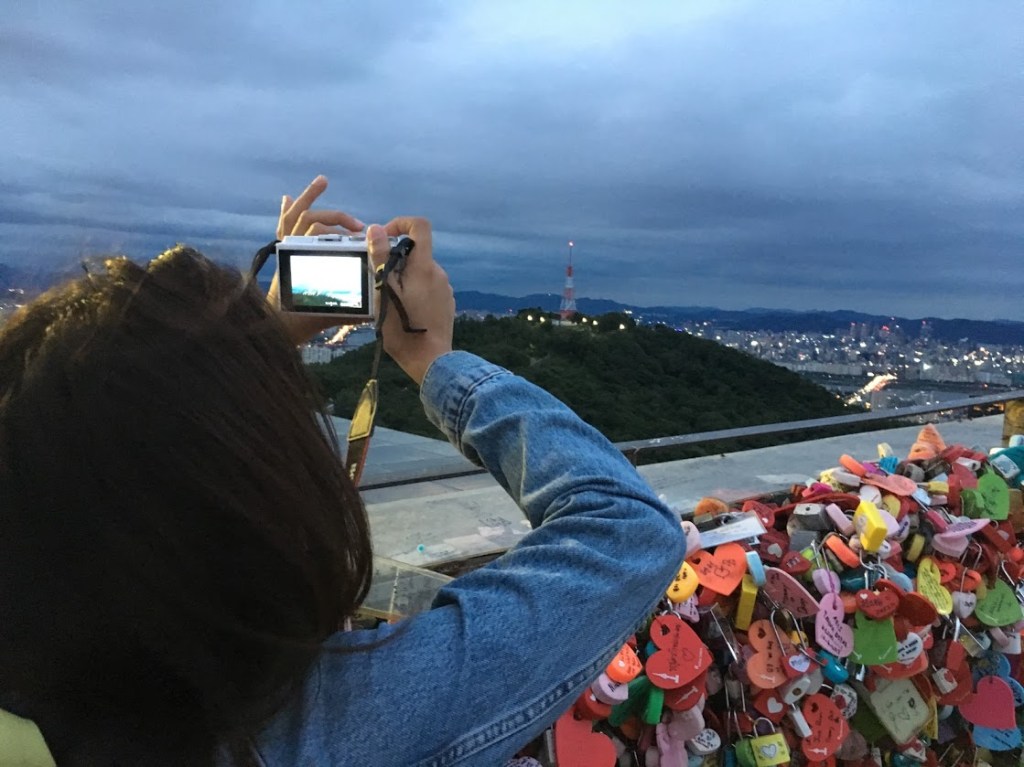
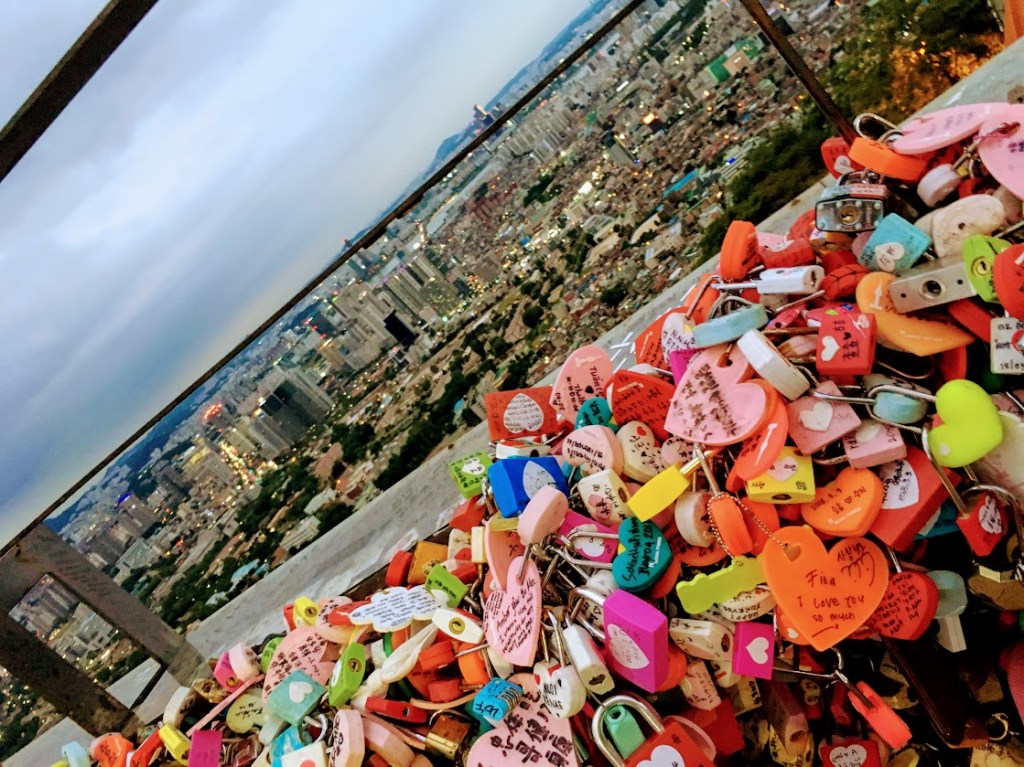
From people who will break it. JUST KIDDING! Enjoy the view and pretty locks near N Seoul Tower.
IMG_3926

IMG_3948

If you are with your special someone, why not lock your love for one another. Single? Lock your dreams. LOL. Or take the opportunity to capture your pic with the locks during golden hour.

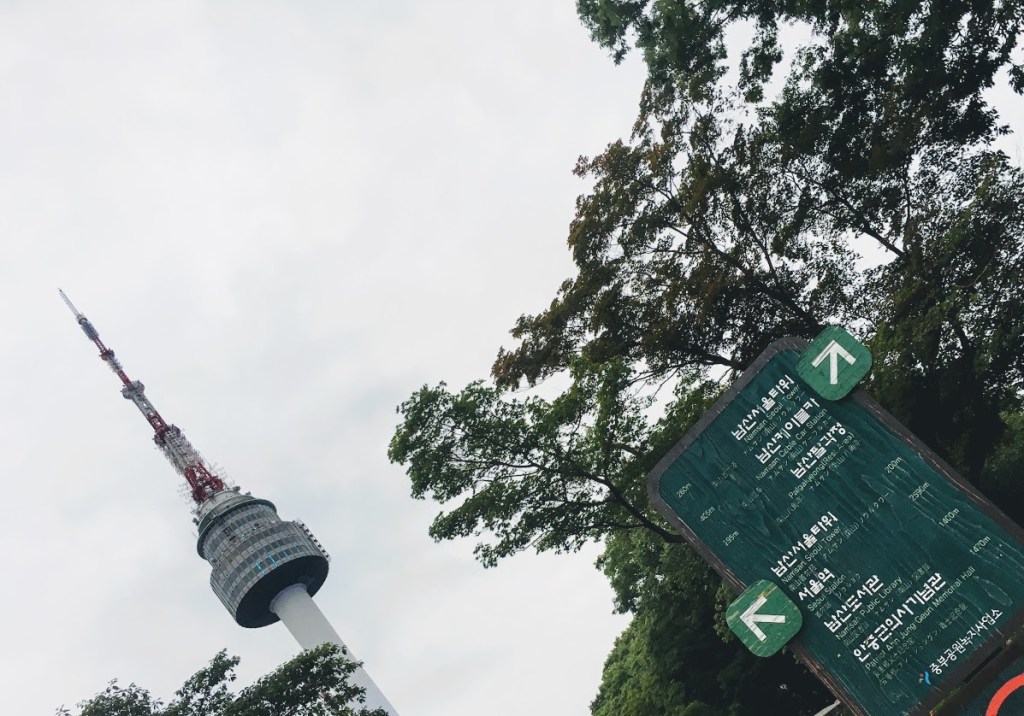
18. Literally level UP going to N Seoul Tower.

Literally level up because you need to climb up the mountain first before reaching the tower. It has an architectural height of 236.8m.
IMG_3904

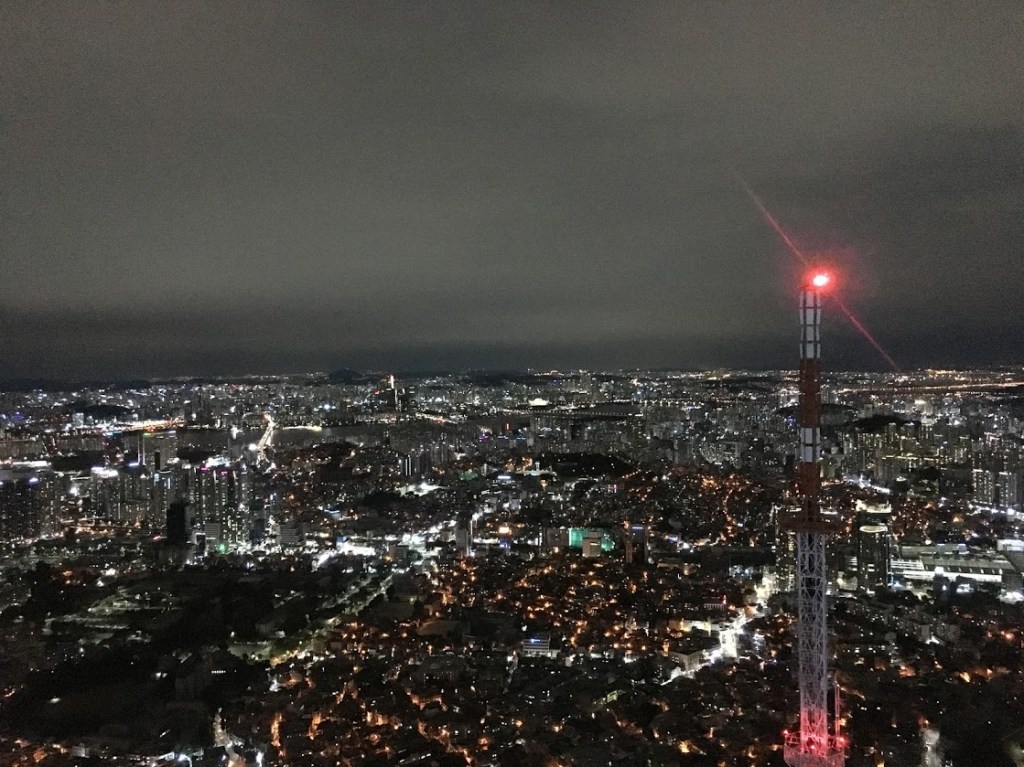
I would recommend to go there before sunset. That time duration will be enough for walking, eating, and picture taking at the heart lock section. And will be perfect to view the city lights at night.
IMG_3987

This isn’t recommended for those afraid of heights as the observatory height measures 135.6 m. Conquer your fear and witness the stars from below.
IMG_4021

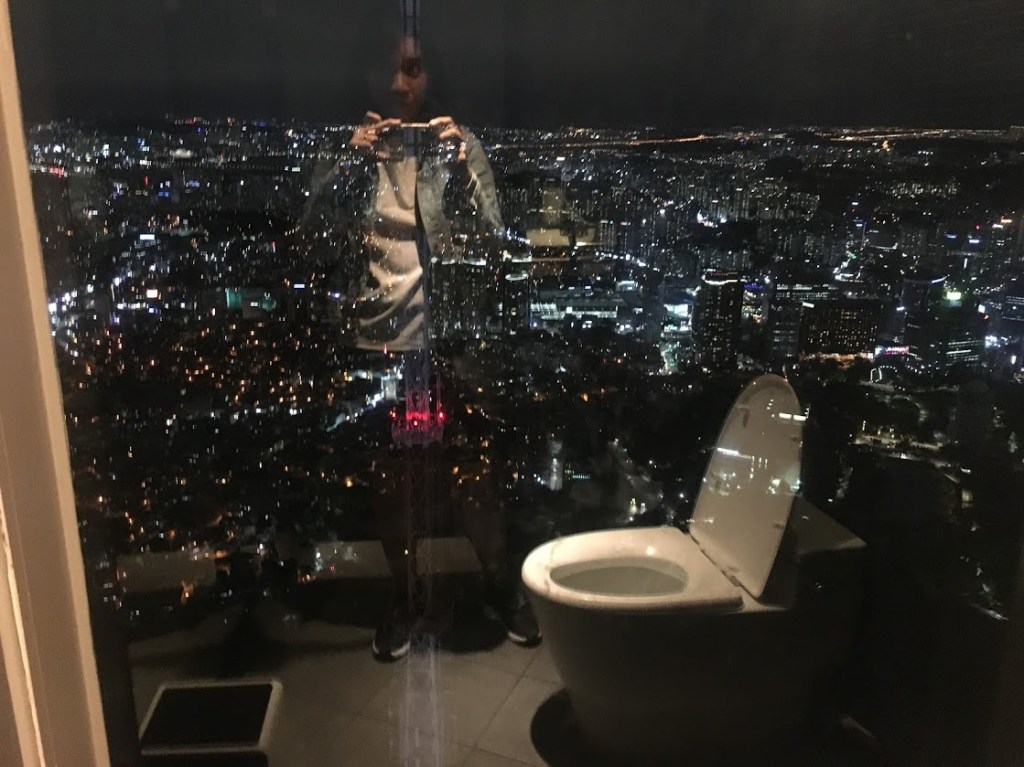
And yeah! I was surprised to see this! And I’ll pee and poo often if I have this kind of view in my comfort room. LOL. And if you’re not being called by nature during your visit, why not just dine, relax and enjoy the view?

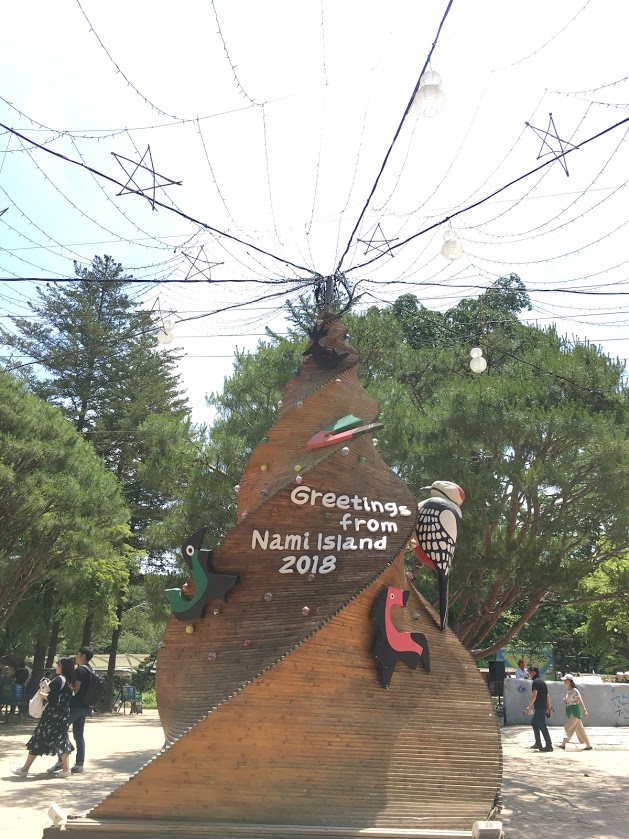
19. Explore Nami island.

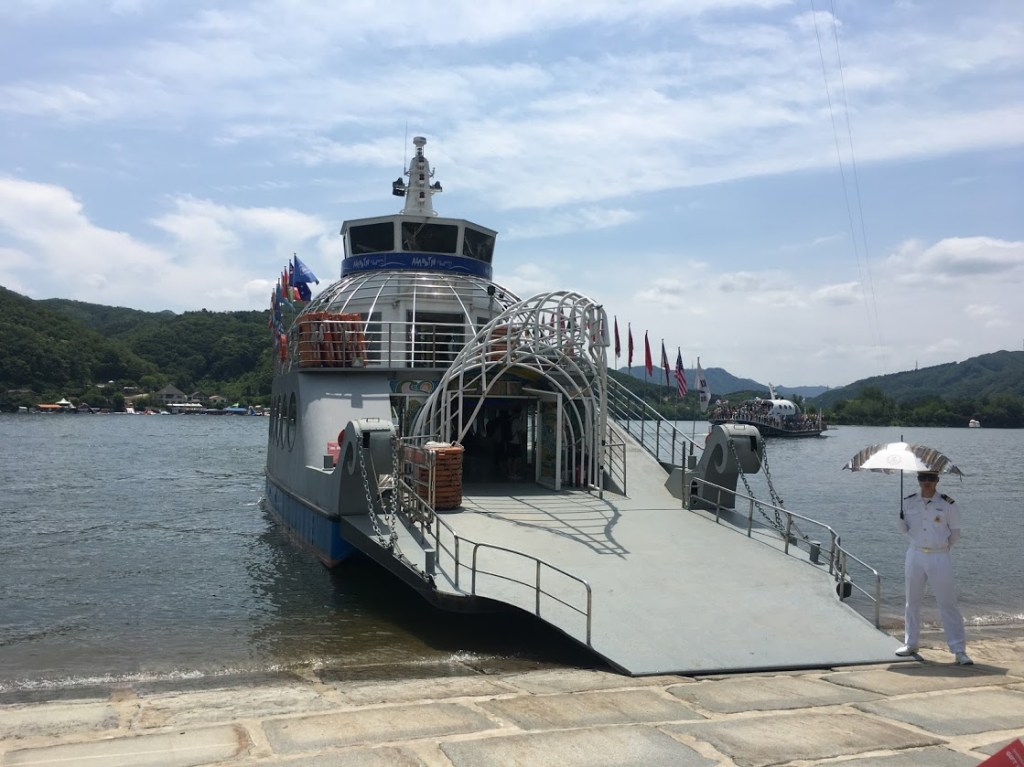
Prepare yourself for a 5-10-minute boat ride. Feel the combination of cold and warm air.

IMG_3181

IMG_3185

IMG_3193

People rave about Nami during winter and fall time. Seeing pictures during these seasons proves the beauty of the island. But, let me tell you, summer offers a different kind of vibe to this island.

IMG_3202

The freshness in the air and the mixture of green and red leaves will soothe your stressed soul.

IMG_3203

Bring your instagram boyfriend and take your photo between trees. Just like the IG photo of Coleen Garcia below:
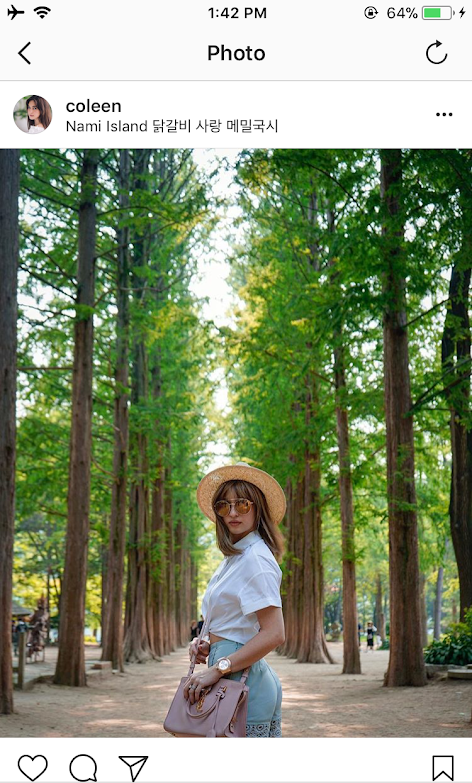
IMG_3237

And if you do not have an IG boyfriend or even an ordinary boyfriend (awwiee. LOL). Be thankful for the friend you have who’s willing to take your photo (and doesn’t care if you look good or not. haha). Or just bring a tripod and the magaling-tumayming-sa-self-timer self (skill in self-timer photography). Get ready for all those funny bts shots you will have. Make sure your friend or self-timer took burst of photos you can choose from because I assure you out of 20 shots you’ll just get 1-2 decent photos. Haha.

Walk around and forget all your worries. Relax!

IMG_3271

IMG_3270

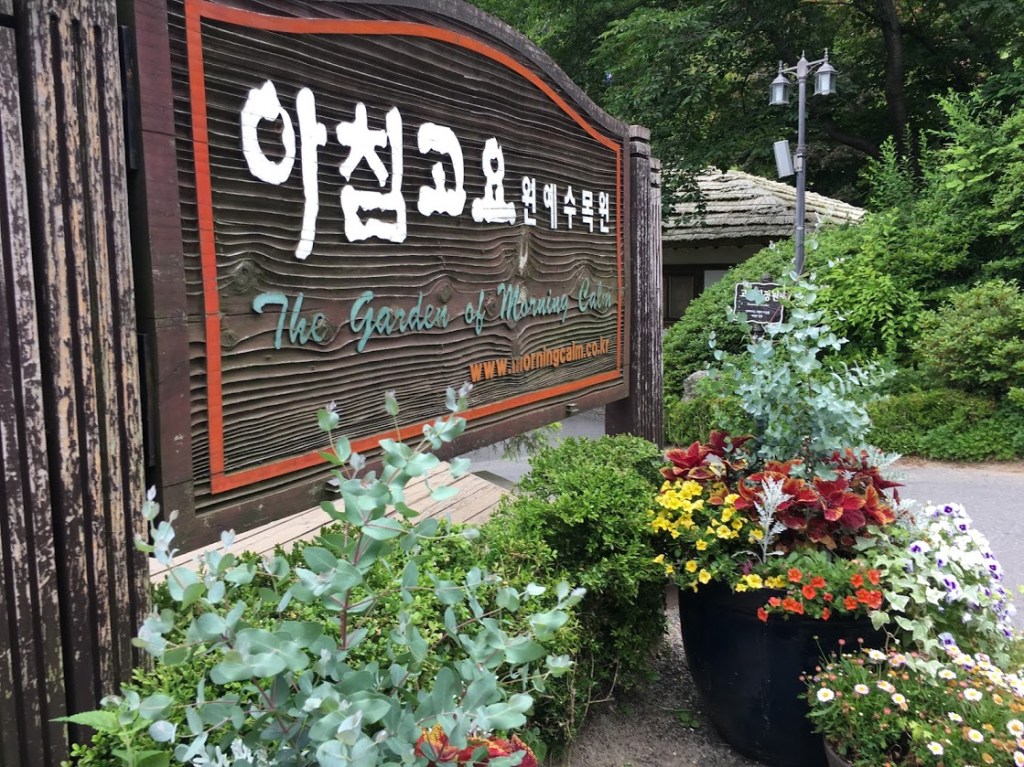
20. Calm your mind in the Garden of Morning Calm

After spending time at Nami Island, you can opt to go to the Garden of Morning Calm. It is a place for all season (though spring will show you more flowers).
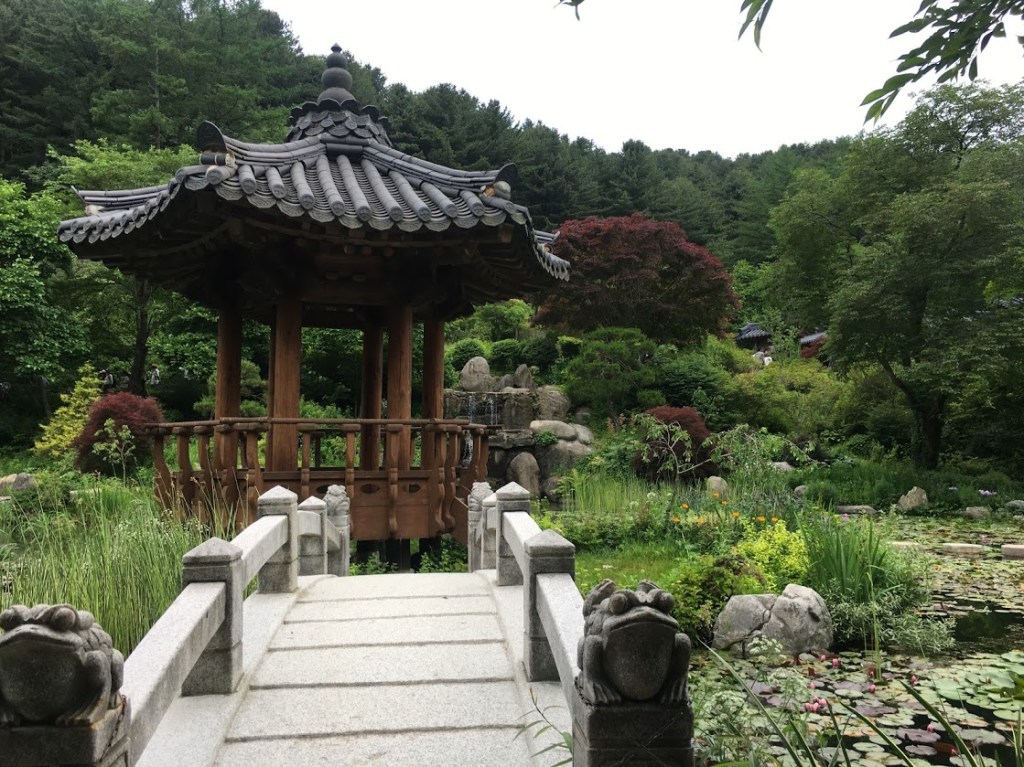
IMG_3294

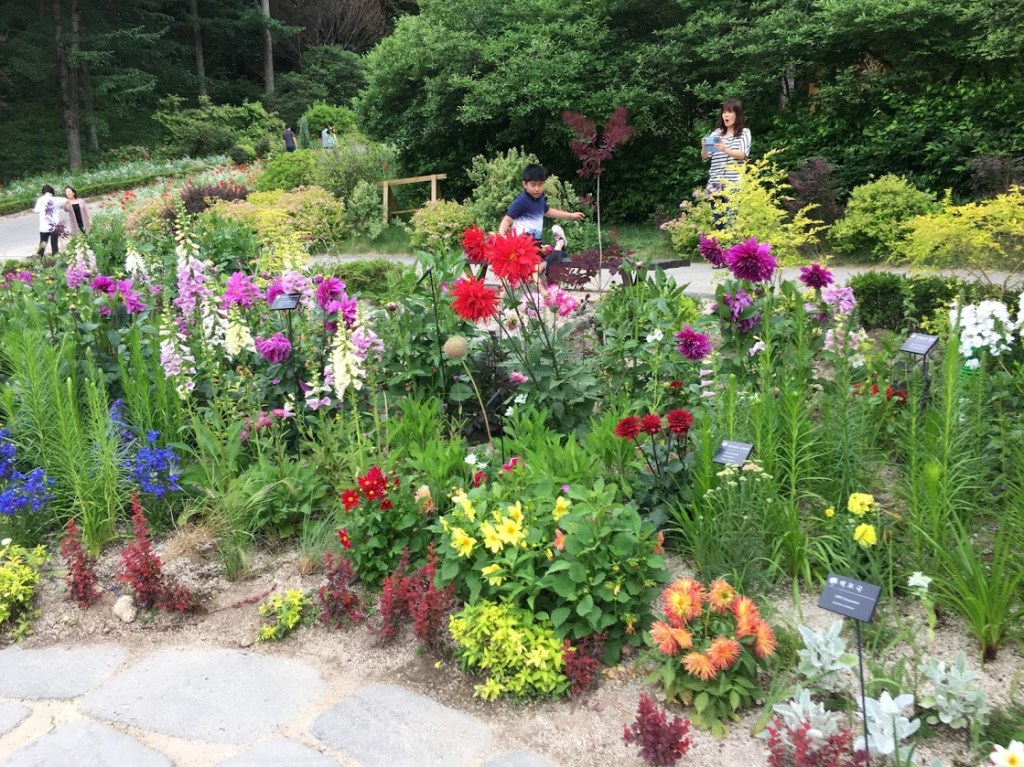
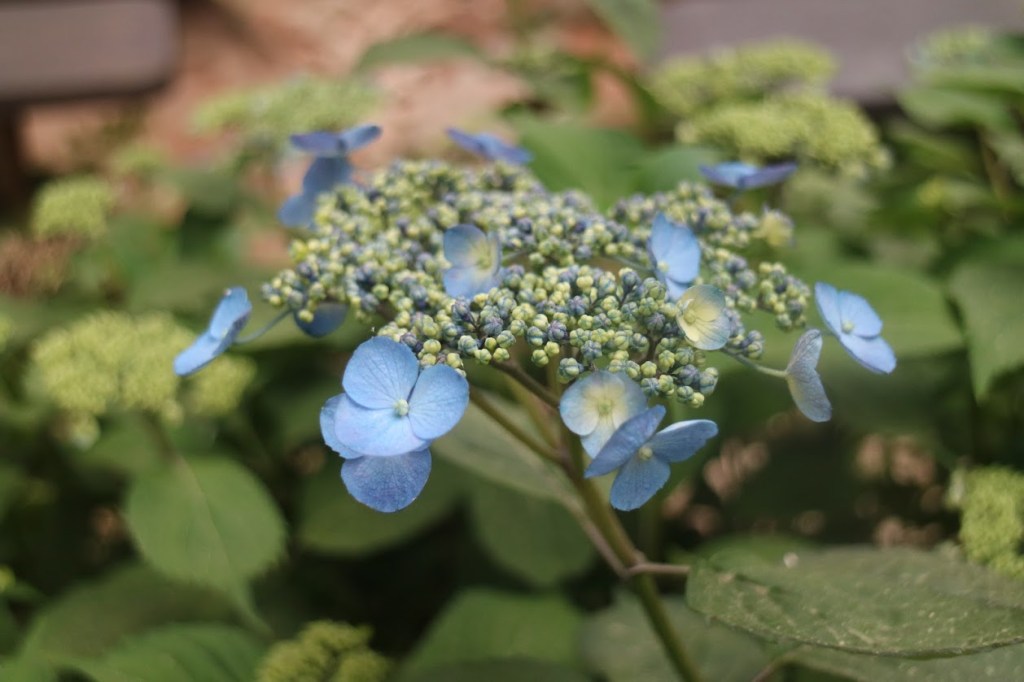
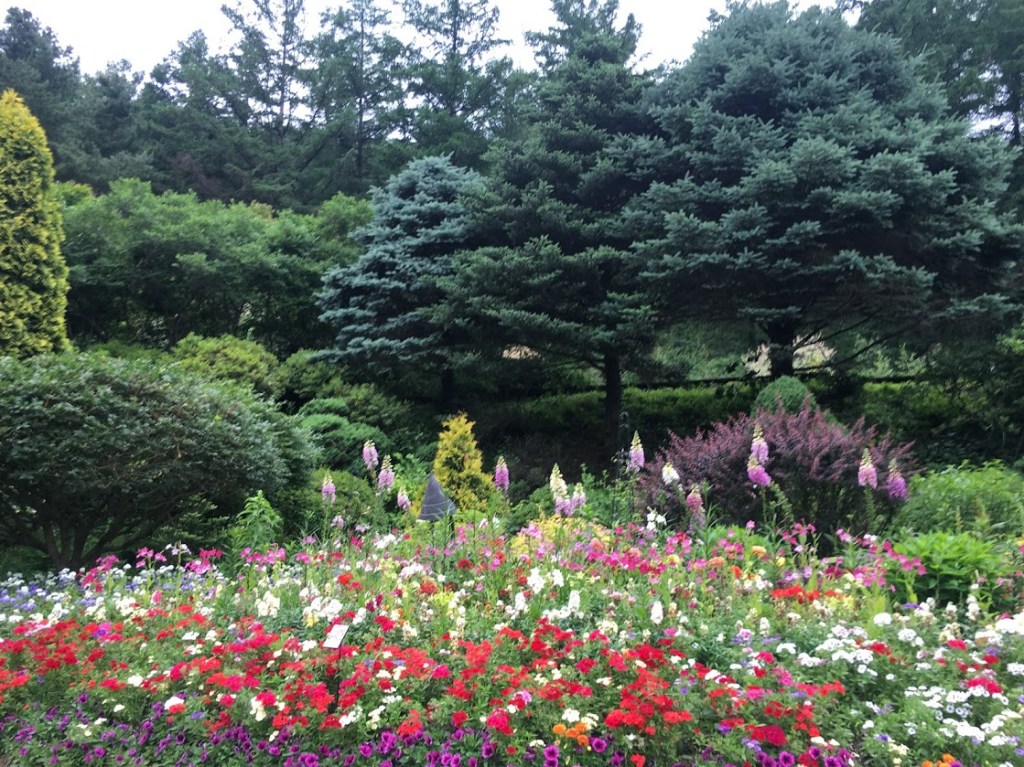
Summer won’t disappoint you. The garden will greet you with flowers and different kinds of plants.
IMG_3332

20180609160825_IMG_2476

IMG_3460

IMG_3365

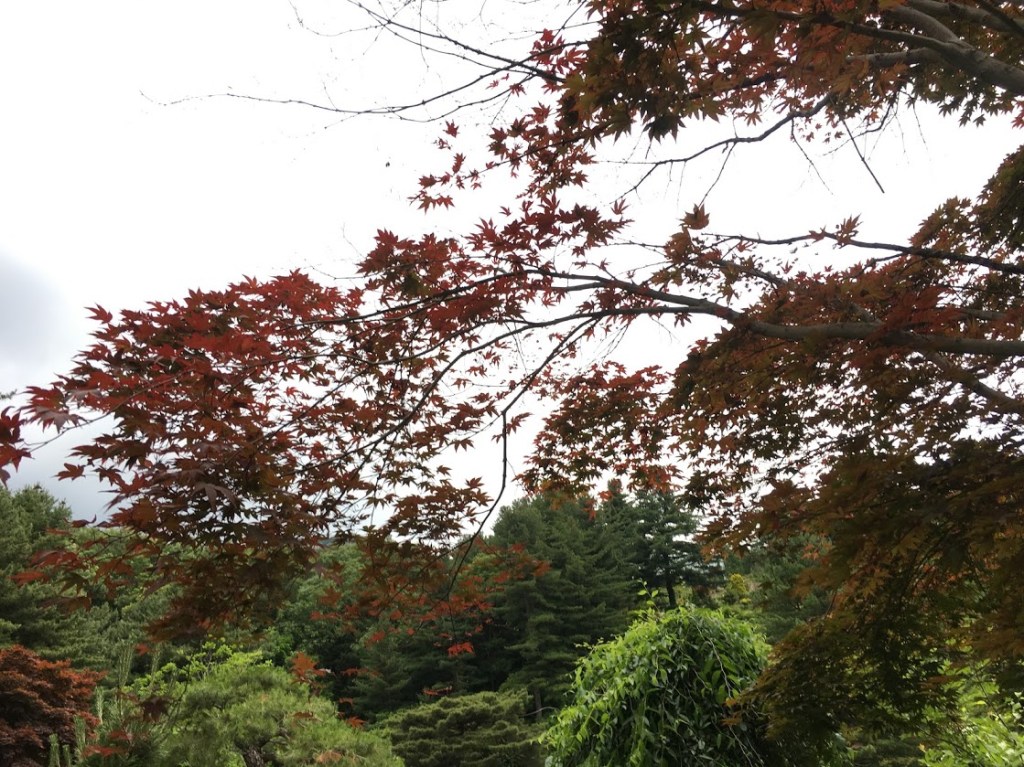
This is one of my favourite places we visited. The place is very peaceful with all those relaxing colours of green, red, purple, pink, etc. The temperature is just right to enjoy the view and calmness of this paradise.
IMG_3307

IMG_3360

IMG_3311

IMG_3392

If you feel tired, you can just sit and breathe and remind yourself how beautiful life is. 😉

21. Drink but don’t get drunk.

Koreanovelas amaze me on how much Koreans can handle alcohol. And I think these drinks give a soothing warmth in the body during colder days. Being in the place of sojus, try to experience tasting their alcoholic beverages.
20180607195904_IMG_1407

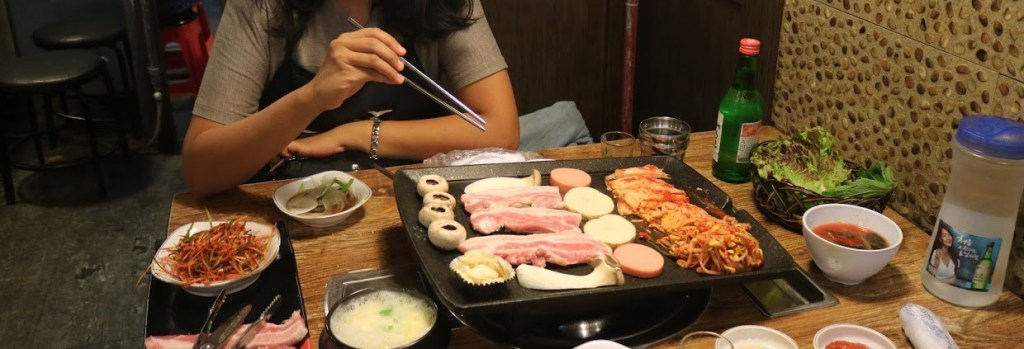
On our first dinner, we already tried soju! Our trip had tolerable cold nights and soju was just perfect before getting to bed. We originally planned to get wasted drinking but our itinerary didn’t allow that to happen. Besides, waking up sober gives you more energy to enjoy long walks.
img_3574.jpg

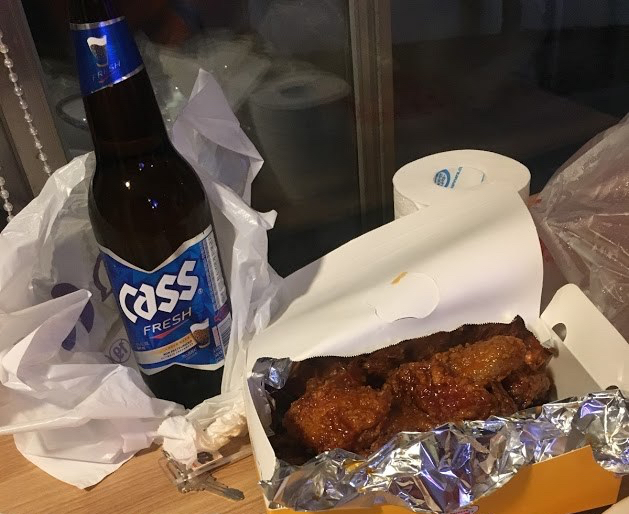
Beer + fried chicken = perfect combo! Convenient stores offer a wide selection of beer plus fried chicken kiosks are in every corner.
20180608173738_IMG_2080

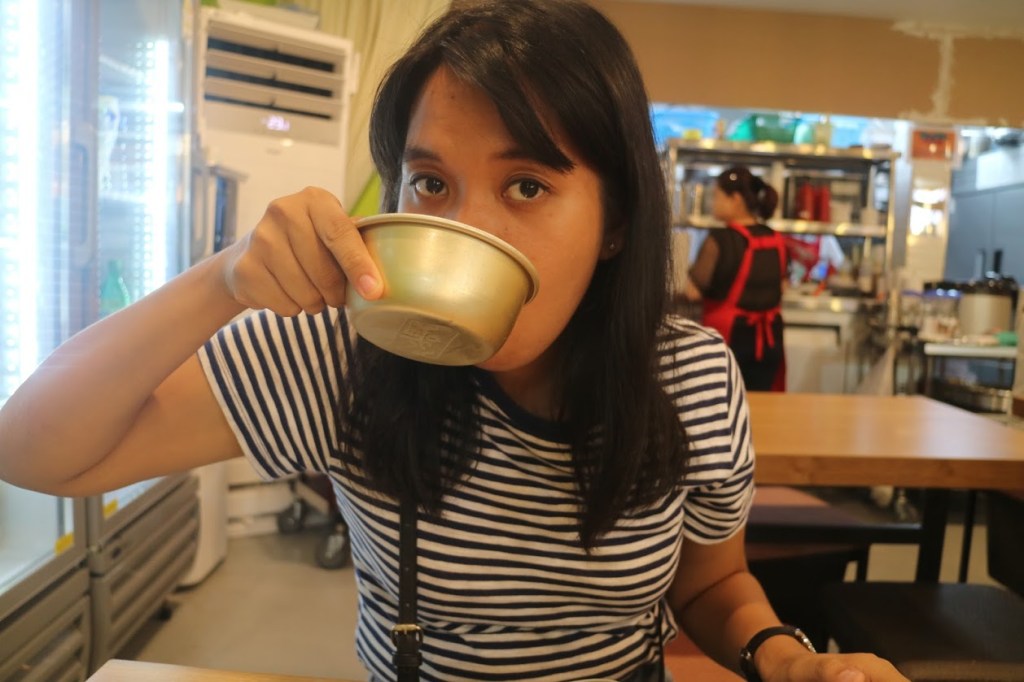
Aside from soju and beer, we also tried makgeoli – an original Korean alcohol made of sweet rice. The sweetness, tanginess and carbonation of the drink will give you a unique taste of alcohol.

22. Reminisce Beauty and the Beast with the Rose Garden Festival.

My favorite place in our entire itinerary – Rose Garden Festival! I super love flowers and dream to see sea of tulips. I was saddened when I learned that June was not the best condition for tulips. But, I guess life has its own way to show you magic – to let you believe in miracles. Nope, we really did not witness hectares of tulips – destiny brought us to a place FULL OF ROSES!!!!!!!

IMG_3771

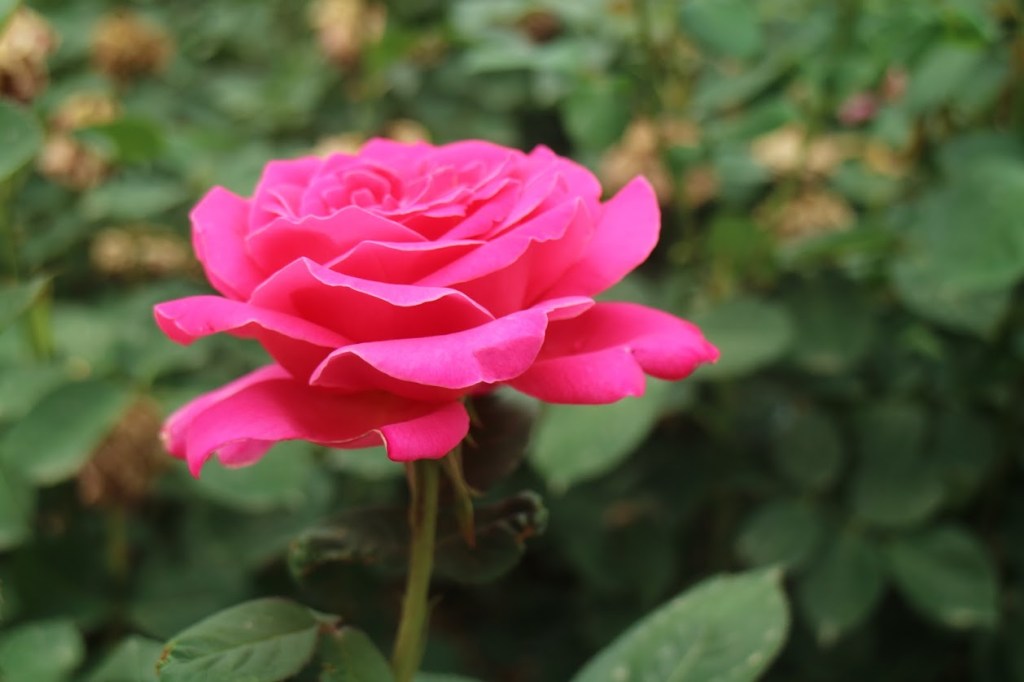
Seoul Grand Park Rose Garden Festival is being held in Seoul Grand Park in Gwancheon around May to June. Last 2018, when we visited the garden, it ran from May 26 – June 10. It brought me happy childhood memories of Beauty and the Beast. It was a paradise my cannot give justice.
IMG_2762

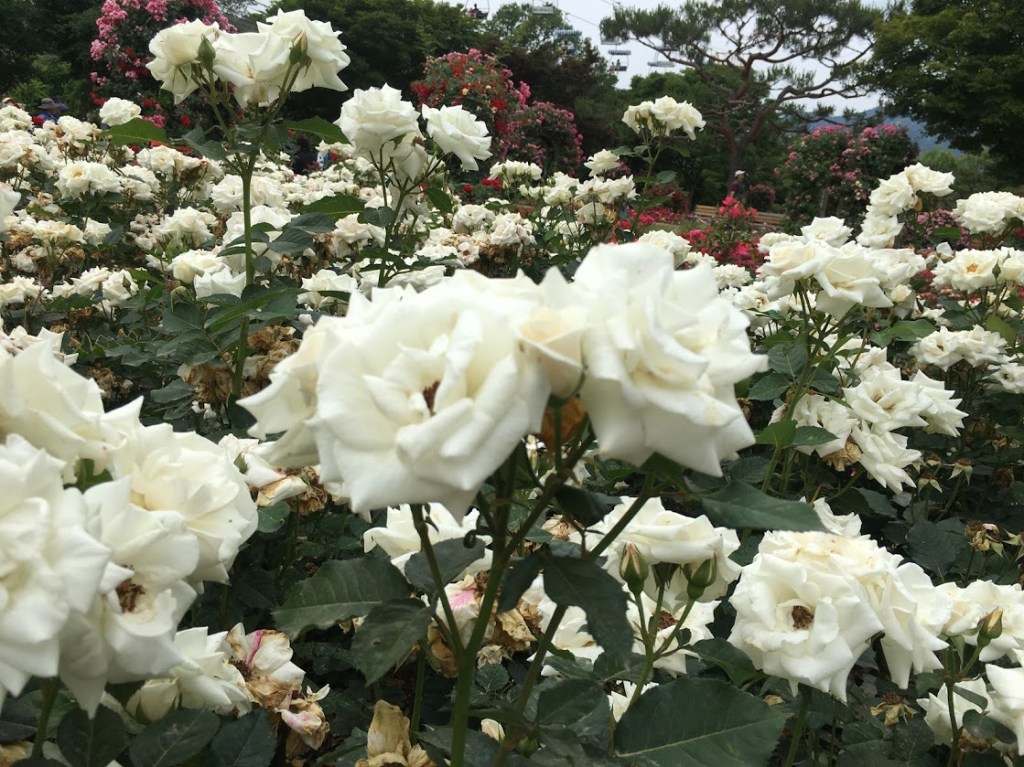
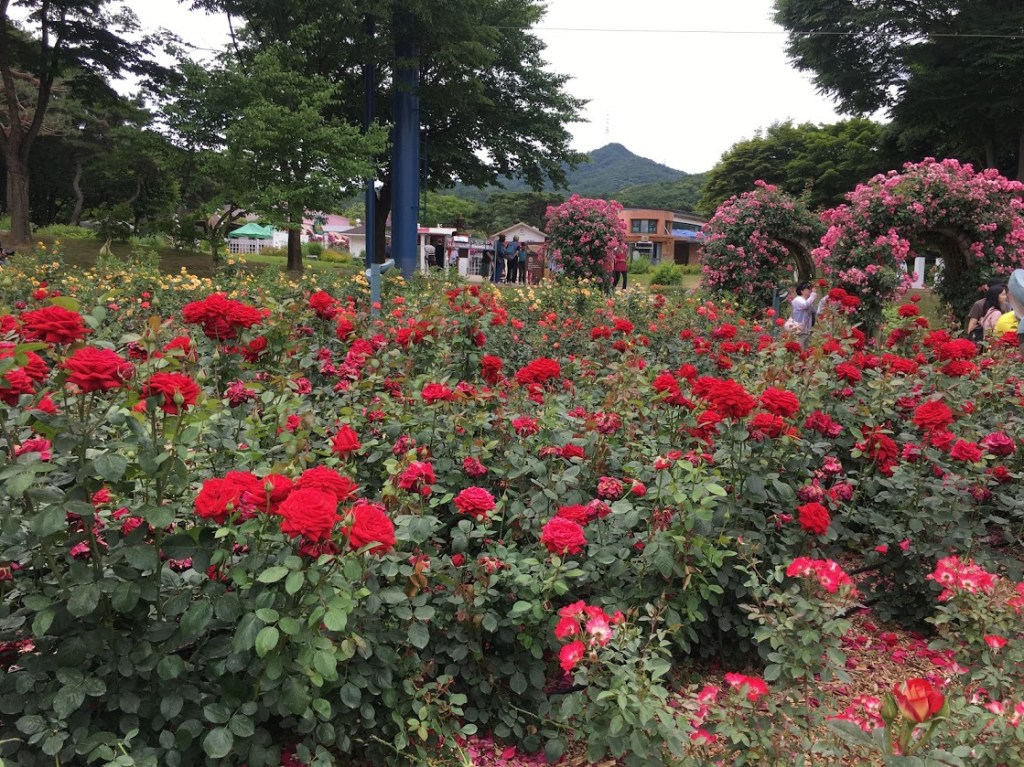
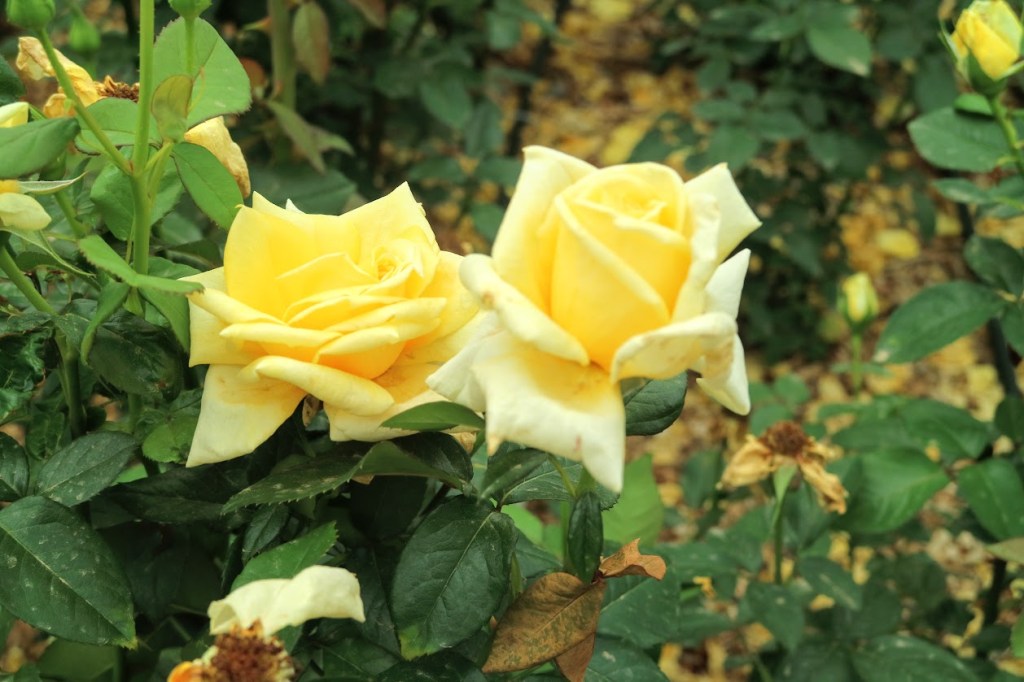
Yearly, they are showcasing tens of thousands of blooming roses with different colours and species.
IMG_3684

20180610110559_IMG_2763

IMG_3704

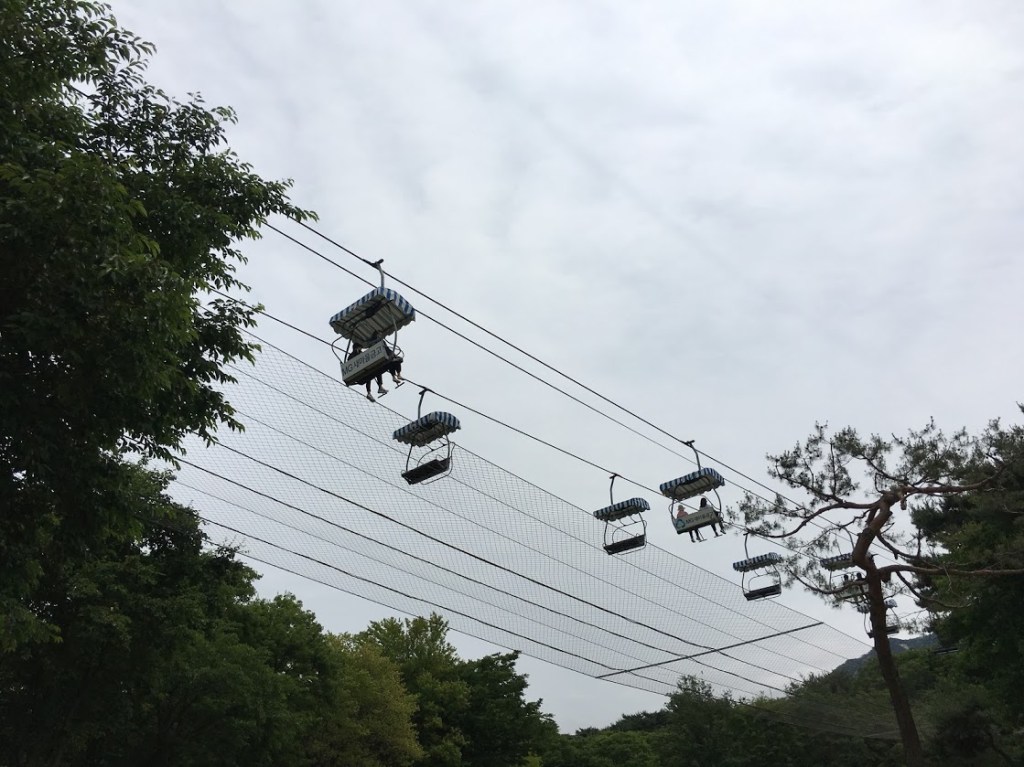
You can also see the top view of the garden by riding the cable car. We didn’t ride the cable car because seeing the flowers up close was our goal.
IMG_3668

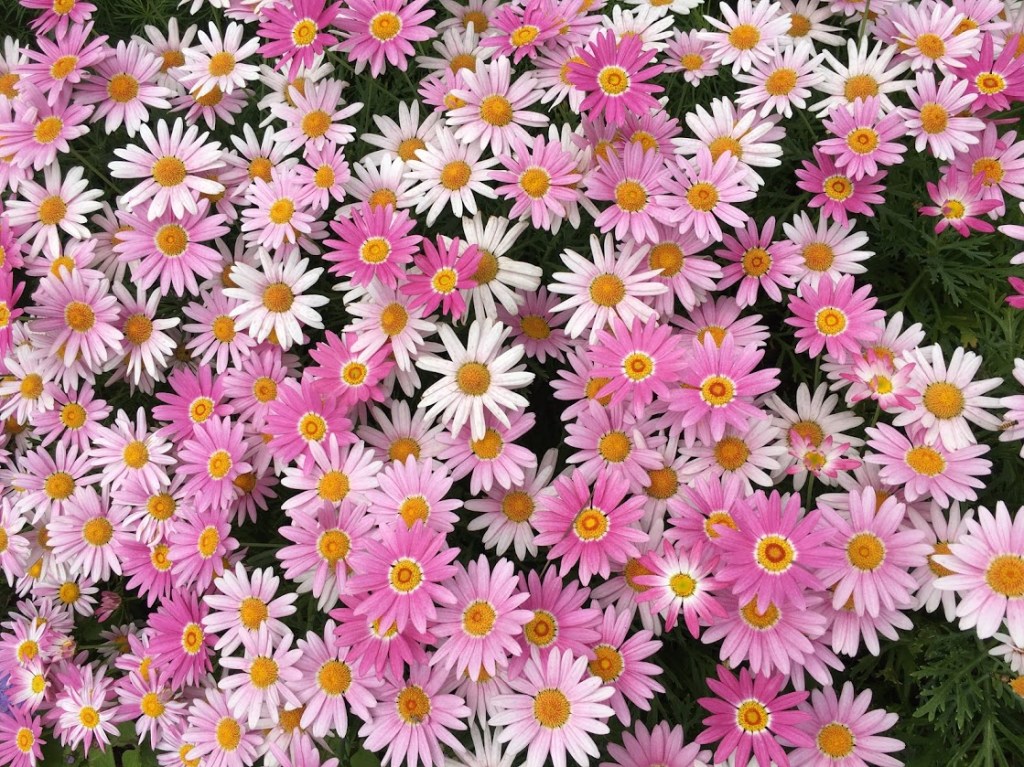
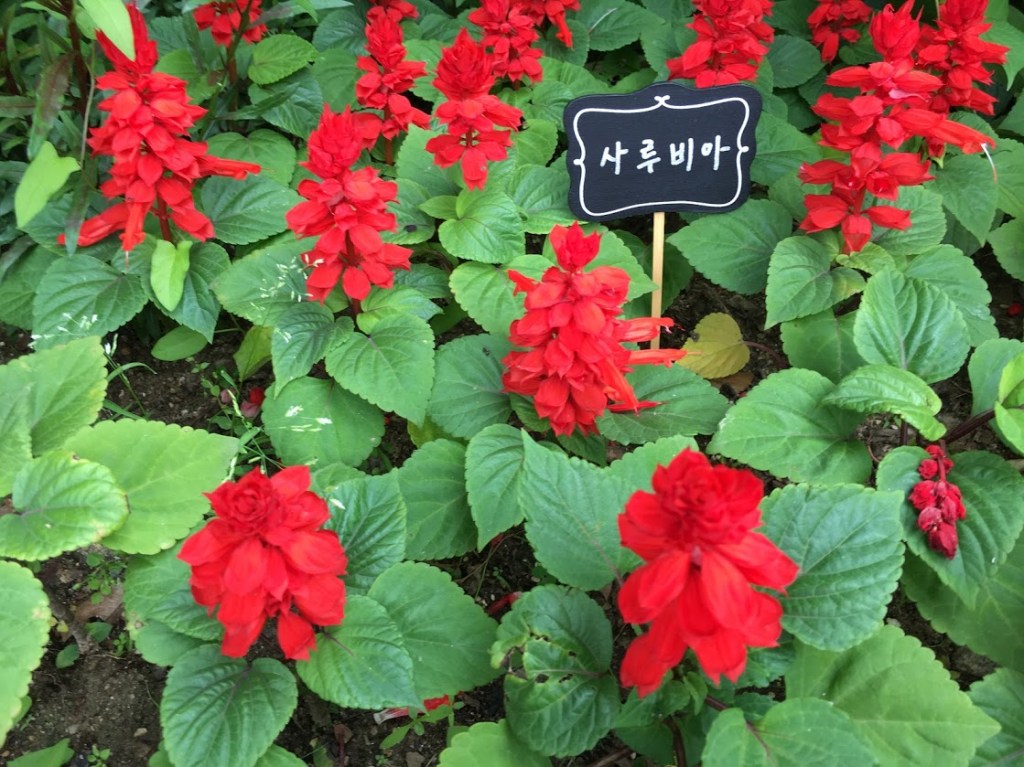
They don’t only have roses, there will also be equally beautiful colourful flowers that will greet you in their entrance and bid you good bye at the exit.
IMG_3635

IMG_3657

IMG_3614

IMG_3617

IMG_3661

IMG_3795

Schedule your Korea visit during winter, spring and fall they say. No doubt to that. Snow, colourful flowers and different shades of leaves are pretty exciting but summer time has its own beauty that might surprise you.

https://pagead2.googlesyndication.com/pagead/js/adsbygoogle.js (adsbygoogle = window.adsbygoogle || []).push({ google_ad_client: “ca-pub-9588335866876339”, enable_page_level_ads: true });

How to pollinate cassava?

Cassava is one of the most important crops for tropical countries. It has a wide range of use such as feed, food and industry purposes. The demand of the growing population encourages increasing crop production. Some of the objectives in breeding for this crop is to produce cassava with high yield, starch and harvest index, low hydrocyanic content, wide adaptation, resistance to pests and diseases and others.

img_4992.jpg

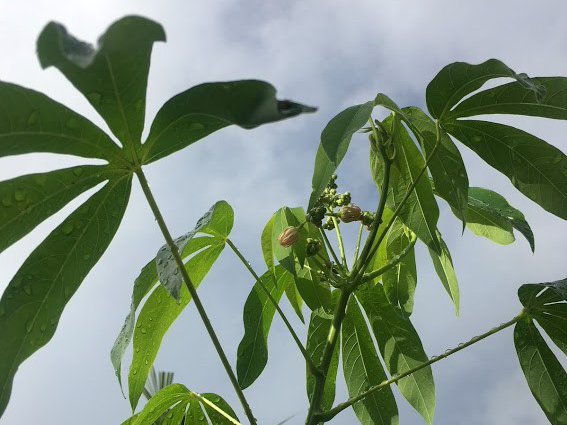
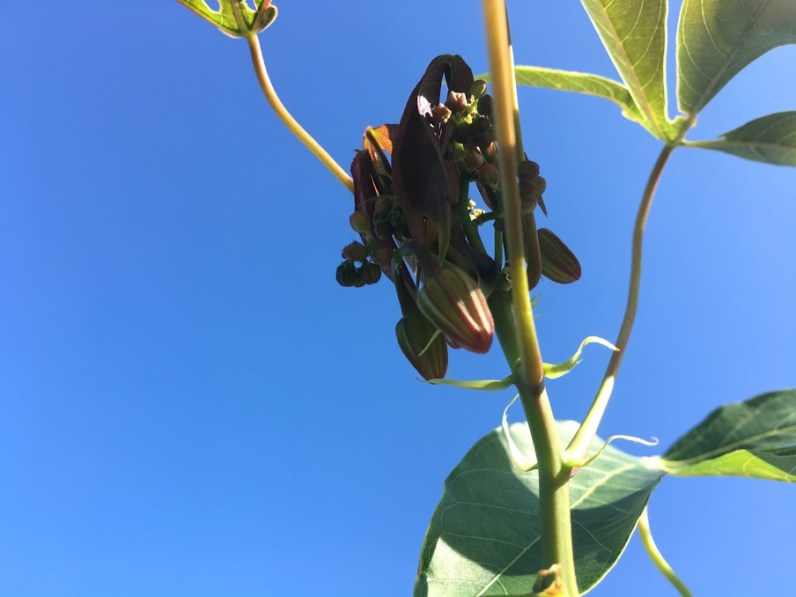
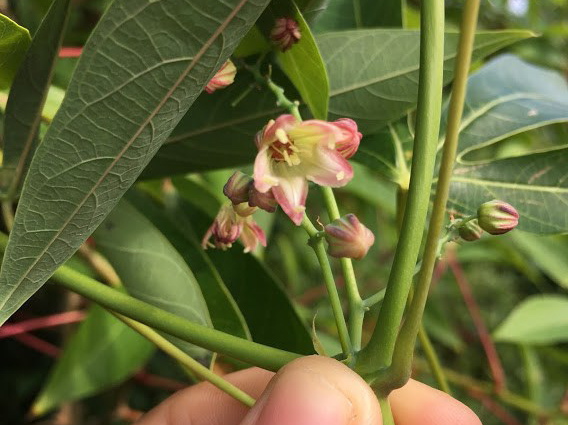
Cassava is a monoecious crop – male and female flowers are separate from each other. Female flowers open first followed by male flowers (1-2 weeks after). Naturally, self- and cross-pollination occur in cassava.

img_6283

Before doing pollination, check if the condition is favorable. It’s better if the sky is clear and there is low chance of rain for the whole day.

img_5352

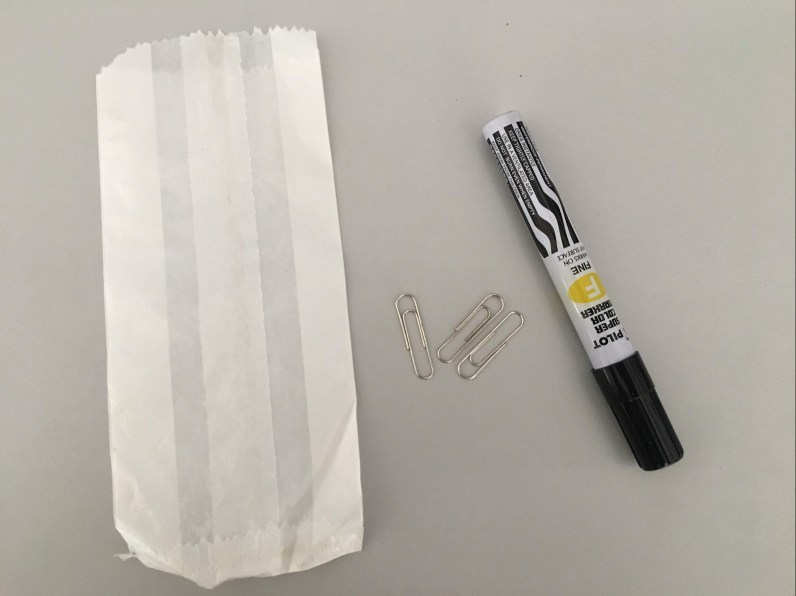
Prepare materials (i.e. glassine bag, uncoated paper clip, marker).

IMG_7417.jpg
(L-R) glassine bag, paper clip and marker.

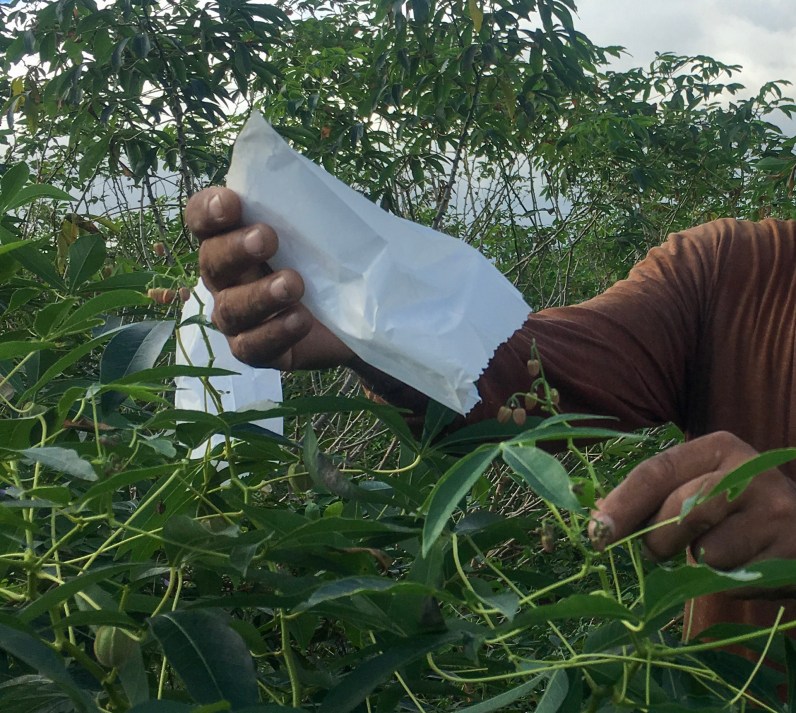
The first step is to determine female flowers that will open that day in the morning. One sure way to know that the female flower will open in the afternoon of the same day is to open one petal of an unopened female flower in the morning and check a drop of nectar on the basal part of the pistil. After selecting the female flower that is about to open in the afternoon, cover it with glassine bag and secure with a clip.

img_6037


In the afternoon, go back to your cassava plants. Opening of both male and female flowers usually begin from 12:00-2:00pm and remain open for a day. Gather male flowers available or those that you intend to cross in a small bottle/container/glassine bag.

img_6182

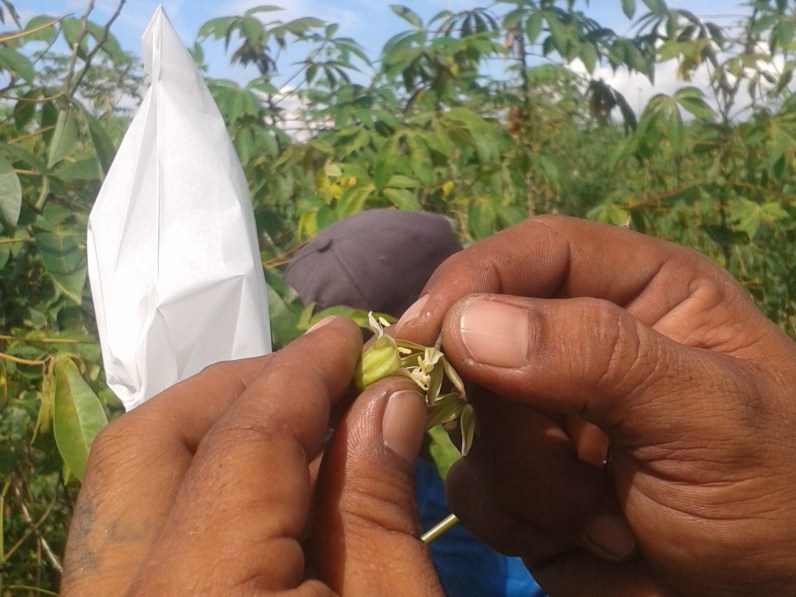
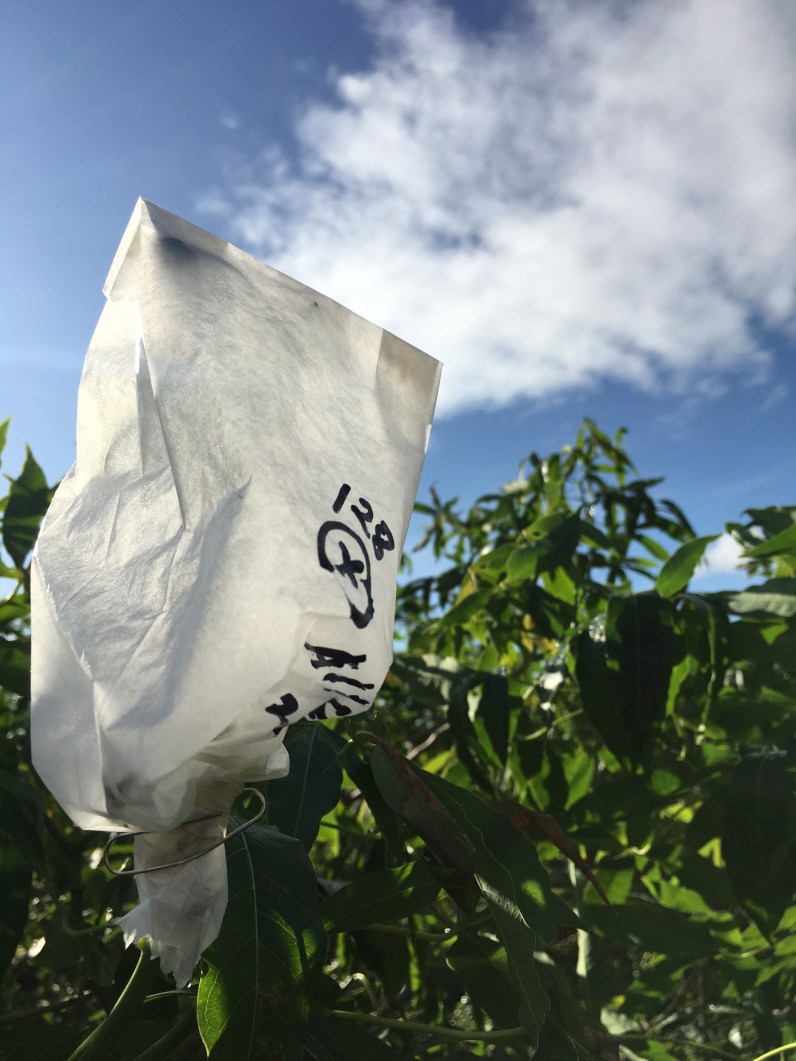
Get one male flower and rub the pollen to the pistil of the female flower. Put label on the glassine bag – include the cross combination and date of crossing. Immediately cover the newly crossed male and female flowers with the labeled glassine bag and secure it with a clip. Male and female flowers are highly receptive between 1:00-5:00pm and therefore pollination is best done during these hours. A male flower can be crossed to three female flowers.

20180201_134024

img_0544

img_0700

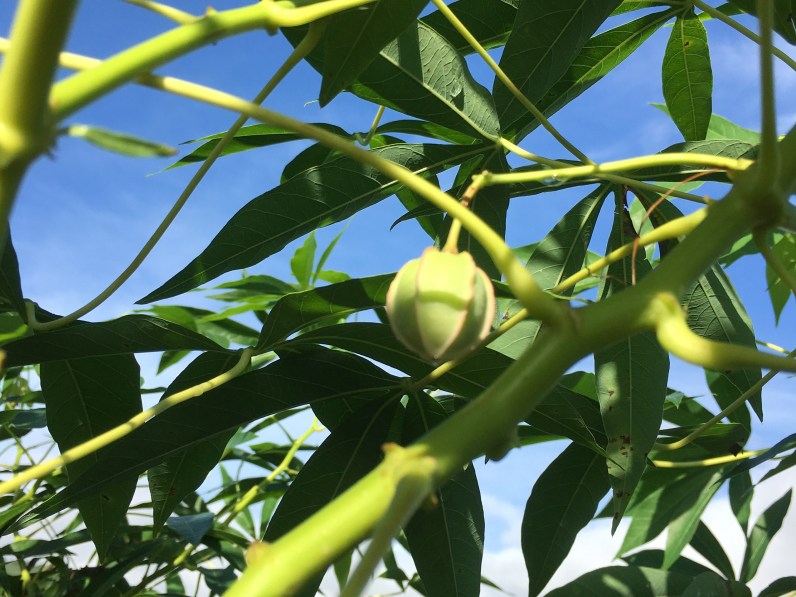
After 1-2 weeks of pollination, cover the crossed flowers with small net bag that will protect the fruit from fruit fly and catch the seeds that naturally fall off at maturity (3 months after pollination.

img_9771
Cassava fruit.

Small space for gardening? Do (SNAP) hydroponics!

Have you considered planting vegetables but you don’t have enough space? Conversion of farm lands to residential space is quite alarming since the increasing population will require more food. Learning to farm with limited space is an advantage because you will know how to produce food with your available area (whether small or large).

Hydroponics is a method of growing plants without soil by using nutrient solution in water. Simple Nutrient Addition Program (SNAP) hydroponics is a low-cost hydroponics system developed by researchers from IPB, UPLB. This system is ideal for growing vegetables in small areas.

To do SNAP hydroponics, you need to establish your seedlings. I previously wrote how to do it here. Now that you have your seedlings, you need to prepare styrofoam/plastic cups (or used coffee cups), knife/blade, coir dust, plastic bag, packaging tape and growing boxes (fruit boxes).

Get your cups and create 4-6 (~1-2 inch long) small slits on the sides near the bottom and dig a hole on the center bottom of the cup. Fill the cups with about 1-inch thick coir dust. Carefully transplant one seedling in the cup with coir dust and lightly press the media around the base of the transplanted seedling. Water the cups with care.

Create holes fitted for your cups – you can either trace the cups and cut it with a blade or use heated tin cans.  Depending on the size of your cup, you can create 6-8 holes on the lid. Line the bottom of the box with plastic (make sure that the plastic entirely covers the bottom to hold the solution). (Note: you can close all openings on the box using packaging tape to prevent entry of mosquitoes).

Put the cups into the holes of the lid on the box created earlier. Prepare your SNAP solution by mixing 25mL of SNAP A to 10 liters of tap water and then stir well followed by an equal amount of SNAP B (with stirring).

Fill the bottom of the growing box with the SNAP solution to a level where the bottom of the cups is touching 1/2 inch of the nutrient solution. Close the bottom box with the lid of the box containing the cups with seedling. Examine the box for any leaks and make necessary repair.

Place the growing boxes to areas with roof (to prevent the rain from getting into the system) but will best receive morning sunlight. Closely monitor the set-up.

Replenish the box with SNAP solution whenever needed.

(source: PJA Santos and ETM Ocampo, UPLB)