A frugal wanderer. Agriculturist. Lover of life and people. Adventure seeker. A typical human being who tries to live a healthy life and is occasionally lost in time and space.
You did not read it wrong. Day 3 is when I made 3 lumpia dishes from toge. But do not worry, day 3 will still be healthy, easy-to-make and budget friendly.
Day 3 of 7:Lumpiang toge
Ingredients (P 130):
1/4 kg toge or mungbean sprouts (P 20)
2 pcs porkchop, cubed (P 40)
2 pcs chicken liver, chopped (P 20)
1 /4 cup tokwa/tofu, cubed
1/2 cup cabbage, chopped (P 10)
1/4 cup carrots, chopped (P 12)
1/2 tsp oyster sauce (P 10)
1/2 tsp honey (optional) (P 10)
1 tsp soysauce (P 5)
1/2 tsp salt (P 1)
1/4 tsp black pepper (P 1)
1 tbsp oil (P 1)
1/2 cup water
Preparation (10 minutes):
In a pan, fry the tokwa in 1 tbsp oil until golden brown. Set aside. While the pan is still hot, fry the cubed fatty part of the porkchop until it turns brown. Set it aside. Remove excess oil. Sauté garlic and onion. Add the fried fat, tokwa, remaining porkchop meat, and chicken liver. Add water. Let it boil until the meat is cooked. Add oyster sauce, soysauce, honey, salt and pepper, then mix the toge or mungbean sprouts. Simmer for 2 minutes before adding the cabbage and carrot. Mix everything and cover.
1st dish: Lumpiang hubad
How to make the sweet sauce (additional cost: ~P 10): In a pot, dissolve 1 tbsp cornstarch in 2 cups of water. Add 2 tbsp soysauce and 1/2 tbsp sugar. Boil the mixture until it thickens. Add 1 tbsp chopped garlic, 1/4 tsp salt and 1/4 tsp pepper. Sprinkle some fried garlic on top if you like.
2nd dish: Lumpiang sariwa
How to assemble (additional P 7 pesos for 5 pcs lumpia wrapper)?: Remove the excess liquid in the lumpia mixture. Simply wrap the mixture in the wrapper. You can make your own lumpia wrapper. But because we want to save time, I just bought one. Add some sweet sauce. Sprinkle with crushed peanut or garlic on top (optional).
3rd dish: Pritong lumpiang gulay
How to assemble (additional cost for the lumpia wrapper, oil and vinegar)?: You just need to deep fry the wrapped lumpia mixture. Wait until it turns golden brown. Serve with your favorite spiced vinegar.
Note: carrot is rich in vitamin A. cabbage is packed with vitamin C and K. mungbean sprouts contain antioxidants and amino acid, protein, fiber, folate, manganese and magnesium. tokwa, chicken liver and porkchop are source of protein. garlic has antibacterial properties while red onion has antioxidants.
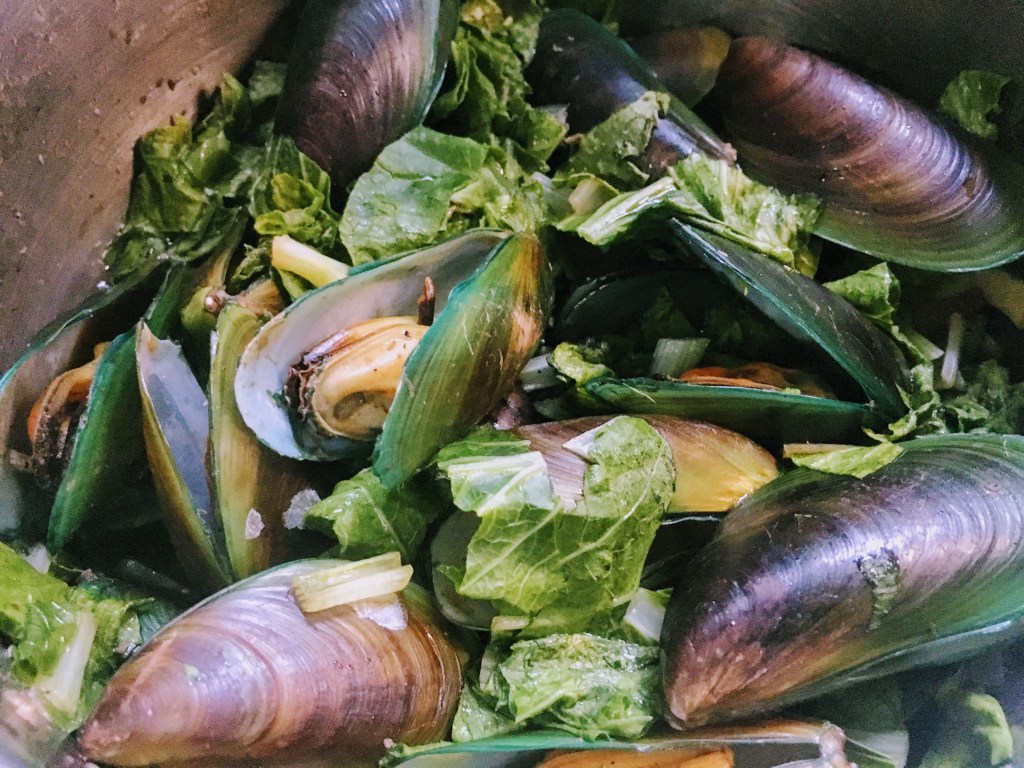
Make sure to wash the tahong (soak them for 30 minutes before cooking so that it will excrete some of its waste) and the pechay (to remove any fertilizer or pesticide residue).
You can opt to sauté garlic, onion, and ginger first before adding the tahong. But, because we are trying to make each viand in this challenge a little healthier, I will always try not to use oil in cooking.
In a pot, mix all the ingredients and wait until it boils (5-6 mins). Then, check if the tahong/mussels, if most of them are already partially open, add the pechay. Mix everything and simmer for 2-3 minutes.
Note: red onion contains antioxidants, garlic has antibacterial property, ginger is rich in vitamin B6 and magnesium, pechay has high vitamins A and C, mussels are low in fat and can be your source of protein , vitamin C and iron, and VERY RICH in cobalamin (vitamin B12).
I am challenging myself to post a blog entry everyday for a week and I decided to post our viand per day during this week…because…why not?
Viand or ulam is a meat, seafood or veggie dish that accompanies rice in a typical Filipino meal. I’d try to make healthy (to boost our immune system), easy-to-make (so that you can still do extra work within the day) and budget-friendly (let’s be practical) dishes.
DAY 1 of 7: Ginisang ampalaya and greaseless fried porkchop
For the ginisang ampalaya:
Ingredients (cost: P38 or 108 if I include cost of ampalaya(60) and tomato (10):
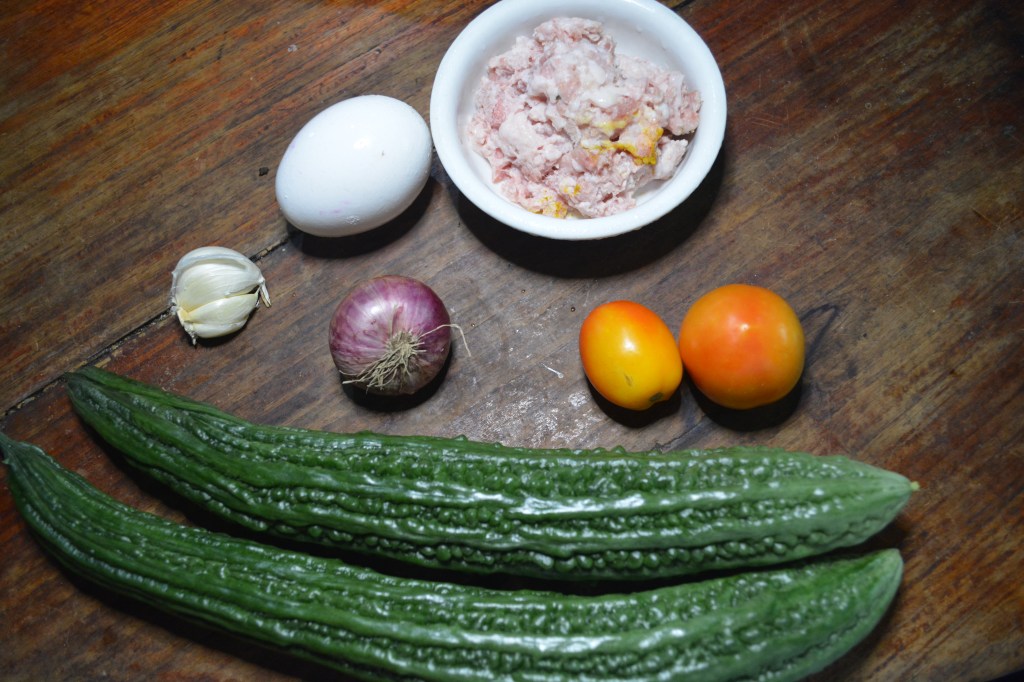
3 medium size ampalaya or bittergourd fruits, sliced (free from our garden)
3 garlic cloves, chopped (P 5)
1 pc red onion, chopped (P 5)
2 pcs tomato, sliced (free from our garden)
1/4 cup ground pork (you can also use ground beef, chicken) (P 20)
1 tsp oil (P 5)
1/2 tsp salt (P 1)
1/2 tsp patis (P 1)
1/4 tsp pepper (P 1)
Preparation (10 minutes):
Put 1 tsp oil in a preheated pan. Sauté garlic until golden brown then add the onion. When the onion becomes translucent, add ground pork and wait until it turns brown. Add the tomato and wait till it is completely mixed with the pork. Then, mix the ampalaya, cover the pant for 30 seconds. While you are waiting for the ampalaya to get cooked, beat 2 eggs in a bowl and add it to mixture. Continue stirring until the egg is cooked.
Note: tomato is rich in lycopene, garlic has antibacterial property, red onion contain anthocyanin, ampalaya is high in vitamin C and A.
For the greaseless fried porkchop:
Ingredients (P 157):
3 pcs porkchop (P 140)
1 tsp salt (P 1)
1/4 tsp pepper (P 1)
1/2 tsp dried oregano (optional) (P 15)
Preparation (30 minutes):
Sprinkle salt, pepper and oregano on both sides of the meat. Leave it for 10 minutes. In a pan (preferably non-stick), place the marinated meat. Cover the pan. Flip the meat every 5 minutes or until golden brown.
Note: porkchop will be your source protein. Make sure not to eat the fat if you have hypertension.
Are you a newbie in applying fertilizers? Here are fertilizer-related mistakes you should avoid:
1. Not knowing the plant’s essential nutrients
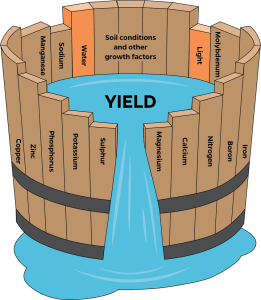
Plants require 17-18 essential nutrients to complete its life cycle. The important thing is that you know the elements needed in large (carbon, hydrogen, nitrogen, oxygen, phosphorus, and potassium), moderate (calcium, magnesium, and sulfur) and small (boron, chlorine, copper, iron, manganese, molybdenum, and zinc) amount. Some of these elements are present in nature while others are not or in unavailable form. You can do further research (highly recommended) on your own.
The barrel below simply shows that yield is limited by the lack of a specific nutrient. Despite abundance of fertilizer you put, if you miss just one essential nutrient, then your plant will suffer.
WHAT WOULD POSSIBLY HAPPEN TO MY CROP? Limited plant growth. Stunted growth, yellowing leaves, premature ripening and death of plant are some you may observe. You are also wasting fertilizer which can harm the plant and the environment.
HOW TO AVOID? Familiarize the needed nutrients of your plants. Do soil testing (if you can) to know the elements that are already present in your soil. If you can’t do soil testing, look into the symptoms of nutrient deficiency of your crop in the web and then compare – e careful in doing this, insects and diseases can also affect plant growth
2. Forms and types
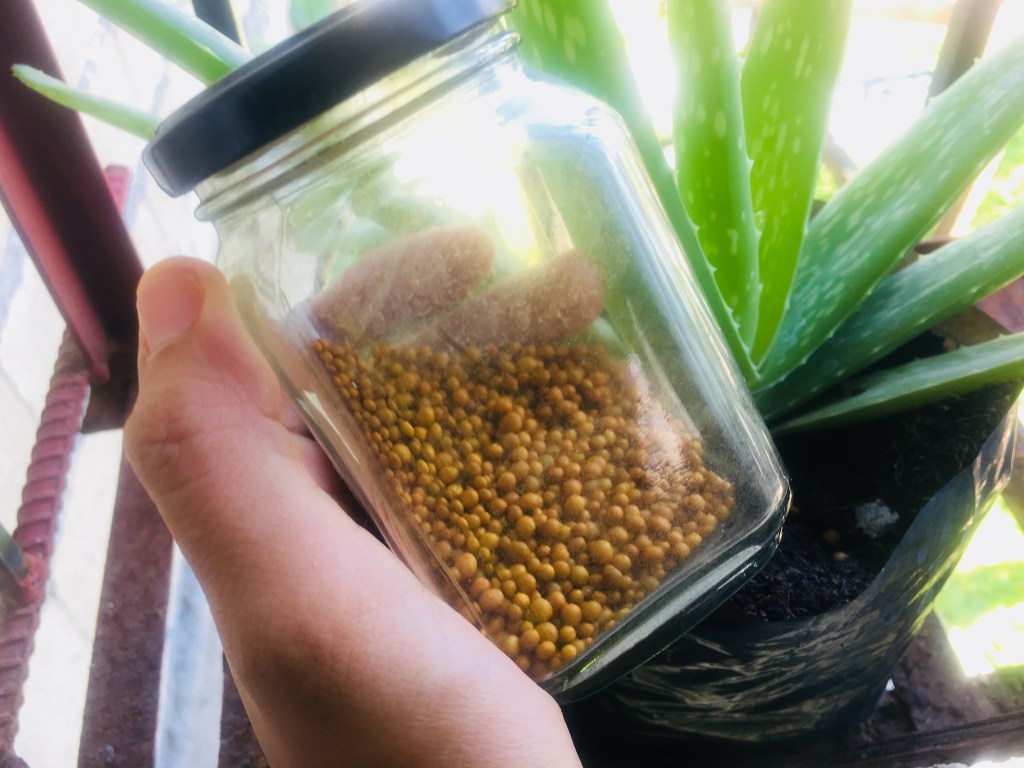
Fertilizers can be organic (e.g. chicken manure, bat guano, fish meal) or inorganic (chemical fertilizers), the former contain little nutrient and needed to be decomposed first while the latter have specific and large amount of nutrient and can be absorbed easily by the plant. Chemical fertilizer usually comes in granular, powder or liquid form.
Plants will not eat/absorb everything you put…the element/nutrient should first be in its available form (ion). Please support my little shop and get your fertilizer in liquid form here (https://shopee.ph/SNAP-Hydroponics-Set-i.86521262.5717286140)! Nutrients in this solution set is in ion form and can be readily absorbed by the plant.
WHAT WOULD POSSIBLY HAPPEN? Plants cannot absorb the nutrient and the lack of it will affect its overall performance.
HOW TO AVOID? Choose the appropriate form and type of fertilizer your crop needs. For plants with fragile roots (e.g. tissue cultured), use slow release fertilizer. If you are going to use manure, apply them ahead of time prior to your planting to allow the nutrient to become absorbable to your plants.
3. Not covering your urea
Urea fertilizers (46-0-0) can be used to increase nitrogen in the soil. Nitrogen is part of the chlorophyll molecule which gives the plant their green color. We know that chlorophyll plays a vital role in photosynthesis, therefore, the greener the plant, the better. However, urea granules are highly volatile which means that if you left them uncovered, the nitrogen can be lost easily to the atmosphere.
WHAT WOULD POSSIBLY HAPPEN? Nitrogen is a macro molecule. If your soil contains very low nitrogen and you decide to apply urea and did not cover them with, then little to no nitrogen will be absorbed by your plant leading to pale green to yellow color of the leaves/plant.
HOW TO AVOID? High soil temperature and pH increases volatility of urea. If you have alkaline soil (high pH) make it neutral first (I haven’t encountered this kind of soil yet so better I just search the net and according to the Eldon Everhart of Iowa State University, you can apply sphagnum peat, elemental sulfur, aluminum sulfate, iron sulfate, acidifying nitrogen, and organic mulches to reduce soil pH). Apply your urea early morning (before 7am) so that the soil temperature is relatively lower. And of course, after application cover urea with soil.
4. Putting directly to the plant/seed
There are fertilizers that came from dragons and can literally burn your seed/plant when put into direct contact – can we command it with ‘FERTICARYS’ (I was kidding when I said they came from dragons. Because winter is coming. lol). Urea and all-ammonium phosphate and those containing with nitrogen and potassium will cause burning in seeds, seedlings and plants if you placed the fertilizer too near to your plant. Fertilizers contain salts and the burn is brought by osmosis principle but I will not go too technical with. It’s already good to know that fertilizers can burn plants.
WHAT WOULD POSSIBLY HAPPEN? Like the picture above, burnt leaves as if you lit them with fire or the sun went spot burning. Seeds will not proceed germination. Death of seedlings.
HOW TO AVOID? Be careful not to let the fertilizer have direct contact with your seed, seedling or plant. If you are going to apply fertilizer before planting the seeds, make sure to cover the fertilizer with soil before putting the seed. Place your fertilizer directly on the soil not on the roots. If you accidentally applied them on the leaves, wash them with water immediately.
5. Location relative to the plant
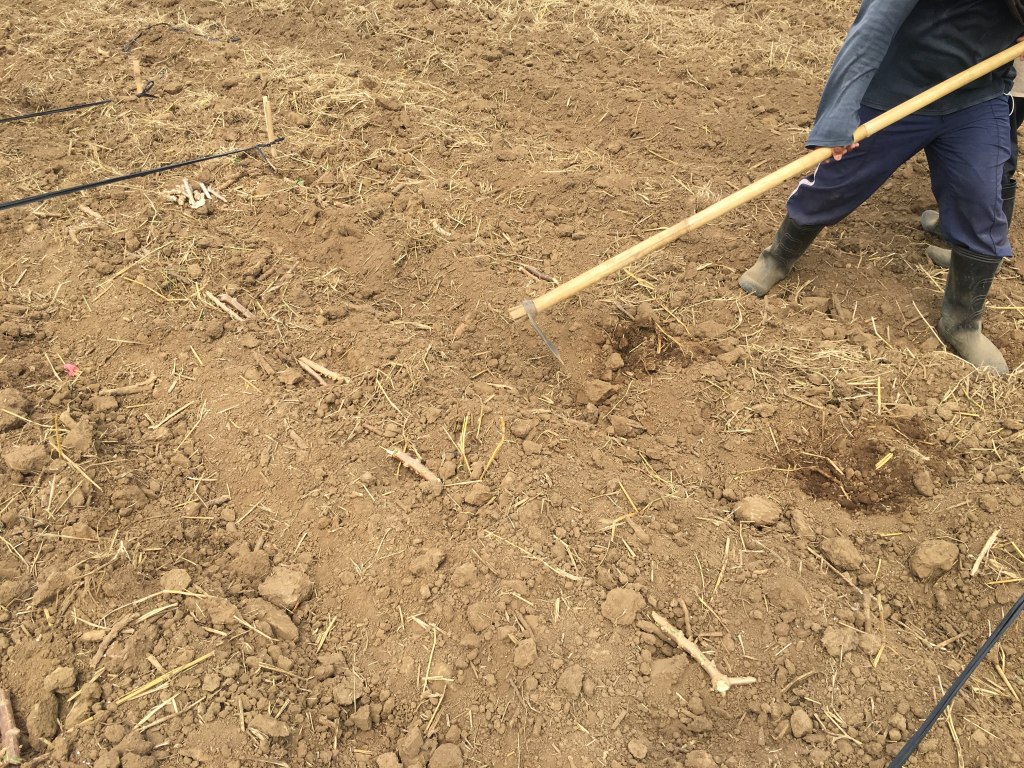
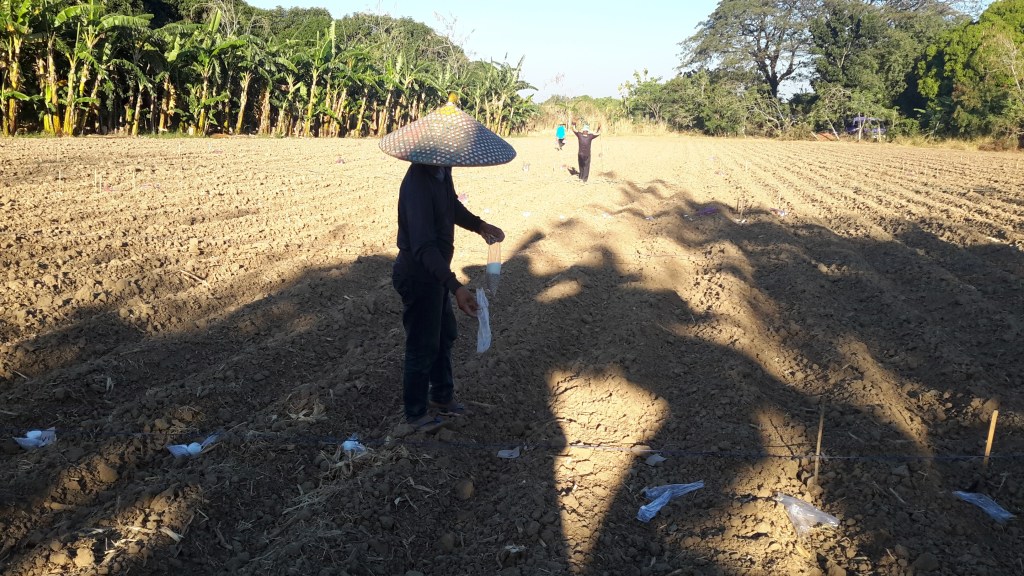
In a garden set-up, fertilizer is applied through 4 different ways. First, broadcast before planting wherein fertilizer is spread evenly and mixed with soil to a depth of 3-4 inches before making rows – this is the least damaging and best way for those gardening at home.
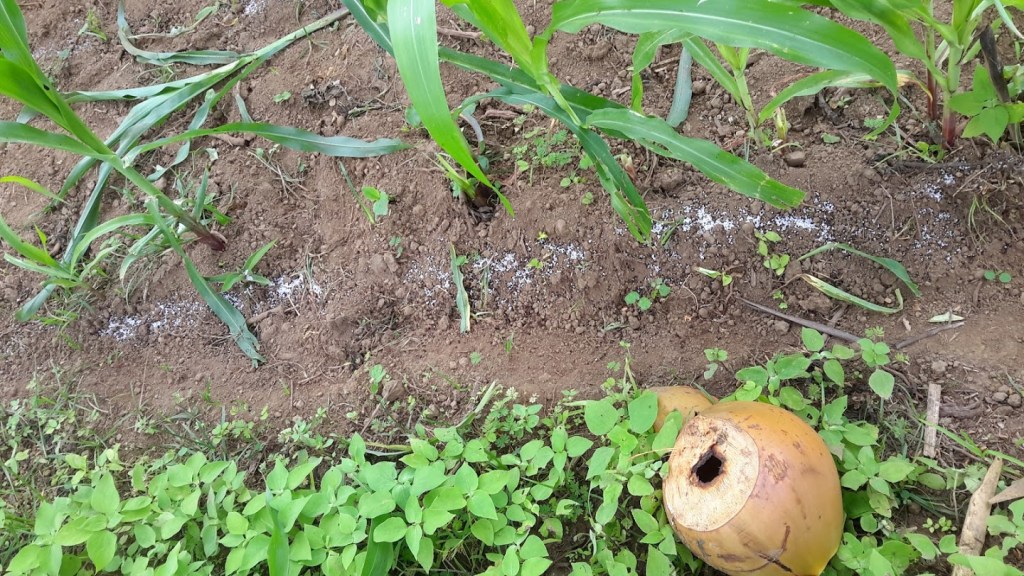
Second, row/band application. You need to be careful when doing this because you are applying fertilizer in a strip to the side of the row before planting – this will prevent the roots in contacting the fertilizer band.
Third, nutrient solution (nutrient in water) – this is only used on transplants like tomato, lettuce and eggplant. In this method, you will need to soak the hole with the solution before transplanting.
Fourth, application to growing plants and this can be done by putting fertilizer granules (avoid the leaves during application and make sure to hill it up after) or sprinkling nutrient solution along the sides of the rows.
The bottomline here is to put your fertilizer near the roots but not too near that you are killing them.
WHAT WOULD POSSIBLY HAPPEN? Fertilizers that are too far from the roots will just leach and little to no nutrients will be absorbed by the plant. On the other hand, placing the fertilizer directly on the seed/root (as mentioned before) will kill your plant.
HOW TO AVOID? Apply the fertilizer on the soil near the root or seed. The best location will be along the sides of the rows. If there are no rows, apply the fertilizer in circle around the plant (distance of the fertilizer from the plant depends on the radius of the rooting zone of your crop).
6. Applying too much or too little
Just like when someone broke your heart and reasoned out that you’re too much or not enough for them. Ouch. Ok. Back to fertilizer. LOL. Plants can suffer lack (deficiency) or excessive (toxicity) nutrient depending on the status of your soil, choice of crop and amount of fertilizer you apply.
WHAT WOULD POSSIBLY HAPPEN? For deficiency of mobile (N, P, K, Mg) and immobile (Ca, Fe, Mn, Zn, Cu, B) elements, you will see symptoms (e.g. yellowing) at the base and the top of the plant, respectively. With toxicity, you may observe some of these: wilting, leaf drying and root tip burn.
HOW TO AVOID? Conduct soil analysis if you can. Know the nutrient requirement of your crop.
7. Timing of application
Right love at the right time. Perfect timing. And just like your fertilizer application, timing is everything. As you’ve learned the basic of your crop, you should know already that there are different growth stages. You cannot plant a seed today, apply fertilizer and expect a bountiful harvest tomorrow. Different crops have different life cycles and therefore the time when you need to apply fertilizer will depend on the crop you planted.
WHAT WOULD POSSIBLY HAPPEN? Lower crop performance than expected since nutrient was not absorbed during the critical stage of the plant. Wasted fertilizer.
HOW TO AVOID? Know the growth stages of your crop and when to apply the appropriate fertilizer
8. Use of partially decomposed organic matter
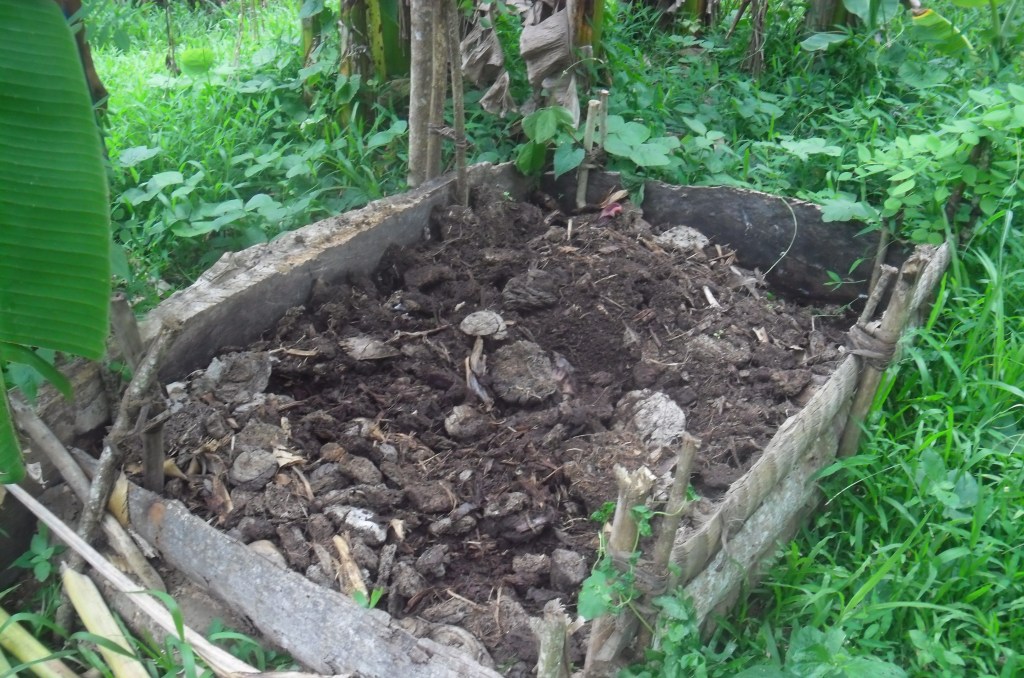
Organic fertilizers are derived directly from plant or animal sources. Examples of these are manures, compost or bone meal. This kind of fertilizer requires proper and complete decomposition (a gradual complex process of breaking down raw materials to finished compost) before you can incorporate this to the soil where you’re gonna plant your crop.
WHAT WOULD POSSIBLY HAPPEN? During the process of decomposition bacteria, fungi, moles, protozoa, actinomycetes and other saprophytic organisms feed upon decaying organic materials. These microorganisms in your partially decomposed organic fertilizer may harm your crop. Also, the microbes warm the soil through respiration. High soil temperature can damage your root system.
HOW TO AVOID? Make sure that your organic fertilizer is fully decomposed before applying them to your field/garden.
——————-
The next time you ask yourself why your plants did not grow despite applying fertilizer, think first on how, when, where, what and how much did you apply.
And if you insist that you did nothing wrong…well…go to your garden again and monitor your area for other factors affecting the growth of your babies/plants.
One Filipina content creator from YouTube mentioned that the next thing she is planning to do after all her flights abroad (due to the pandemic) were cancelled is to travel locally. And I second the motion. When we have a go signal to travel, let’s help boost our local tourism.
Here are places you can consider and let the (no edit, no drone shot, no fancy camera used) pictures speak why they are worth visiting and revisiting:
1. Enchanted River (Agusan del Sur)
2. Sagada (Mountain Province)
3. Kawasan Falls (Cebu)
4. Siargao (Siargao Island)
5. Sipalay (Negros Occidental)
6. Coron (Palawan)
(photo not mine cause I haven’t crossed this one from my bucket list)
7. Sablayan (Occidental Mindoro)
8. Dingalan (Aurora)
9. Maniwaya (Marinduque)
10. Gigantes Island (Iloilo)
11. Caramoan Island (Camarines Sur)
12. Daraga (Albay)
13. Seven Lakes in San Pablo (Laguna)
14. Laiya (Batangas)
15. Cagbalete (Quezon)
16. Zamboanga City (Zamboanga Peninsula)
17. Samal Island (Davao del Norte)
18. Patapat Viaduct (Ilocos Norte)
19. Hundred Islands (Pangasinan)
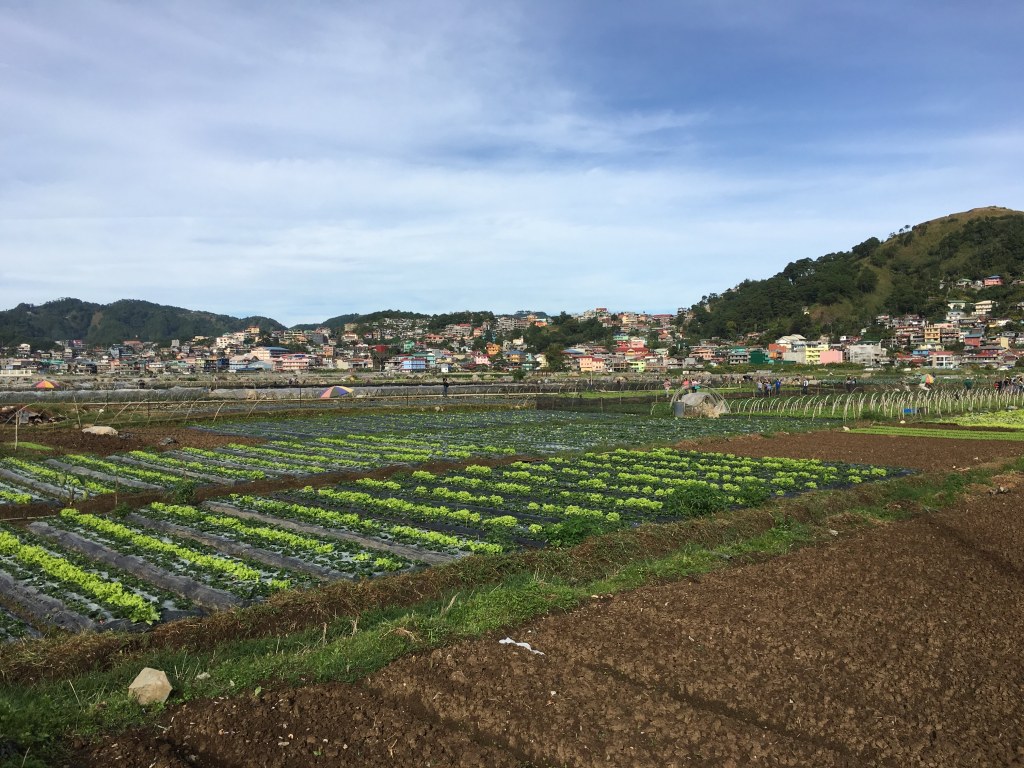
20. Baguio City (Benguet)
The crisis we are facing is no big joke. Let us pray. Stay at home. Travel later (when everything is ok). Also, do not forget to support our local products!
You read that right. You can be a farmer even if you live at the top most room of a building. One of the ways is to do hydroponics. Here’s a crappy-but-the-idea-is-there (lol) tutorial on how to create a soil-less system:
You can also improvise other materials to create your soil-less garden – like using pale or tin cans. And because you are in a soil-less system, your plants need essential nutrients. You can order your nutrient solution here: https://shopee.ph/SNAP-Hydroponics-Set-i.86521262.5717286140
Once you have the system…you are now ready to grow these 15 veggies:
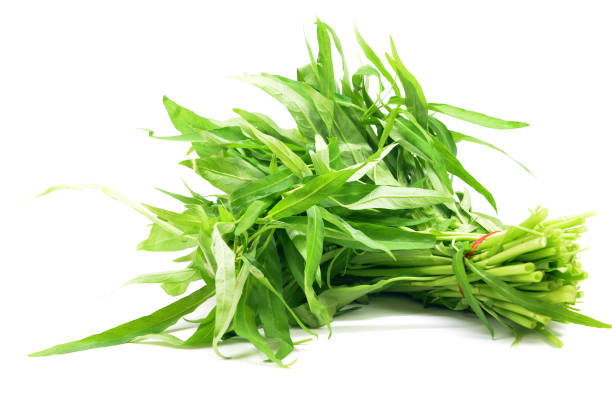
1. Kangkong (Ipomoea aquatica)
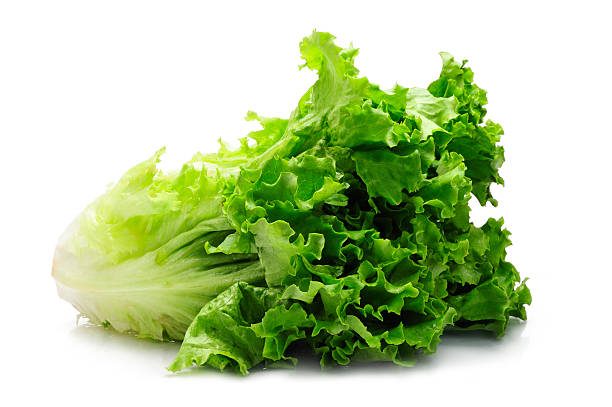
2. Lettuce (Lactuca sativa)
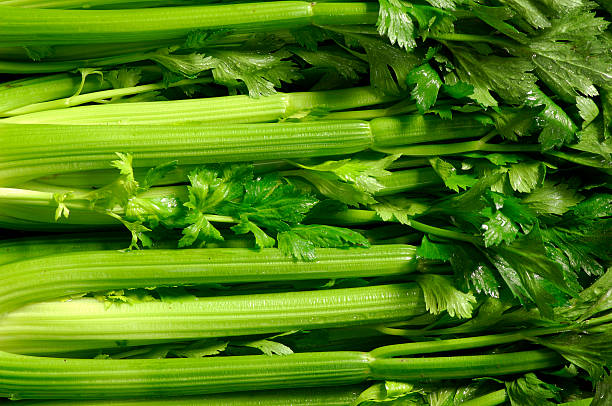
3. Celery (Apium graveolens)
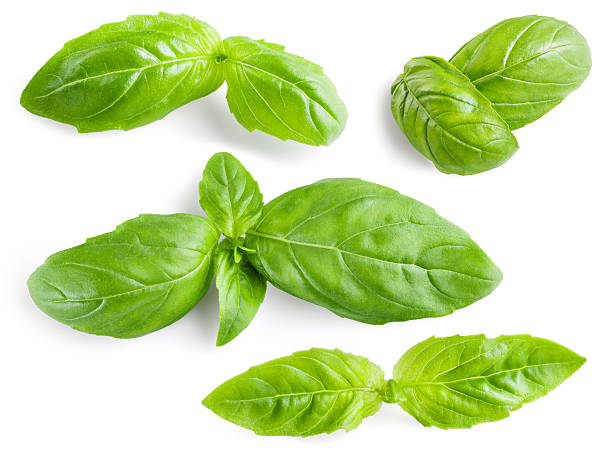
4. Basil (Ocimum basilicum)
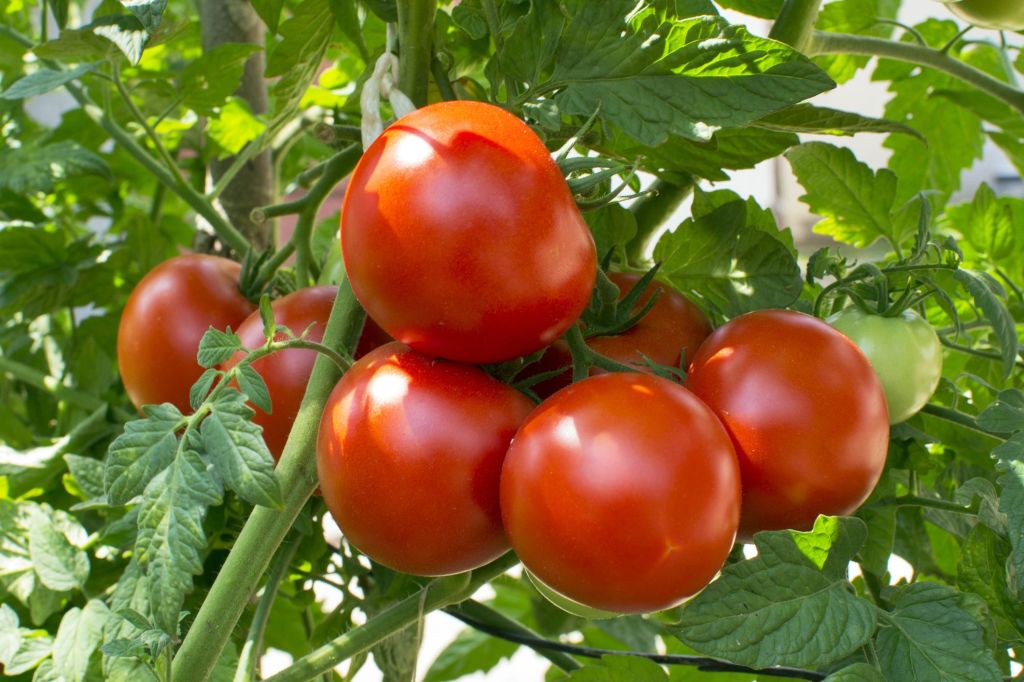
5. Tomato (Lycopesicon esculentum)
6. Pechay (Brassica rapa)
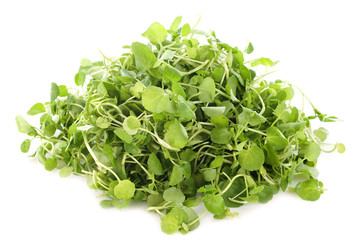
7. Watercress (Nasturtium officinale)
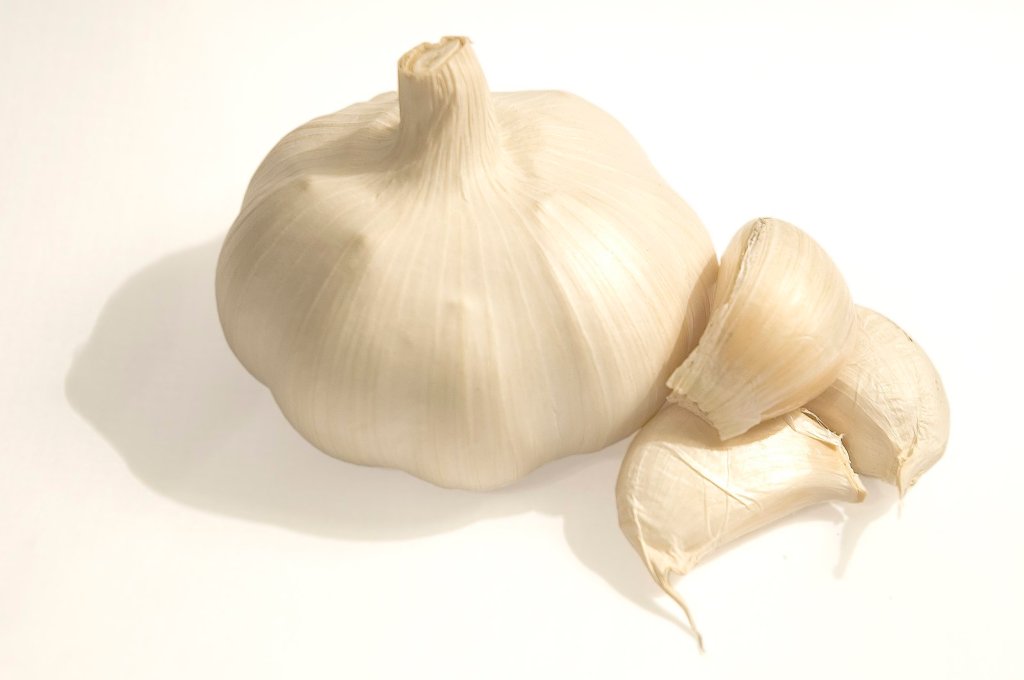
8. Garlic (Allium sativum)
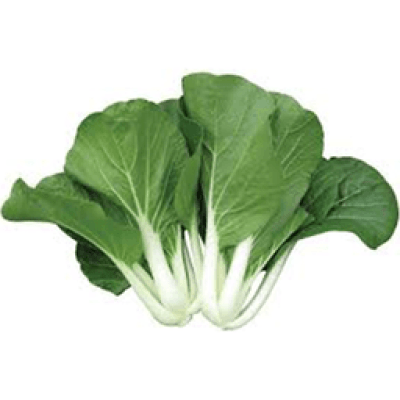
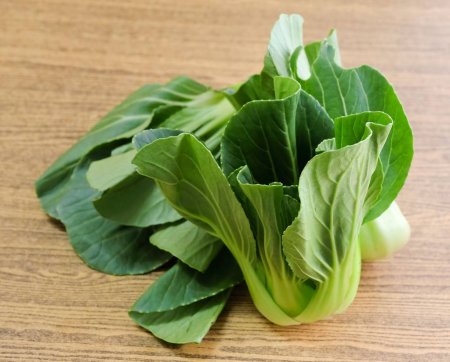
9. Pakchoi (Brassica rapa)
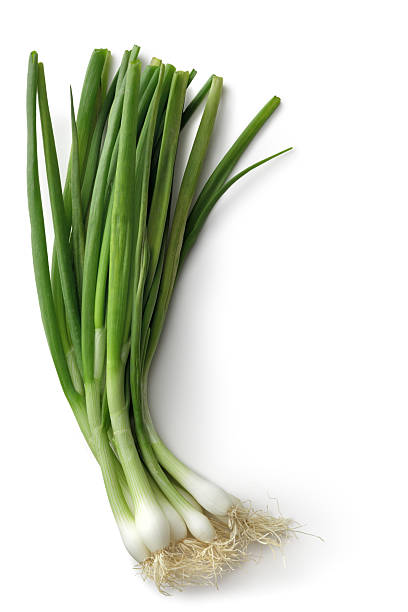
10. Spring onion (Allium fistulosum)
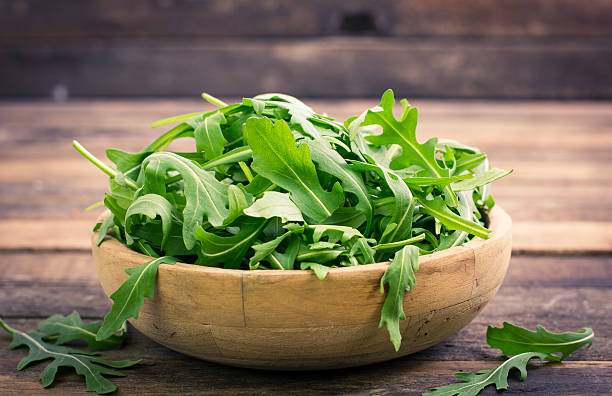
11. Arugula (Eruca vesicaria ssp. sativa)
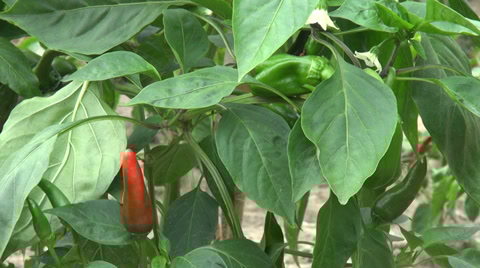
12. Pepper (Capsicum annuum)
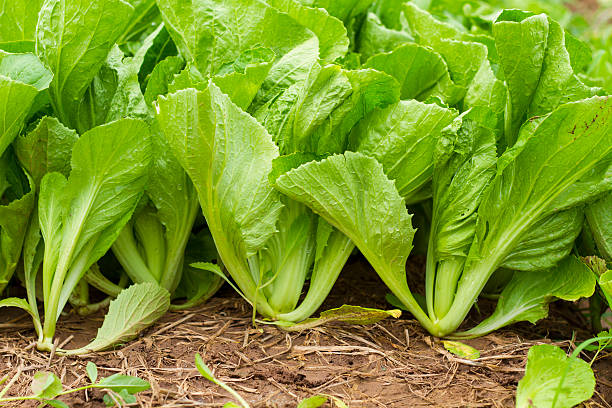
13. Mustasa (Brassica juncea)
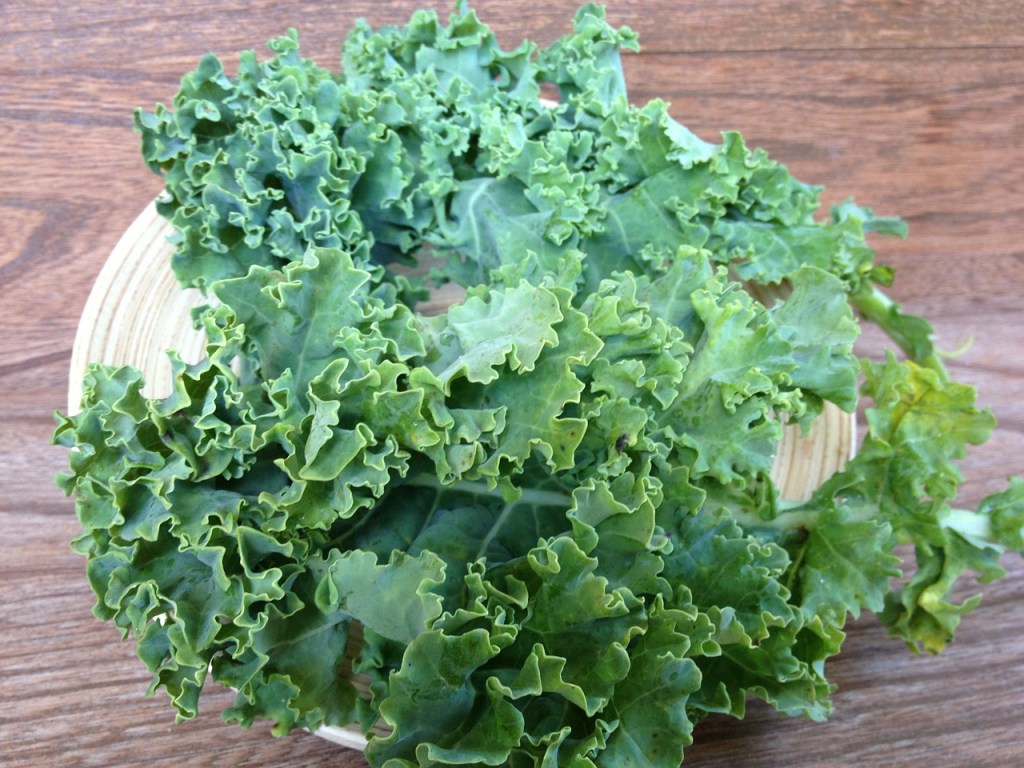
14. Kale (Brassica oleracea var. sabellica)
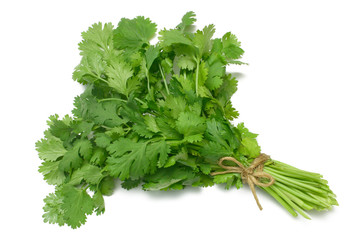
15. Coriander (Coriandrum sativum)
Most of these veggies have small root system that is why you can grow them even without soil. Enjoy soil-less gardening!
Are you done with all your TikTok vids and looking for other things to do? Why not try to be a farmer during this quarantine period or even after? Some of you are planning to grow plants and others have already started their mini farm. If you are a newbie farmer, here are some points to remember:
1. Have a get-to-know phase
Choosing a crop you want to plant is easy. Seeds are available in the supermarket and also from the veggies you bought yesterday. However, you need to do a little research on the crop you want to cultivate – from seed to harvest.
Some plants have little to no seeds because they are cultivated in other form – in cassava for example, stem cuttings are used as planting material.
3. Let there be light!
Photosynthesis is a thing we were taught since grade school. Basically, plants need sunlight to grow. So plant where there is light.
But, be mindful about your crop. Some crops love extreme sunlight while others are happy with a little ray of light.
4. Do some catching up (visit and talk)
After a successful germination, do not leave them like what your ex did to you. LOLjk. I wasn’t kidding when I said that do not leave them for good. Visit them from time to time and check their condition, and (this may sound weird)talk to them…some say plants grow well when you do this.
5. Feed them
Fertile soil is good for your plant but when you observe yellowing on the leaves (with no insects or diseases), they may be suffering from lack of nutrient (like nitrogen). When this happens, you can put a little fertiliser like (14-14-14) or urea (46-0-0).
If you observed low soil fertility prior your planting and you did some composting, add those to your soil (make sure they are fully decomposed) before planting.
6. They get thirsty
Plants are approximately 95% water so they get thirsty. High temperature these days will easily dry out your soil and will eventually dehydrate your plant leading to death. Quench their thirst by watering your plants early in the morning and late in the afternoon.
7. You want to breathe? And so they are!
Sometimes we feel overwhelmed by so many things and we want to breathe for while and I am telling you…your plants want to breathe too. Have you watched the K-dram ‘She Was Pretty’? There was a scene there wherein they grew an onion with smiley face in water…I tried doing it…but sadly the onion died. And this was probably because of hypoxia or lack of oxygen in the root.
My point here is to give your plant air. Dig the soil around your plant (make sure not to damage the roots) to release some compaction of soil and allow air to flow.
8. Protect them (from pests)
Pests are those damaging your plants to the point that you are left with little to no harvest. Control the pests. If they are still manageable, you can just pick them with your hands.
You can also plant some insect repellant plants like marigold. Or concoct your own natural insecticide (available in the internet). If you observed disease in your plants, remove and burn them. During your next cropping season, plant clean materials or try crops that are not the same family as your previous one.
9. Be gentle…they have feelings too
As you progress in your farming activities, these plants will grow in no time. You will apply good cultural practices you found during your search like pruning, weeding or bagging. When you do, be gentle, some plants are sensitive and brittle. Your days of growing them will be put into waste if you are careless.
10. Understand their maturity
Different plants may have varying maturity. As I mentioned earlier, it is imperative to know your crop before planting. It is also important to know when they will mature. There are crops with dual purpose like sweet potato – you can harvest camote tops as early as 30 days from planting while the roots are harvestable after around 90 days.
Some crops develop bitter taste when you prolong their harvest time or when the timing of harvesting is not appropriate.
11. Diversify
Plant several crops. There was a study that even a small area can house up to 9 different crops. This technique will give you variety of vegetables with different nutrient components. And since they are different from one another, you can program a daily harvesting of different veggies. Diversified garden may also lower incidence of pests and diseases.
Farming will be your daily source of sun, healthy food, and exercise. If you do not have land with soil in your place…you can try doing hydroponics…I did a vid on how to do easy DIY hydroponics (below) – it’s kinda crappy but the basics are there.
This pandemic has caused empty racks of vitamin C supplements. So, I did a little research about natural and cheaper alternative source of vitamin C….
But first…what is vitamin C and what does it do?
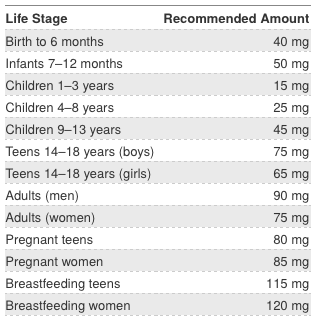
> vitamin C is a water-soluble nutrient in some foods. It acts as an antioxidant in the body to protect the cells from the damage caused by free radicals. It also helps in healing wound, improves absorption of iron and boosts immune system to protect the body from disease.
> vitamin C is sensitive to light, heat, and air and can be destroyed during food preparation (so I chose fruits that can easily be found in the market or at your/neighbor’s backyard so they can be served raw)
Note: I created this post to help people find an alternative source of vitamin C. Also, do not forget to eat a balanced diet, drink lots of water (8-10 glasses/day), exercise and get enough sleep (7-8 hours).
Disclaimer: I am not a registered nutritionist-dietitian nor a doctor. The information above is based on some literatures I found and should not take the place of medical advice.
*photos are not mine, credits to owners
**references – full article is available online, just search the author and the fruit
Viruses and other diseases have taken its toll on societies and economies. Do not let any sickness beat you. Protect yourself and your loved ones by eating healthy-but-won’t-break-the-bank foods. The following are mixed of vegetables and fruits that are rich in vitamins, minerals and antioxidants. You might even get surprised that you are ignoring them in front of your house or the roadside going to work.
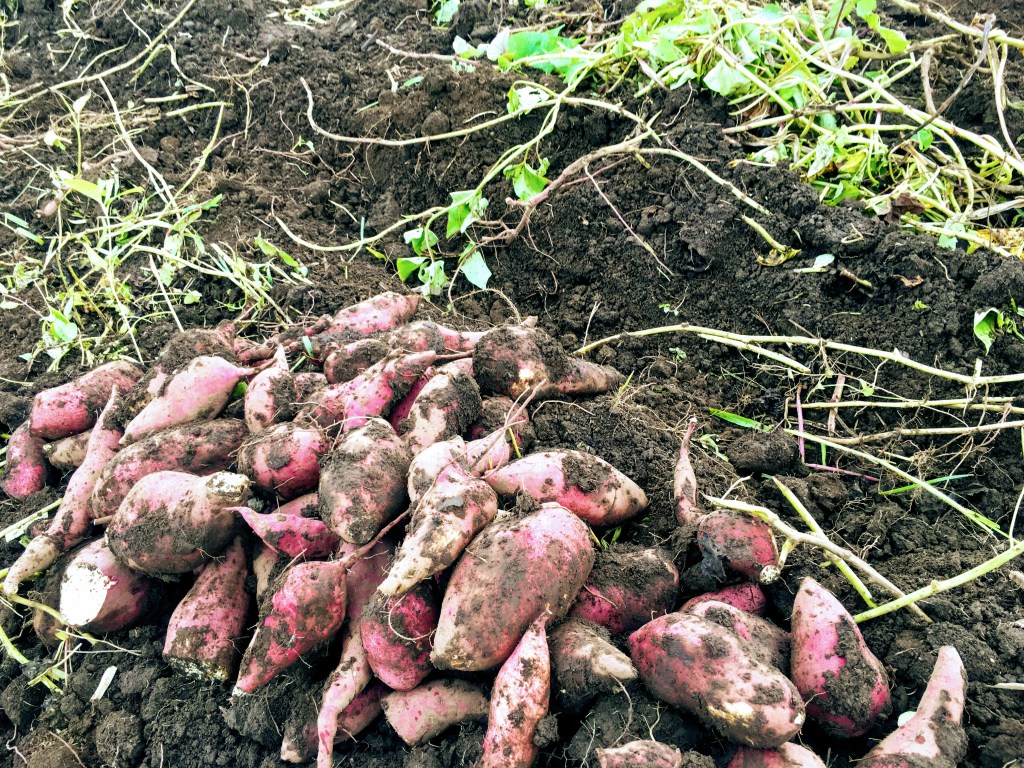
1. Camote/sweet potato tops (Ipomoea batatas)
Camote tops are good source of protein, niacin, calcium, iron, vitamin A, B6 and C, thiamin, riboflavin, folate, magnesium, phosphorus, potassium and manganese. Camotecue got you for your dessert!
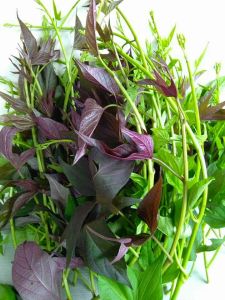
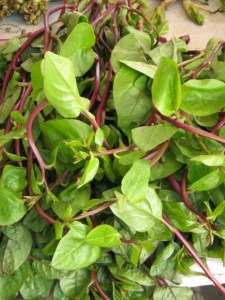
2. Alugbati (Basela alba)
Have you seen some purple vine creeping on your gate/wall? Take a closer look and if they are indeed Alugbati, well you have a free source of macronutrients, vitamins and minerals.
3. Saluyot (Corchorus olitorius)
The slimy Saluyot may not be appetising to others but your body will thank you for this very nutritious veggie. The leaves are rich in beta-carotene, phosphorus, iron, calcium and vitamin c.
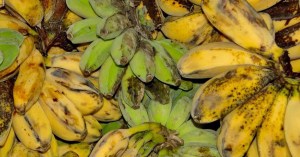
4. Banana (Musa acuminata x balbisiana)
This fruit is not just for those who want to lose weight or need additional potassium. Saba bananas are low in fat and protein bu they are good source of vitamins B6 and C, magnesium, copper and manganese.
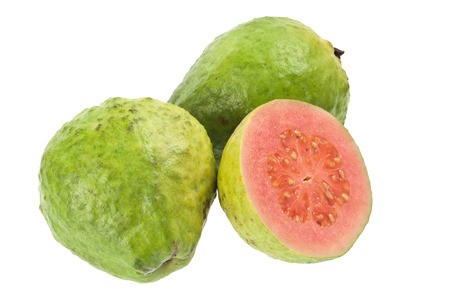
5.Guava (Psidium guajava)
In the province, kids climb guava trees to pick and eat some of its fruits. Guava is a traditional remedy that is used for ages and scientifically proven. Get your daily dose of vitamin A and C, potassium and dietary fiber from raw guava fruit.
6. Tomato (Solanum lycopersicum)
This famous vegetable fruit in our list is rich in antioxidant lycopene that has been linked to reduce risk of heart disease and cancer. Tomatoes are also source of vitamin C and K, potassium, and folate.
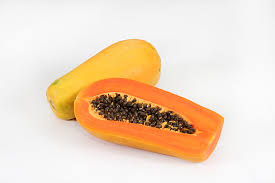
7.Papaya (Carica papaya)
Papaya isn’t the best tasting fruit but it boasts several health benefits. This soft tropical yellowish-orange fruit contains calcium, magnesium, potassium, zinc, folate, vitamin A, C, E, and K.
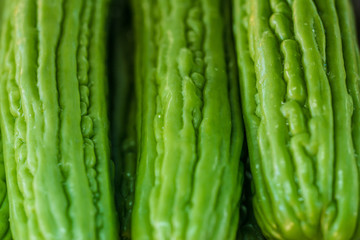
8.Ampalaya/bittergourd (Momordica charantia)
Relative of your zucchini, squash, pumpkin and cucumber, this veggie will be your taste buds’ least favourite but your immune system will thank you . Ampalaya is rich in vitamin C. The fruit also contain vitamin A, folate and antioxidant compounds.
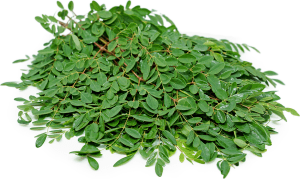
9.Malunggay (Moringa oleifera)
Malunggay is not only for lactating mom. It has received praises over years due to its health benefits. The plant is used as ingredients in traditional herbal medicine and an excellent source of riboflavin, iron, vitamins B6 and C.
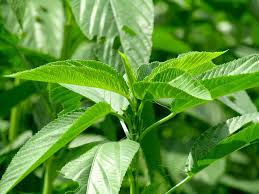
10. Cassava leaves (Manihot esculenta Crantz)
In some areas, young cassava leaves are eaten as vegetables. This plant part contains up to 10x the amount of protein found in the roots, low in calories but rich in fiber, and good amount of vitamins B and C. Process the leaves well to remove toxic compound.
11.Okra (Abelmoschus esculentus)
Before you ignore the slimy okra, consider that this veggie contains a lot – vitamin K, potassium, sodium, vitamin C, thiamin, magnesium, calcium, vitamin B6, folate, vitamin A, iron niacin, phosphorus and copper. Did you catch your breath?
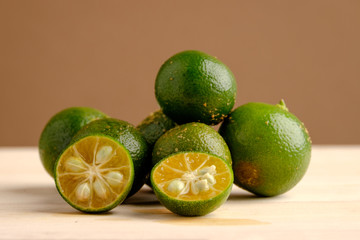
12.Calamansi (Citrofortunella microcarpa)
Calamansi is a citrus fruit native to the Philippines. Do not underestimate this cutie because this could protect you from common cough and cold since they are rich in vitamin C. The fruit also contains phosphorus, calcium and vitamin A.
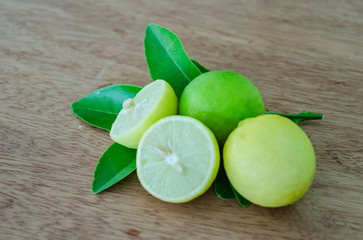
13.Dayap (Citrus aurantifolia)
Remember how Don Juan squeezed some dayap juice to his wound to fight sleep brought by the singing magical bird Adarna? One dayap or lime can provide 32% of vitamin C needed in a day that will help you fight harmful, disease-causing free radicals cells.
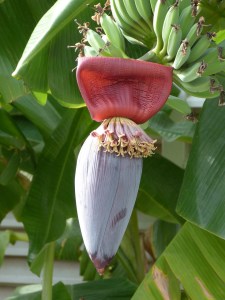
14.Puso ng saging (Musa sp.)
Banana blossoms are valuable source of vitamins A, C, E, potassium, minerals, fatty acid, flavonoids, saponin, essential and non-essential amino acid and other antioxidant compounds. Well I guess I can’t get tired of the ‘saging lang ang may puso‘ hugot line.
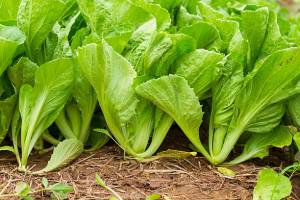
15. Mustasa (Brassica juncea)
Just like the mustard condiment, its leaves can give peppery and spicy flavour. These fat and cholesterol-free mustard greens are rich source of vitamin K, A and C and important minerals such as calcium and manganese.
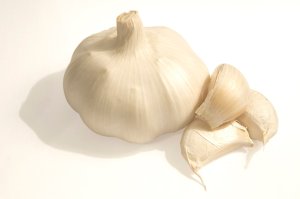
16.Garlic (Allium sativum)
Research supports the age-old spice and cooking staple bulb’s potential antibacterial properties and its ability to control cholesterol-causing lipids in the blood. It is also rich in antioxidants which may reduce the risk of chronic illnesses.
17. Katuray (Sesbania gradiflora)
Katuray flowers can be white, pink and red in color. Its leaves, flowers, seeds and pods are edible but flowers are the most commonly consumed plant part. The flowers contain vitamin C, vitamin B9, iron, selenium, vitamin B1 and vitamin B2.
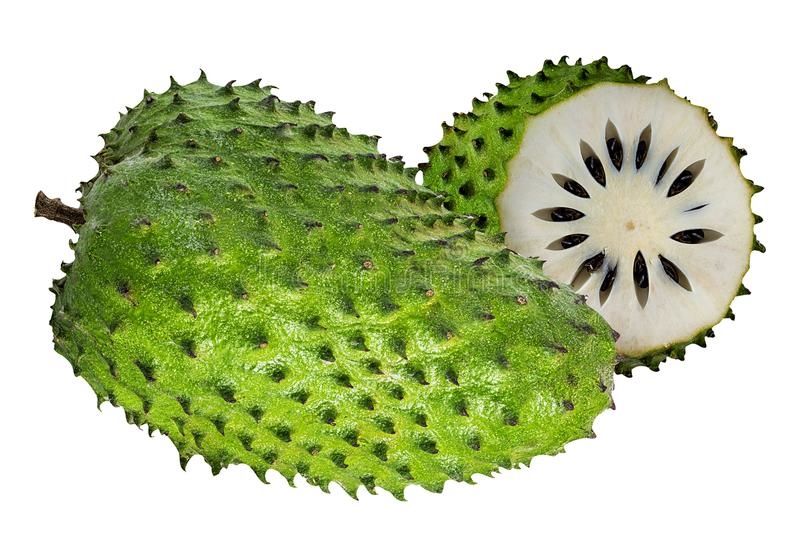
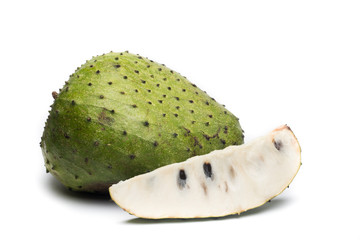
18. Guyabano/soursop (Anona muricata)
Typically eaten raw. This fruit is an excellent source of vitamin C, potassium, magnesium, thiamin and small amount of niacin, riboflavin, folate and iron. Leaves, fruits and stems are used medicinally.
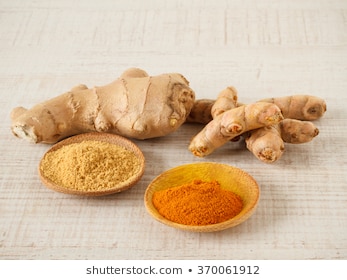
19. Luyang dilaw (Curcuma longa)
You won’t mind staining your clothes as turmerics are packed with health benefits. It has been used in traditional medicine due to its anti-inflammatory and anti-microbial properties. Turmerics are also good source of vitamins and antioxidants.
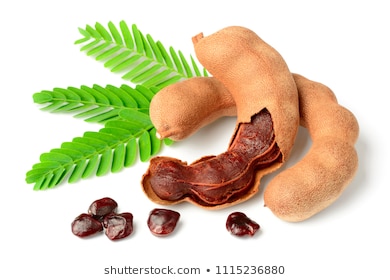
20. Sampaloc/tamarind (Tamarindus indica)
Unripe and ripe sampaloc/tamarind can both be utilised. The former gives sour flavour to sinigan while the latter is consumed as dessert. This low-glycemic fruit offers beneficial nutrients such as vitamins B and C, potassium, magnesium, thiamine and iron.
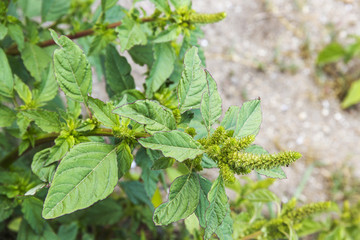
21. Kolitis (Amaranthus viridis)
Amaranths are highly nutritious. There is also another variant of this – the one with thorns (Amaranthus spinosus). Manganese in amaranths exceed daily needs with just one serving. The plant also contains magnesium, phosphorus, selenium, copper and iron.
These foods may supplement your body’s required vitamins and nutrients but it is important to take note that it is best to take a balanced diet. Also, drink plenty of water, exercise and get enough rest. Stay healthy, everyone!
Did you cross out most of your travel destinations last 2019? Or are you planning your #2020TravelGoals? I listed some places worth visiting in the Philippines from A-Z and you might want to consider them on your next trip!
A – Argao, Cebu
The Archdiocesan Shrine and Parish of Saint Michael the Archangel or Argao Church located in the municipality of Argao was established in 1703. Aside from the coral stone church, there is also other stuff to enjoy around like the watchtowers, plaza, gates and walls, L-shaped building (formerly known as Palacio), and mortuary chapel.
Simala Church and Dalaguete Beach are just 20-km (30-min ride) away from Argao church. I assure you, no time will be wasted visiting these nearby tourist spots.
B – Banaue, Ifugao
Did you know that the scene where Thanos (Avengers: Infinity War) exiled himself to work as farmer and reflect on his loss was shot in the Philippines’ famous Banaue Rice Terraces? Are you burnt out from work? Pack your bag now and go to Banaue! Get ready to calm your mind, body and soul because even the most scary and troubled villain found peace in this place.
Plus, be amazed by the fact that indigenous people from the province built this terraced rice paddies that look like giant stairways on the slopes of a mountain using minimal equipment.
C – Callao Cave, Tuguegarao
The cave does not only promise the best limestone walls, the top view will leave you in awe. Get the best angle of the Pinacanauan River from above and below (try a wooden boat ride).
The trek inside the cave is easy and titas/titos of *insert city/town* will enjoy more while sweating a little .
D – Dingalan, Aurora
If your pocket doesn’t allow you yet to travel Batanes, then you might consider this alternative one. Dubbed as Batanes of the East, Dingalan is a place for those adventurous folks who want to relax and stay away from city lights.
Prepare yourself for a trek and a breathtaking taking view. No words could describe how I felt when I reached the top. Too good to handle.
E – Esperanza, Agusan del Sur
Patpatangan Cold Spring, Calahian Lake, San Vicente Falls and Manlangits Lake are the top destinations in Esperanza TripAdvisor will suggest. But more than the tourist spots, the large scenic agricultural land will give you a break from the large buildings in the urbs.
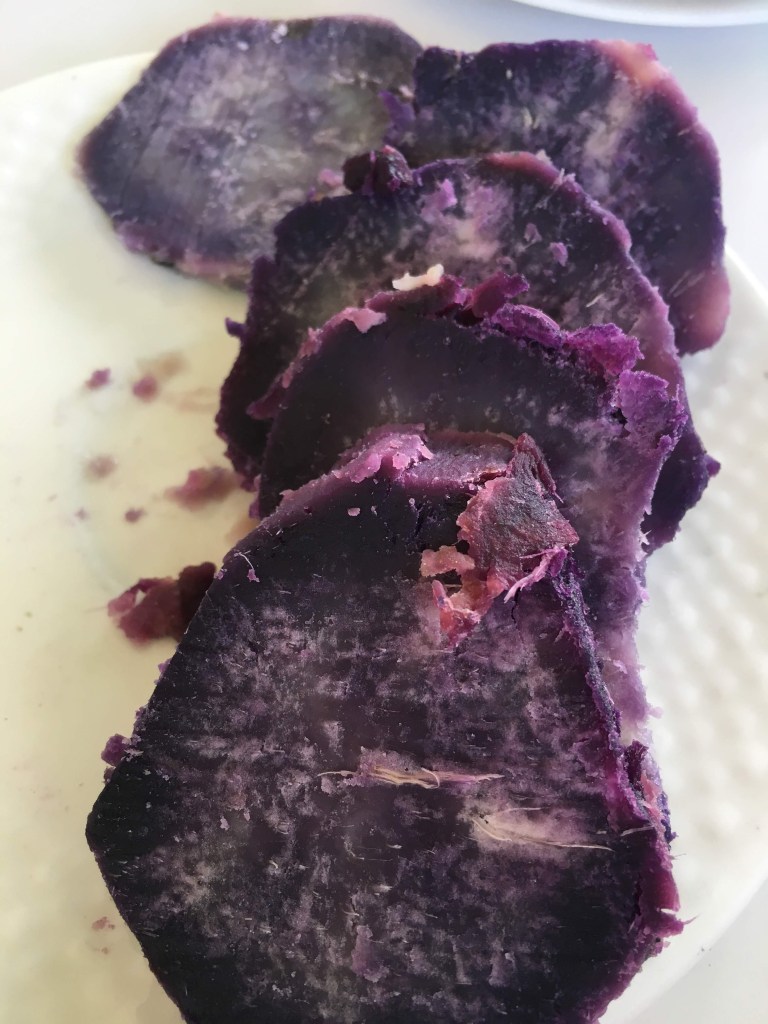
Do not forget to try some of their local delicacies! Tired of your common camotecue? Look for the sweetest purple sweet potato some carenderias in the area offer.
F – Fort Santiago, Manila
Stop for a while your fast paced lifestyle and travel back in time. This citadel was built in 1593 by navigator and governor Miguel López de Legazpi in Intramuros, the walled city of Manila. More than the ig-worthy backdrop, the fort is one of the most important historical sites in Manila.
Also, you may add the National Museum to your itinerary. The museum is just a few minutes walk/ride and free of entrance fee.
G – Gumaca, Quezon
This first class municipality is nestling at the foot of the Sierra Madre range and is widely known as a heritage town due to ancestral houses and old structures that abound the area. Include to your list the picturesque San Diego de Alcala Fortress (Kutang San Diego), a recognised national treasure by the National Historical Commission since 1981.
Going to Gumaca, you’ll traverse a long road showcasing the vast ocean. Unleash your inner Dyesebel or Aquaman and say hi to the mermaid sitting on the rock at Atimonan, Quezon. Also, there are nice beaches with black sand nearby.
H – Hinatuan, Surigao del Sur
The Philippines has a lot to offer in terms of hashtag-travel-goals destination, so why bother going to the same location every year? Hinatuan river could give you a clear as its water answer. True to its name, the river is so enchanting you can’t resist from coming back. Prepare your heart from skipping a beat upon seeing this magnificent river.
Quick advice: if you’re planning to visit Tinuy-an falls and Hinatuan River on the same day, start with the former. Both destinations are good but Hinatuan river is just sooo good you might end up not enjoying Tinuy-an falls.
I – Isla de Gigantes, Iloilo
Located off the coast of Carles and Estancia towns in northeastern Iloilo, Isla de Gigantes or the islands of giants has the beautiful seascapes and island lifestyle perfect for the summer vacation you are looking forward since last year. I promise you, that “extra mile” (as it takes at least 5 hours to get there from Iloilo City) will be worthy.
Seafood lovers will surely love the place. Get scallops for PhP 1.00 per piece.
J – Jordan, Guimaras
Jordan is the commercial center of the island and has a wharf closest to Iloilo City. There are a lot to explore in Guimaras Island such as beaches and light houses, islets and caves. Also, add the Trappist Monastery and San Lorenzo Wind Farm on your list.
Never leave the place without tasting their mangoes which is said to be the sweetest not just in the Philippines but also in the world.
K – Kabacan, Cotabato
Its name came from the word ka-abacan which means the source of abundance since people from far barangays used to go here to brought back home commodities from their livelihood. Despite all the not so good news from the area, treasures can still be found like the campus of University of Southern Mindanao and Pisan Cave.
Did you know that Kabacan is known as an Ilocano-speaking area because more than half of its population are Ilocano?
L – Love Beach, Occidental Mindoro
Sorry to disappoint you, but Love Beach does not offer love life. LOL. But, if you have enough white beaches and night life on your itinerary, then you might consider this one. Calm your mind with black sand, salt water, and sunset of this beach. At night, meditate with the waves and wind and allow them to carry all your worries.
After a day or two and you found yourself looking for more adventure, you might consider going to Sablayan to have an island-to-island zipline, and scuba diving at Apo Reef and Pandan Island.
M – Maniwaya, Marinduque
Knock! Knock! Who’s there? Maniwaya. Maniwaya who? “Maniwaya ka sanang minamahal kita…woooh”. LOL. The island’s beauty is no joke. Witness different hues of blue and watch fishes just a few meters from the shore!
Palad Sandbar, Ungab Rock Formation and Mongpong Island are potential addition to your itinerary (if you still have time) as these places are not far away from Maniwaya Island.
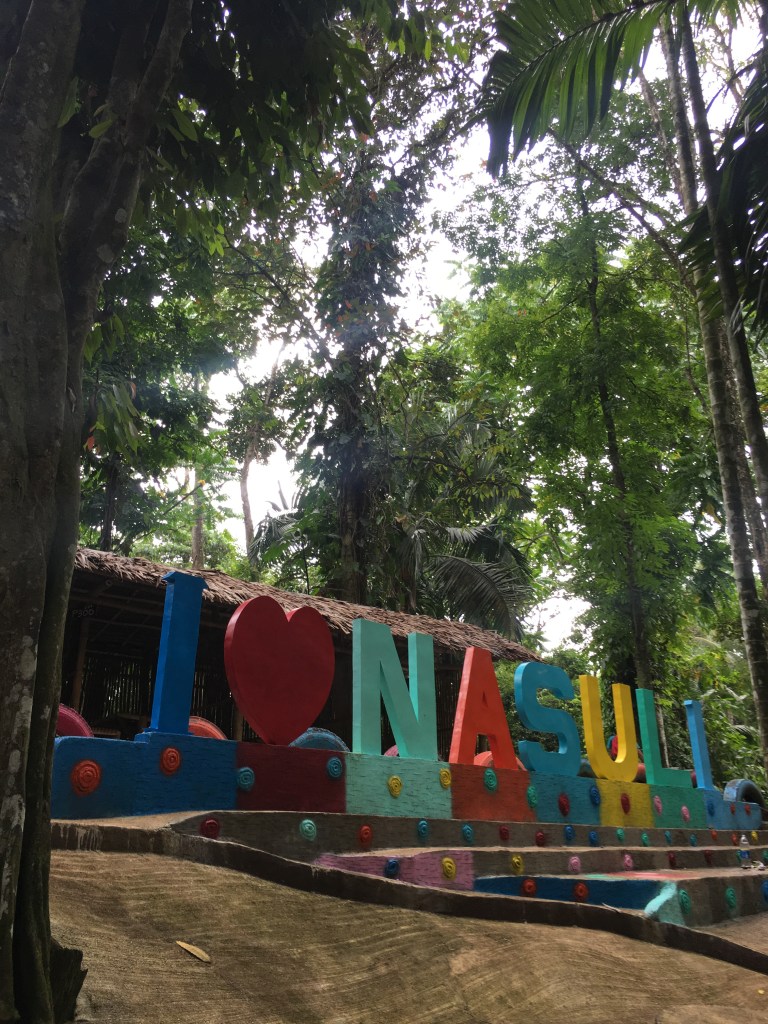
N – Nasuli Spring, Bukidnon
Not your typical destination if you’re a beach baby but this resort is worth a shot. Plunge into the cold water and rejuvenate your dying soul caused by the killing heat of commuting everyday to work. LOL. Kidding aside, the spring offers the ultimate nature vibe with swimming and diving area.
You can opt to just take a side trip to this spring and explore the beauty of Malaybalay first. If you are prepared to sweat, consider trekking at Musuan Peak or Mt. Capistrano and have a view of Bukidnon at a higher level.
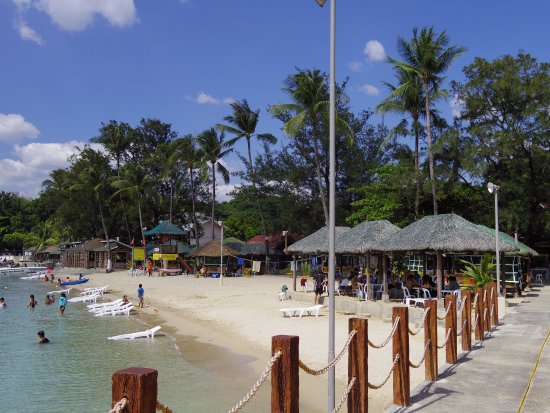
O – Olongapo, Zambales
“Ulo ng Apo” (head of chieftain) is where the name Olongapo came from – it is a reminder of the good leadership of their model and beloved chieftain who was killed by his abductors. The kinda scary story of the origin of the name of the city is opposite to what you will see in the area – forest trails, inflatable islands, and beaches and resorts to name a few.
*ctto
Anawangin Cove is located near the city and it is the perfect destination for those people looking for swimming, hiking and setting up a bonfire on the beach.
P – Pinto Art Museum, Rizal
Pinto (means door in Filipino) Art Museum is a contemporary museum in Antipolo, Rizal. The place exhibits rotation of foundation’s collection and promotes contemporary Filipino artists. Appreciate local flora and fauna from the two hectare botanical garden (known as Silangan Gardens) where the museum is located.
Visit the magnificent Antipolo Church and munch on some tasty cashew nuts downtown before going home.
Q – Quirino, Isabela
This is not one of the most visited places for summer vacation but tourism is starting to bloom in the area. Still, there are a lot to see from this destination such as the Nagbukel Municipal Tree Park and Nature Resort, Pusuac Spring Park, Manuela Falls, Susong Dalaga and Liwayway cave. There are also different festivals that showcase the unique culture and colourful history of the province – so mark your calendar.
Brace yourself with its relatively hot climate and a breathtaking view of large corn fields on each side of the road.
R – Roxas City, Capiz
Hey you seafood lover! Roxas City got you! This is a heaven on earth for you. Do you have enough fast foods for lunch? Now is the time to explore the seafood capital of the Philippines! Not a fan of seafood? The province still got you, babe! Local food culture include many unique delicacies such as inubaran nga manok, chicken binakol, nilagpang and many more. Sweet tooth folks can enjoy bitso-bitso, ibos, bayi-bayi and inday-inday.
The province does not only boast the abundant marine produce, they also offer relaxing activities like river cruise tours and shoreline strolls with relaxing view of Sibuyan Sea.
S – Sipalay, Negros Occidental
My first solo travel was here and I’m so sure that it is a very safe and worth an extra mile place for those people enjoying some solo backpacking adventures. A day tour may not be enough to see everything the city can offer but there are so many beaches to quench the wanderlust in you – Sugar Beach, Punta Ballo Beach and Poblacion Beach are just some you can put on your list.
The best for the gram photos I had during my trip were the hanging bridge in Tinagong Dagat, overlooking view of Sipalay and the cute islets I saw while in an infinity pool at Perth Paradise. I just had all these experiences in a day!
T – Tayug, Pangasinan
Heard of the sunflower maze? This is the place! If you were a bee during your past life this will be your paradise. The gate usually opens daily from 8:00am to 6:00pm starting on February until June. The farm features not just the sunflower maze but also other landscape of bougainvillea, blue ternetea, roses and different in-season vegetables.
A perfect stopover for those going to or coming from Baguio. Along the road, you can buy dried fish and salty relish made of fish or shrimp (or simply bagoong).
U – University of Sto. Tomas, Manila
The oldest university in the Philippines found way back 1611 had the Victorian-style exterior with shabby stone facade designed with sculptures on top you can admire. The things you can do here include feeling the love along the lover’s lane, taking pictures at the stone archway and soul searching in the middle of a serene garden with fountains and thick treetops.
The areas around the university are known for flood and food. LOL. Prepare your stomach for a budget-friendly food crawl experience.
V – Vigan City, Ilocos Sur
A unique town in the Philippines as it is the country’s only surviving historic city from the 16th century Spanish colonial period. Vigan used to be an important coastal trading post in pre-colonial times. Time travel for a day along the cobbled stones of Calle Crisologo – visit the past through the ancestral houses and Catholic churches.
Complete the history feel by riding a Calesa. Did the tour make you hungry? Try out some yummy empanadas and bagnet!
W – Western Bicutan, Taguig
Plenty of things can be done in Taguig. Enjoy the pleasure of a little history by visiting the Fort Bonifacio Tunnel which was built in 1936 and was used as route for military supplies throughout World War 2. You can also stop by at the Libingan ng mga Bayani (Heroe’s Cemetery) and pay homage to former Philippine presidents, national artists, scientists and other patriots.
Other things you can try are skating around BGC, riding a gondola at Venice hall, and visiting The Mind Museum and Miracle Art Museum.
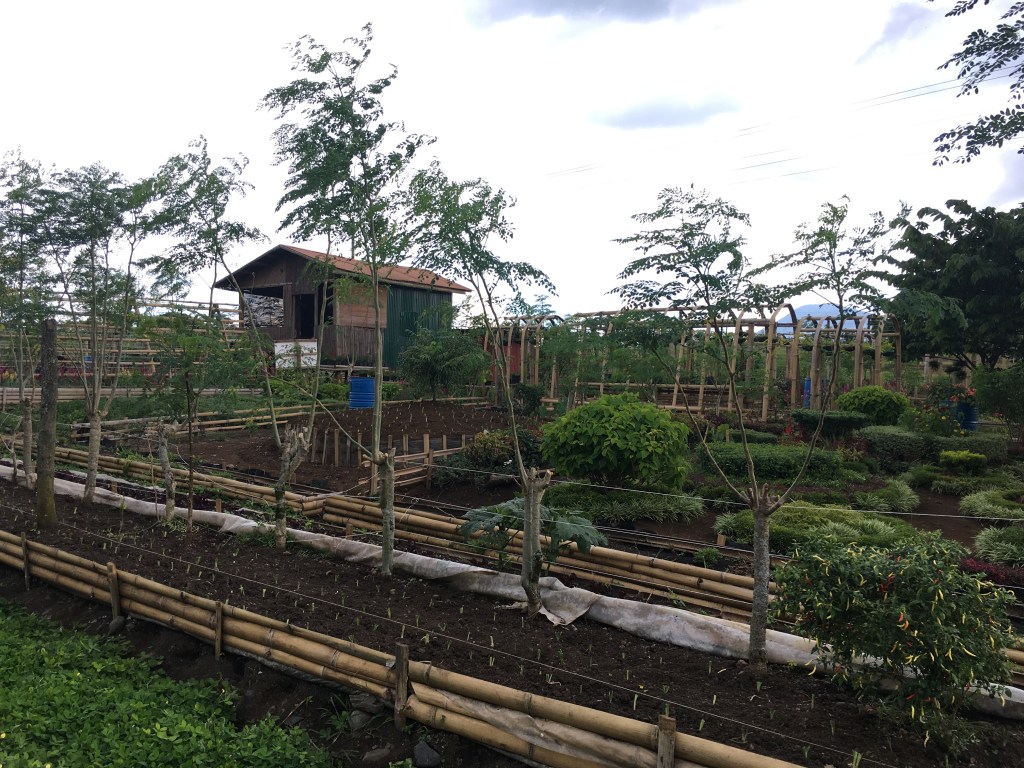
X – Region X (NOMIARC)
Are you exhausted from the city life and daily traffic congestion perfectly combined with scorching heat? Do you have too many beaches in your bucketlist? This research station in Region X has a cold weather and the best probinsya life you are looking for. Make sure to coordinate first with the research station head before dropping by.
If you were not able to coordinate with the research office, alternative destinations include Kaamulan Park, Lapanday Pineapple Farm and Monastery of Transfiguration.
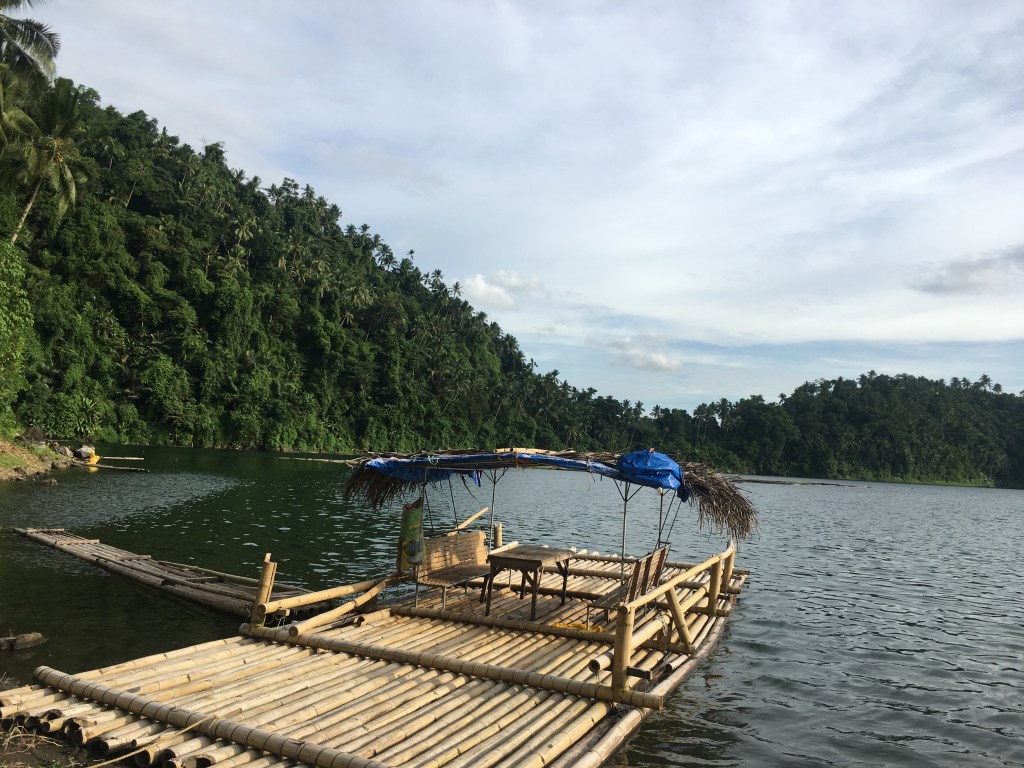
Y – Yambo Lake, Laguna
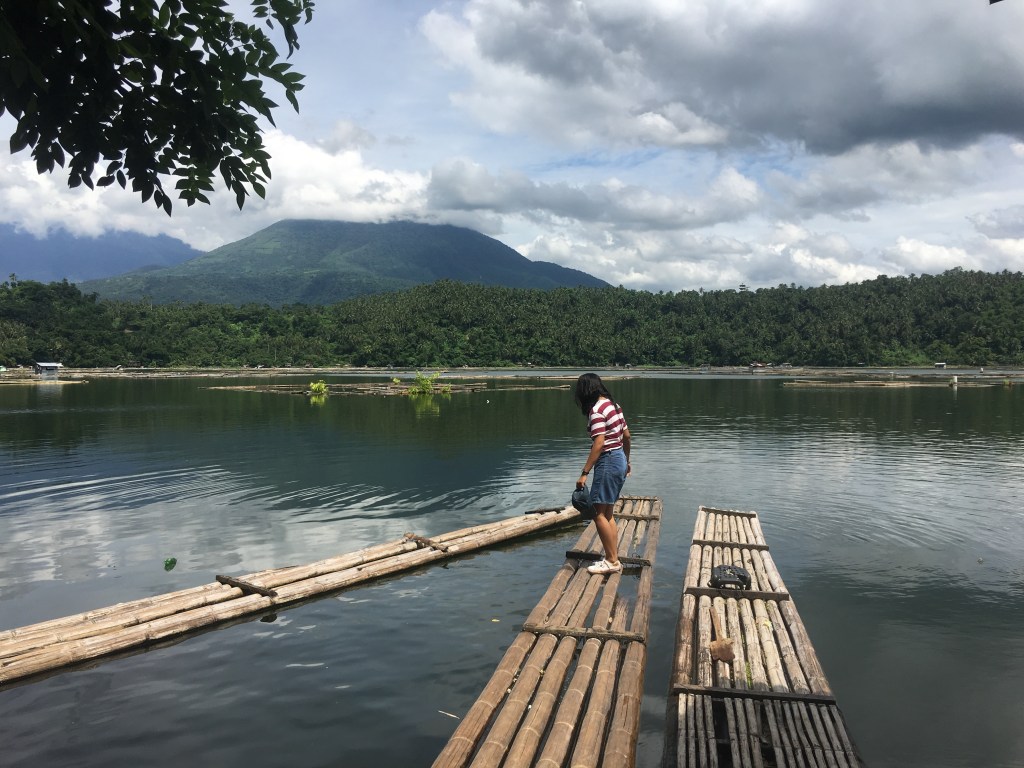
Getting to the lake is a bit challenging but a rewarding journey. The pristine waters reflecting lush green that surrounds it will be your reward at the the end. If you’re a kind of traveler that enjoys the value of serenity and being in harmony with nature this one is surely for you.
Pack and start early to be able to visit the other six majestic lakes of San Pablo, Laguna – Pandin Lake (twin lake of Yambo),Palakpakin Lake, Bunot Lake, Muhikap Lake, Calibato Lake, and Sampaloc Lake.
Z – Zamboanga City, Zamboanga Peninsula
The Philippines’ 3rd largest city and dubbed as “Asia’s Latin City” offers a wide array of adventures to dive in. The Merloquet Falls can give you a free massage and soothing sounds. From the boardwalk at Paseo del Mar, have a view of big and little Sta. Cruz Island and Basilan Island. Witness the Spanish influence through Fort Pilar.
Planning to go to Zamboanga? Mark your calendar for Regatta de Zamboanga – the biggest and most colorful event in the Zamboanga Hermosa Festival conducted throughout the month of October with main events happening during the first 12 days.
Do you have other places worth trying this year not listed here? Write it down in the comment section.








































 Plus, be amazed by the fact that indigenous people from the province built this terraced rice paddies that look like giant stairways on the slopes of a mountain using minimal equipment.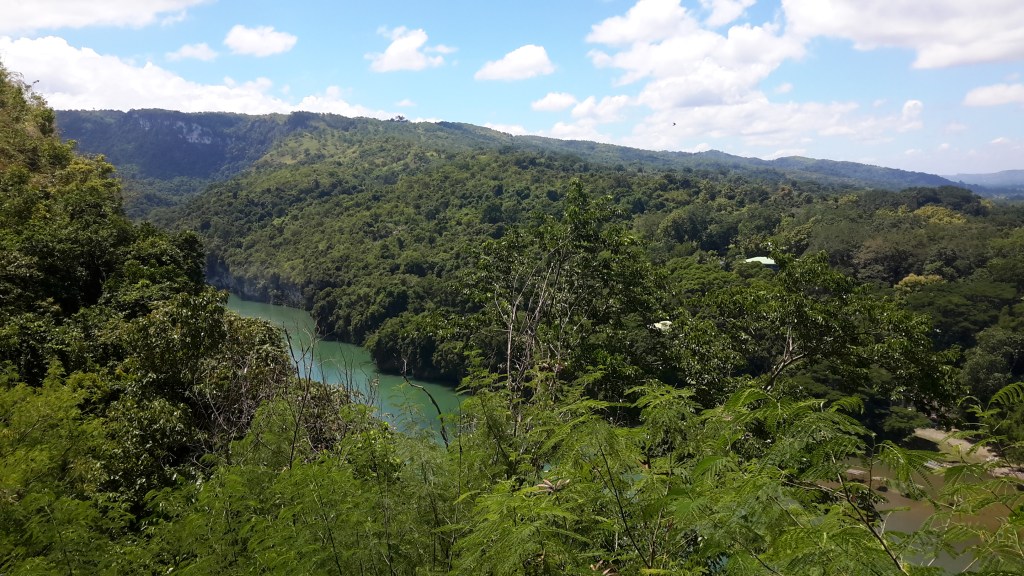















 larswrites