Quick guide to see Mayon volcano: 6 places to get different views

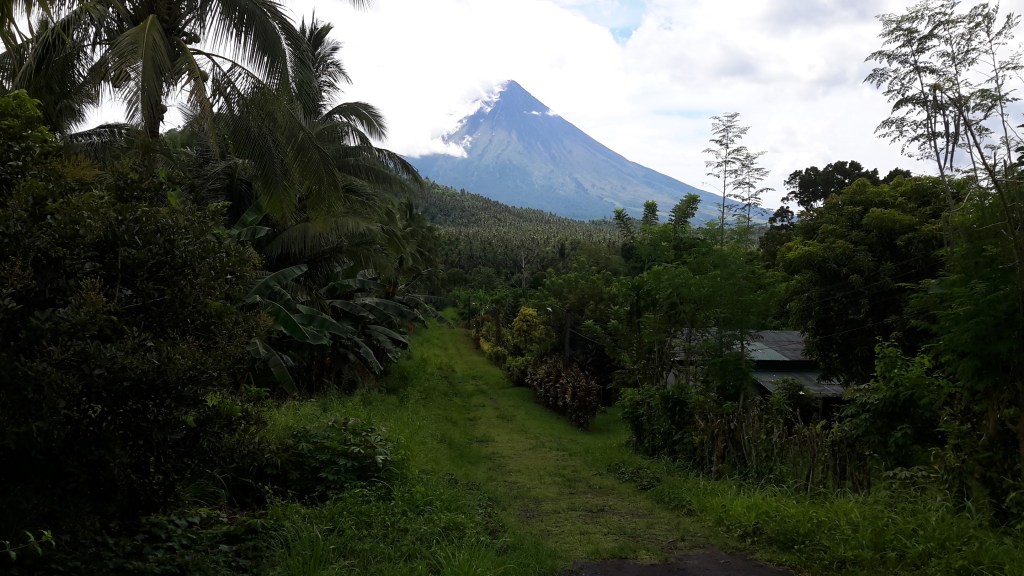
When I was a kid, I always see Mayon volcano in my Sibika at Kultura textbook. Never in my life I had imagined that I would see this structure in person. Its perfect cone shape has always left me in awe. Took several pictures of it and kept coming back to the place from time to time.

They say it wasn’t as perfect as it used to be because of several eruption that happened. Nevertheless, you will still get amazed by its beauty.

So here’s a very quick guide on how to go to Albay and see the picturesque Mayon volcano:

From Cubao, ride a bus going to Legazpi. You can drop off to these places:

1. Guinobatan

See Mayon volcano while enjoying the town of Guinobatan. They have good food and good people. There are also several ukay-ukay shops in the town proper selling very cheap second-hand treasures.

20160623_101917

Personal favorite: chicharong bulaklak meal at Bigmike’s Acacia fast food.

2. Camalig

Ask the driver if he knows Albay Agri Ethno Eco Village in Camalig (Agri Village) if he doesn’t know, use your Google map. From the Agri Village you will walk for 5-minutes to get to Sumlang lake and have a good view of the lake, rice field and Mayon.

20161021_163136

Personal favorite: abaca furnitures on bamboo rafts (you can sit on the furnitures and ride the rafts). Do not forget to try the famous ‘pinangat’ dish.

3. Daraga

This is the way you will see Mayon when you are at Our Lady of the Gate Parish in Daraga, Albay. Drop off at Daraga Municipal Hall and walk your way to the church. It will require you a little hilly trek but it will be worth it.

IMG_1677

Personal favorite: the architecture of the church and the panoramic view of Mayon

4. Cagsawa

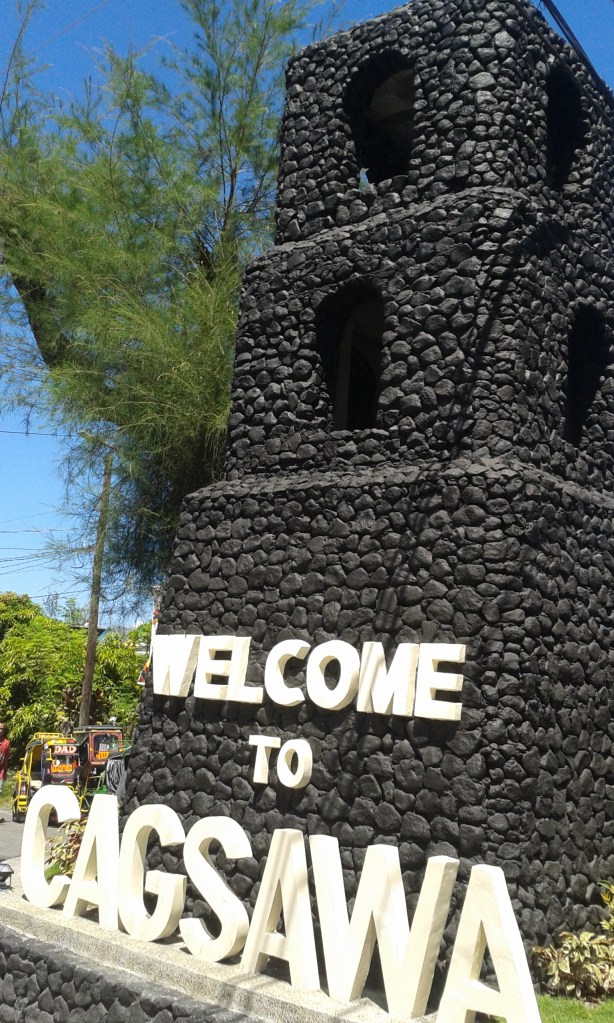
The way Mayon is seen in books is usually with this one. Tell the driver to drop you off at the road going to Cagsawa (landmark: a replica of Cagsawa church). Hire a trike to get you to Cagswawa Ruins. Unfortunately, the beautiful clouds covered the view. LOL.

20150516_130326

Personal favorite: ATV rides and souvenir shops.

5. Legazpi Boulevard

You drop off at Legazpi Grand Terminal and ride a jeepney or tricycle going to Embarcadero and then to the boulevard. Get a good view of the Mayon in the port. There is also a LEGAZPI signage there you might want to get a picture with.

IMG_4238

Personal favorite: Sili Ice Cream of the 1st Colonial Grill. They also have other unique ice cream flavour like cocoa and calamansi ice cream.

6. Ligñon Hill

Drop off at Albay Park and Wildlife (you can also add this to your itinerary). Then ride a motorcycle going to the hill. If you have extra time and energy, then you can trek to get to the top (make sure to bring extra shirt and water).

IMG_4835

Personal favorite: a panoramic 360-degree view of Legazpi City, Daraga, Albay Gulf, and the Mayon Volcano.


9 gardening mistakes you should avoid

How’s your garden right now? Some will say their crops are doing great – CONGRATULATIONS! Achievement unlocked. Unfortunately, the others are sad they did not even reach the flowering stage of their plants. Do not envy their green thumb, you are probably doing some of the following gardening mistakes:

1. Not knowing your crop

If you’re a beginner gardener, you just can’t go to the nearby agricultural supply store, buy seeds, plant and expect to have the best harvest. Just like any venture, you need to study your chosen crop/s, their growing requirements, harvesting time (to name a few).

IMG_4582

But hey, don’t spend too much time researching everything about that single crop that you end up late to actual gardening. Start from the basics and earlier crop growth stage of your plant and you’re ready to go. Then you can just continue your research while the crops are progressing. Besides, learning is a continuous process.

2. No soil assessment

Cassava can thrive in adverse conditions. But, you will observe a significant higher root yield of the same variety planted in a sandy loam soil over the clayey soil. This is simply because roots do not need to exert extra effort to dig deep and grow in a sandy loam soil than the compacted clayey soil.

IMG_5166

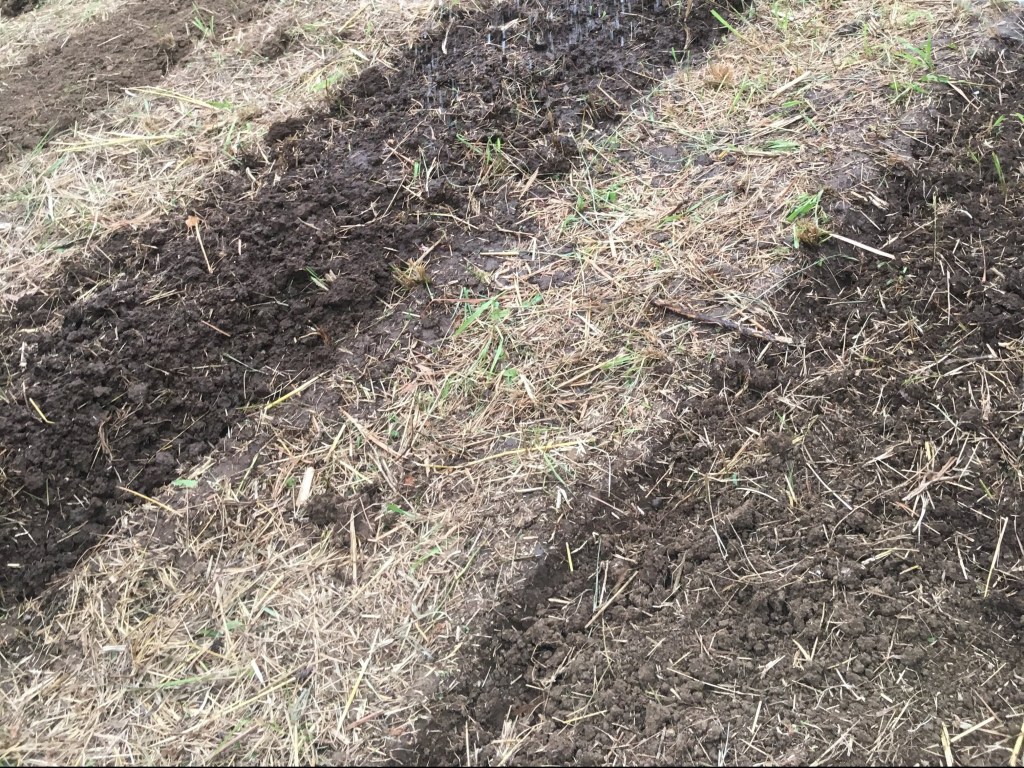
You don’t need to go to a laboratory to test them (though if you have the resources, I encourage you to do so). I just want you to assess your soil. Color can be assessed visually while texture can be determined using the ‘feel method’ (search the net to know how easy it is done). Knowing the soil color can give you an idea of the fertility of your land and texture will determine the best suited crops for that soil.

3. Fertilizer-related mistakes

You do not just buy any fertilizer and apply all of them to your crop. I have a separate post on that matter here (8 fertilizer-related mistakes: what would possibly happen and how to avoid them?)

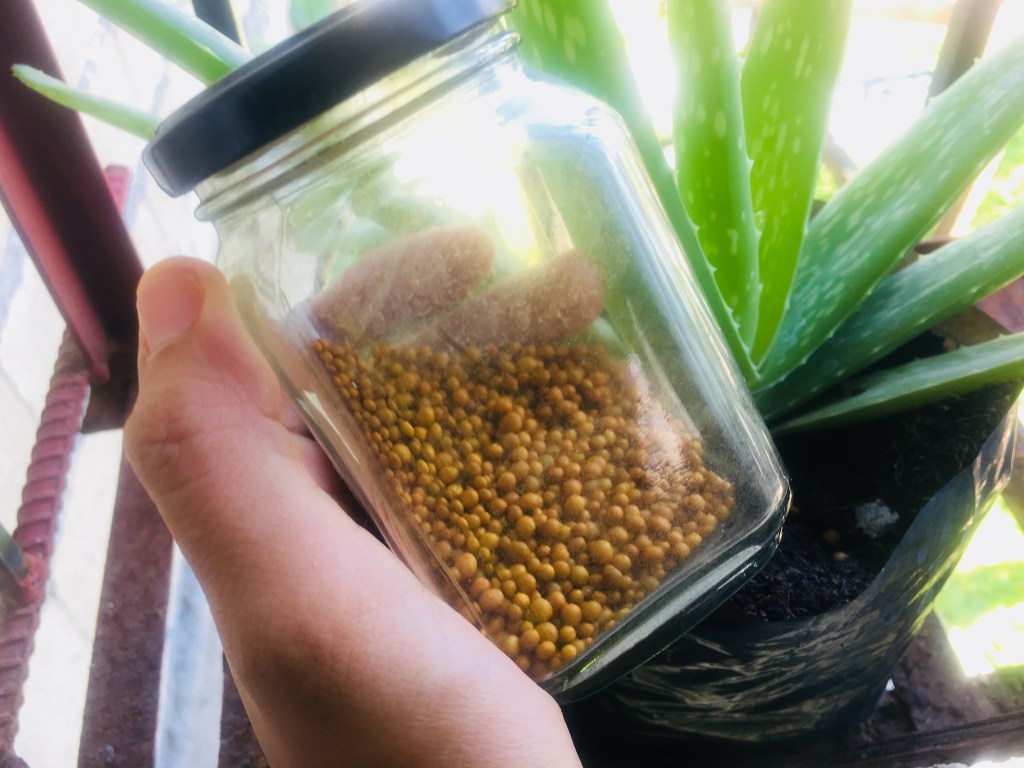
IMG_4583

When you apply fertilizers wrongly, you are not only jeopardising the growth of your crop, you are also posing a negative effect to the environment.

4. Watering too less or too often

I said before that plants are made up of 85 – 95% water and they badly need it to do all the process. But hey, do not water them less nor more than they need. Some plants are water loving while others can thrive even with 1 cup of water in a month.

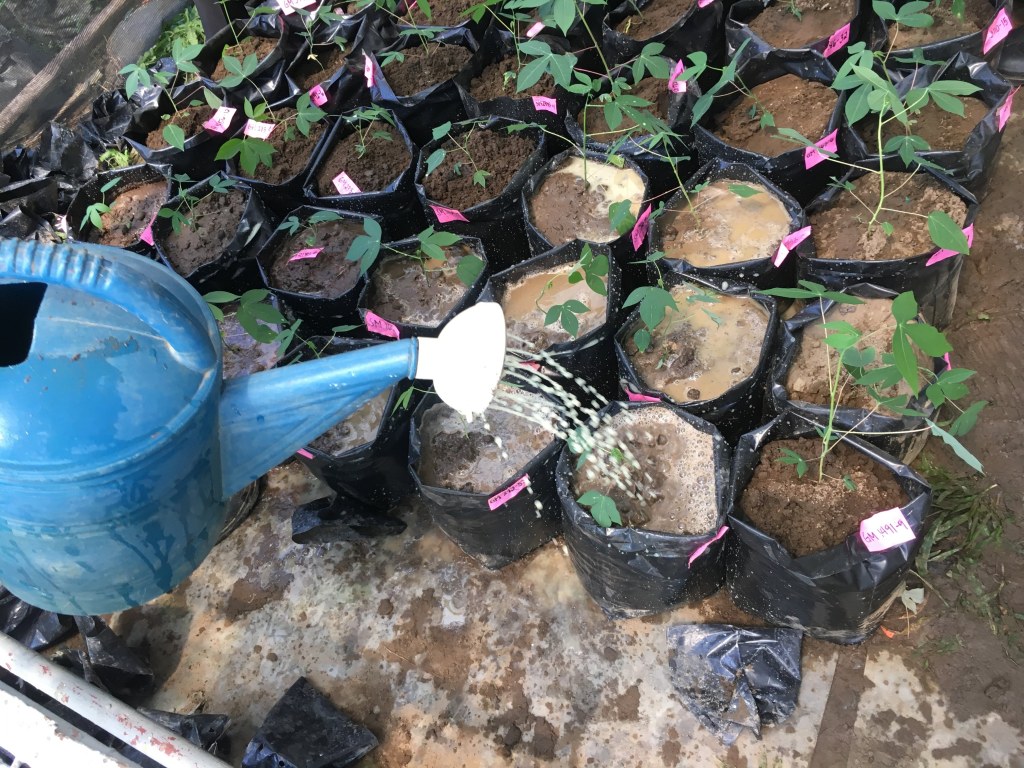
IMG_1887

Also, if you are gardening outside, make sure to check the weather forecast for probability of rainfall. If there’s a high chance of rain, consider abandoning your plan to water your plants.

5. Removing all weeds or not removing them at all

Weed management is an essential part in gardening – they can reduce productivity of your crops or when well-managed, will be beneficial to your plant.

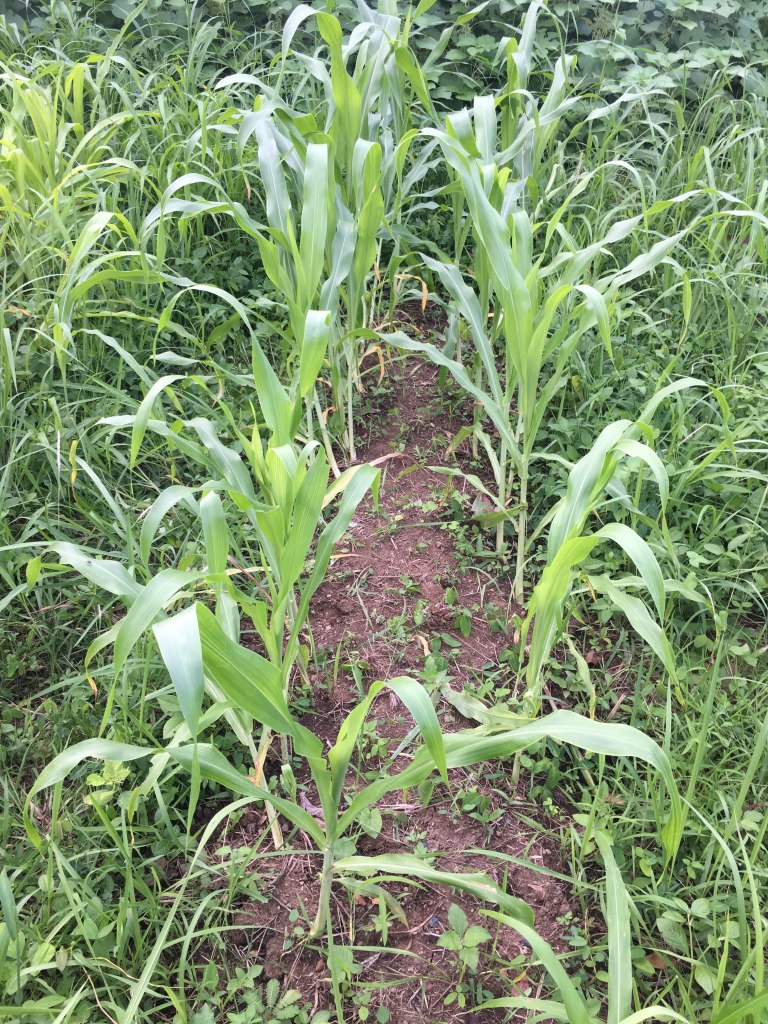
IMG_5438

They affect your crops through competition. Weeds like your crops need sunlight, water and nutrients. Too much weeds would mean too much competition to your crop. Make sure to remove them it they are already covering large areas of your field. Although completely removing the weeds is pleasing to the eyes, it will require additional labor. Total absence of weeds will also mean that your crop will only be the host of your pests.

6. Spraying too much pesticide

Some newbie gardeners would likely consider spraying pesticide once they see their crops being eaten by some naughty borers. If you see this before getting your spray bottle, think again. Are they still manageable? If yes, then put that pesticide back to your cabinet.

IMG_5719

Assess first your garden. If pest damage is not that many, then try other control measures like manually removing the insects and infected area or putting some trap crops (plants in the same family of your crop planted side by side with your main crop). Pesticides are harmful to you, your friendly beneficial and natural enemy insect and the environment.

7. Absence of record book

You do not necessarily need a fancy notebook. An ordinary one will do. This will be your gardening diary. You write your observations. The things you did right and those that aren’t so right. LOL.

IMG_6144

Every cropping season you will learn things from the way you managed your crop. You will surely make mistakes and it’s ok because you learned. Let this lesson/s be recorded. This will serve as your reference whenever you make future decisions to you garden. Try not to make the same mistake twice. *wink*

8. Early or late harvesting

That is why I always say that you should know your crop. The days to harvest after planting is also a crucial part of your gardening. Do not allow your good-looking lettuce to taste bitter because you harvest them 50 days after you transplant. Early or late harvest time may affect the quality of your produce.

IMG_0159

And if you are after viable seeds, make sure to look at their physiological maturity. Some seeds will not germinate when harvesting seeds prematurely. Timing is everything. Just like in love. LOL. ❤

9. Direct sunlight

Just like water, plants need light to PHOTOsynthesize. Plants can be sun- or shade-loving meaning they grow better when they are under the sun or under other plants, respectively.

IMG_2635

Do not wonder why your baby pakchoi died when you place them under scorching sun. And do not ask yourself why your cassava didn’t grow well under the tree. Make sure to place each crop of your choice to location they will love. 🙂

Scientific name of crops mentioned in the song ‘Bahay Kubo’

During my undergraduate days, it is required to memorize some scientific names of plants and animals. It was fun knowing their names. So, I decided to dig in the ‘Bahay Kubo’ song for the crops mentioned and put their scientific names.

IMG_6043

Lyrics

Bahay-kubo, kahit munti
Ang halaman doon ay sari-sari
Singkamas (Pachyrhizus erasus) at talong (Solanum melongena)
Sigarilyas (Psophocarpus tetragonolobus) at mani (Arachis hypogaea)
Sitaw (Vigna unguiculata spp. sesquipedalis), bataw (Lablab purpureus), patani (Phaseolus lunatus)

Kundol (Benincasa hispida), patola (Luffa cylindrica), upo’t (Lagenaria sinceraria) kalabasa (Cucurbita maxima)
At tsaka mayro’n pang
Labanos (Raphanus sativus), mustasa (Brassica juncea)
Sibuyas (Allium cepa), kamatis (Lycopercon esculentum), bawang (Allium sativum) at luya (Zingiber officinale)
Sa paligid-ligid ay puno ng linga (Sesamum indicum)
——
Scientific names are important to allow people throughout the world to communicate unambiguously about different species. Isn’t it interesting and fun to know the scientific names of the plants in our classic ‘Bahay Kubo’ song?
The vegetables in the lyrics are rich in nutrients, minerals, antioxidants and antibacterial properties. Make sure to eat veggies to strengthen your immune system.


Must visit places when you are in Bicol

Nope. I am not from Bicol nor too near from the region. I am located 8-15 hours away but nonetheless fell in love with the place. I’ve been travelling the Philippines for quite some time and this region has a special place in my heart. And after the crisis and when everything is okay, you might consider these places and who knows you might also find yourself falling in love with their people, food and view.

1. Cagsawa Ruins

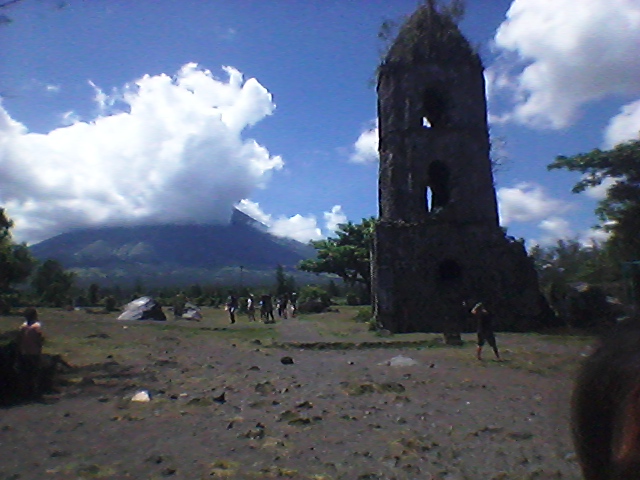
The remnants of a 16th century Franciscan church built in the town of Cagsawa in 1587 will make you reminisce your ‘Sibika at Kultura’ book (well for me that was what happened).
20150516_132001

This is a popular attraction and historical landmark in the province of Albay. From this point, you can see the beautiful Mayon volcano (they say if you see the volcano completely cloudless, you’ll marry a Bicolano/a). Well in my case, look at that clouds that hid the view of Mayon. LOL.
20150516_130326

Upon entry, you will need to pay entrance fee. Aside from enjoying the view, you can also ride an ATV (PhP 500-1000), eat sili ice cream and buy some souvenirs.

2. Sumlang Lake

One of the newest attractions in Albay. Ride a bamboo raft and enjoy the relaxing view while traversing the 9-hectare swamp.

20161021_162823

This place was once just filthy waters covered with water lilies. It was ignored for years. But, residents decided to develop the place and I guess they made the right decision. The ugly duckling Sumlang lake is now a beautiful swan. Isn’t it inspiring?

20161021_163136

If you are not a fan of moving bamboo rafts, you can just sit on those abaca-made furnitures and admire the majestic view of the lake and Mt. Mayon. Food stalls and souvenir shops are also present near the lake.

3. Deer Farm

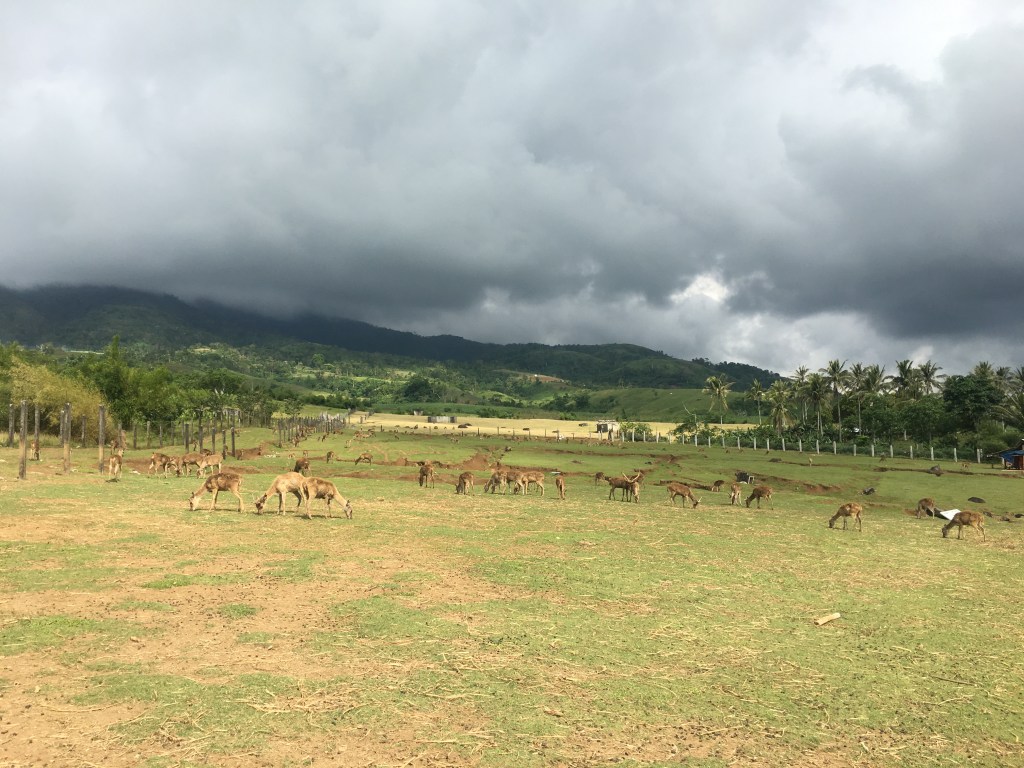
Ever dreamed of seeing Santa’s deer? You do not need to go to North Pole or wait one miraculous Christmas Eve (LOL) to see them. This deer farm is located in Ocampo, Camarines Sur just at the foothills of Mt. Isarog.
IMG_3496

The farm was established by the local government of Camarines Sur in 1996 for commercial purposes. You do not need to pay for an entrance fee but you can donate for the maintenance of the place. Bring food and water when you go there because there are very few stores in the area.
IMG_3612

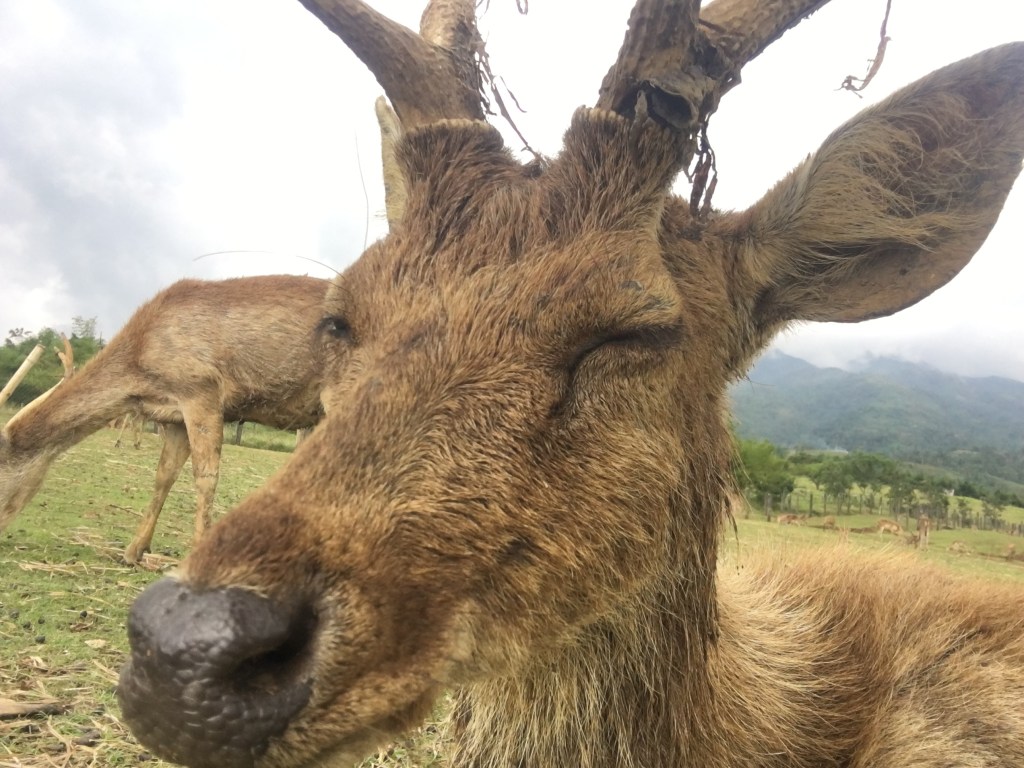
You can literally have a close up encounter with the deer. They are so tamed you can even take a selfie beside them. Expect the ‘deer’ smell. BTW, Ruldoph the red nose reindeer wasn’t there if you’re wondering. LOL.

4. Lola Sayong

If you are the type of person who does not like crowded surfing camp, then this place is for you. Their surfing instructors and lesson are beginner-friendly. I do not know how to swim and it was my first time surfing  but still I was able to do it after a few tries. My instructor was surely very patient that time! LOL.

IMG_20200202_093015

I just love the vibe of the place. The resto’s interior is superb – they even have books to read as you wait for your food or  if you are just resting after a day’s surf. They also offer decent rooms for accommodation.

IMG_3791

Wake up with a beautiful sunrise and let the waves sing a lullaby as you go to sleep. You couldn’t resist staying outside at night watching the stars while hearing the sound of the waves and the wind as if they are singing a duet.

5. Daraga Church

If you failed to see Mt. Mayon with cloudless sky at the Cagsawa Ruins on your Bicol Trip Day 1, consider inserting this one to you itinerary. This Roman Catholic Church built in 1772 is located in the town of Daraga, Albay or just 9.8 km away from Cagsawa Ruins (around 20mins away if you are riding a car).

IMG_1661

Admire the the mix Mexican Baroque and reconaissance Gothic architecture of the church. Let your worries be washed away with the peace the place offers. You can even say a prayer.

IMG_1672

In 2007, the site was declared as a National Cultural Treasure by the National Historical Institute. This spot is perfect for those thinking of a budget-friendly and easy-to-go travel destinations in Bicol.

6. Caramoan

Are you fond of the show ‘Survivor’? If yes, you’ll know why this destination is one of the known tourist spots in our list.
IMG_4880

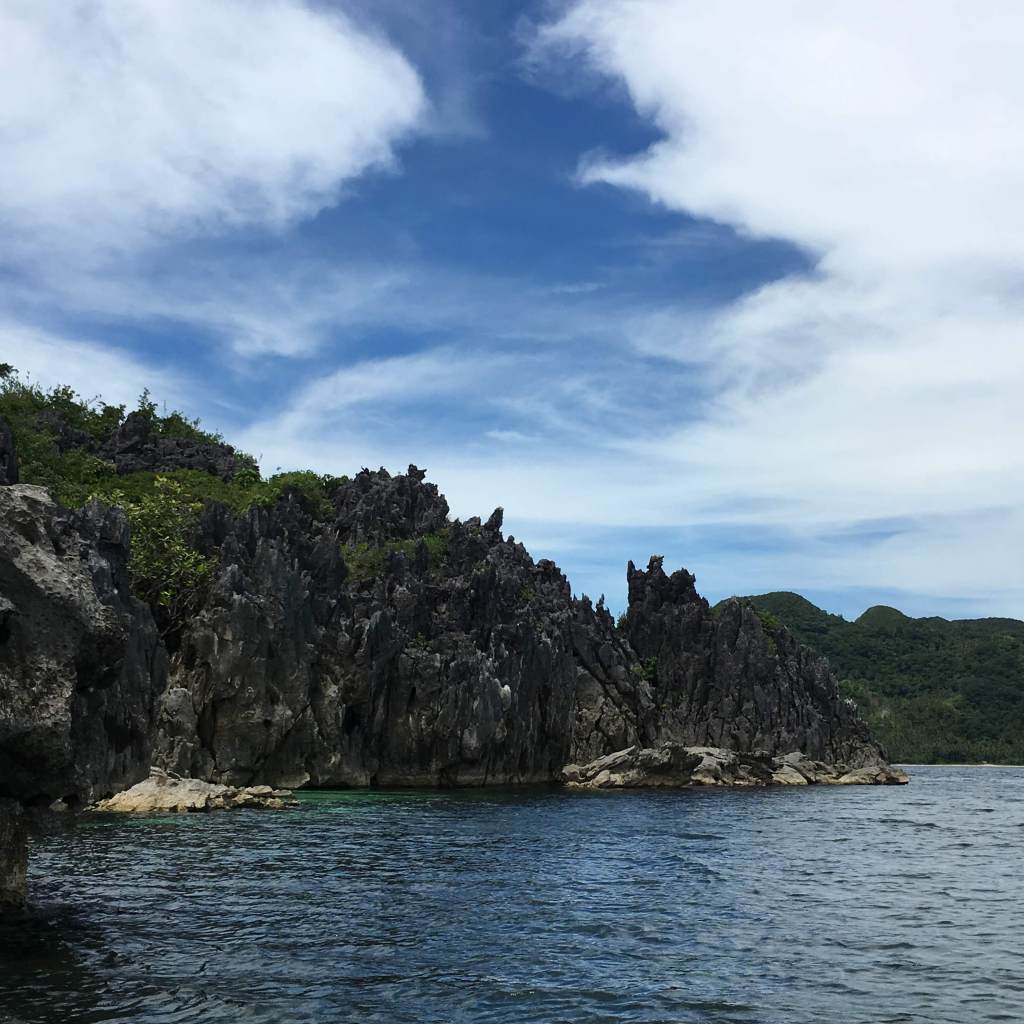
You have 2 ways to choose on how you want to go to this tropical paradise when you are already around Bicol Region. First is by water wherein you ride a speed boat at Sabang port (takes 1.5 to 2 hours). Second is by land – from Cam Sur, you need 3.5hrs to get there and the road is kinda bumpy. I highly suggest that you choose the first one.

IMG_4883

Do not just search for ‘Survivor: Caramoan’, pack your bags and experience what the ‘tribe’ had. The clear water, rich seafood and beautiful rock formation will be more than enough trade to your 10-12 hours travel.

7. BIGG’S Diner

It is the biggest food chain in the region which offers a wide variety of food selection. Satisfy your craving for Bicol flavours and American food. You do not just get a full and happy stomach upon dining, the vintage design of the place will feed your starving eyes (and IG page).

IMG_3685

The food chain was born in 1983 and in 3 years time, they will celebrate its 40 years. If you are curious, BIGG stands for Beautiful, Intelligent, Gorgeous, and God-fearing.

IMG_6828

For some it is just a where-to-eat-in-Bicol destination – well, partly true. Still, this is a must visit place when you are in Bicol.

8. Ligñon Hill Nature Park

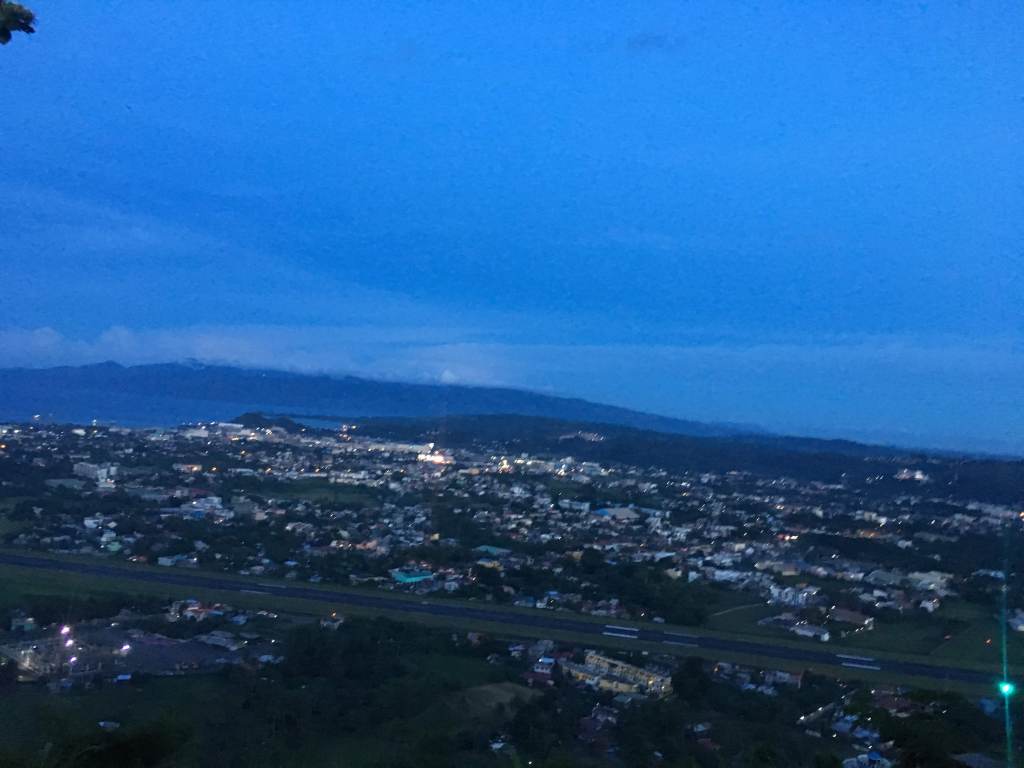
Ligñon Hill is a prominent hill in the city of Legazpi. It is known as the city’s protector as it serves as barrier against the lava and lahar during times of eruption and heavy rain.
IMG_4834

The recreational park that sits in an elevated place offers views of the entire Legazpi City and Mt. Mayon.

IMG_4835

You need to pay PhP 20 in the main gate before entering. The things you can do there include souvenir buying, relaxing while sight seeing, zip lining, and hanging bridge crossing.

9. Calaguas

Are you a city dweller and backpacker seeking to be away from everything? Situated in the province of Camarines Norte, the site is perfect for camping and swimming.

20160110_084721

Calaguas is a group of islands comprised of Tinaga Island and Guintinua Island, and other minor islands. You can find the famous Mahabang Buhangin in Tinaga Island.

12417704_1264623146887479_6200099009970829486_n

Before sunrise, you can exercise and do a light trek to Calaguas Hill and get vitamin D through healthy sun exposure.


The places listed in here are the ones I visited myself. There’s a lot of treasure to explore in Bicol – they have so many beautiful beaches, mountains, hills, restos, lakes, rivers and parks.

 

Milk Tea Pearl Farming: How to grow tapioca/cassava?

Did you know that your favourite milk tea tapioca pearls came from trees? LOL. Just kidding. We do not pick the pearls from a tree.

IMG_0789

Tapioca or cassava is a perennial woody shrub which has diverse usage – from feed, food to other industrial purposes.

Here’s a quick guide on how to grow your pearls.

1. Choosing growing area

IMG_5166

Cassava plants love fertility, sandy loam to clay loam soil with medium  soil fertility. The area should also have enough water and good drainage.

2. Land preparation

DSC_0079

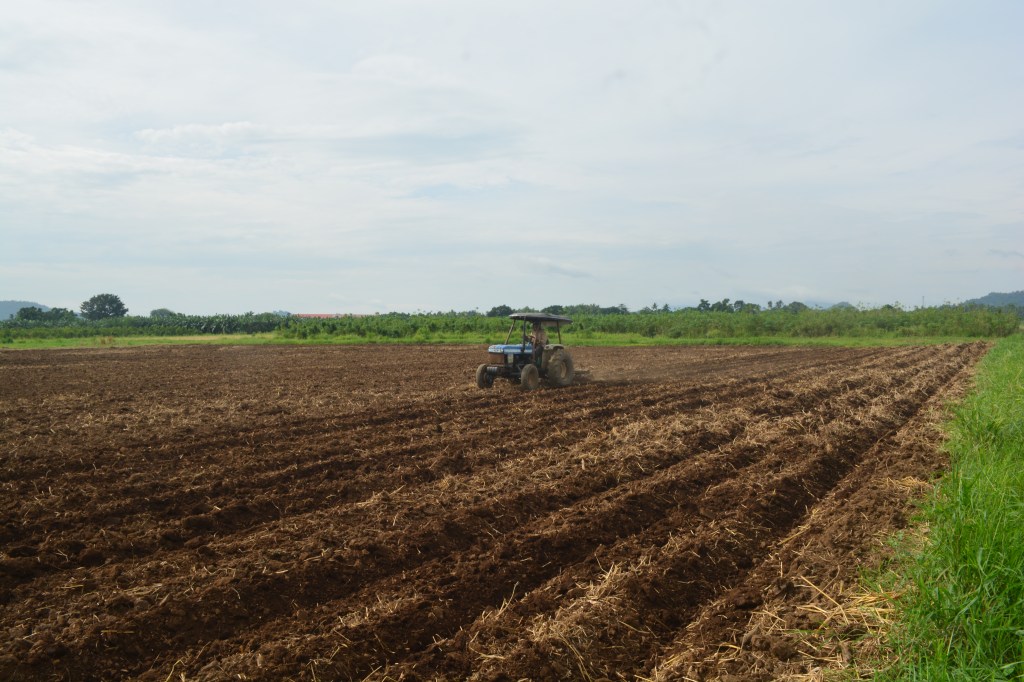
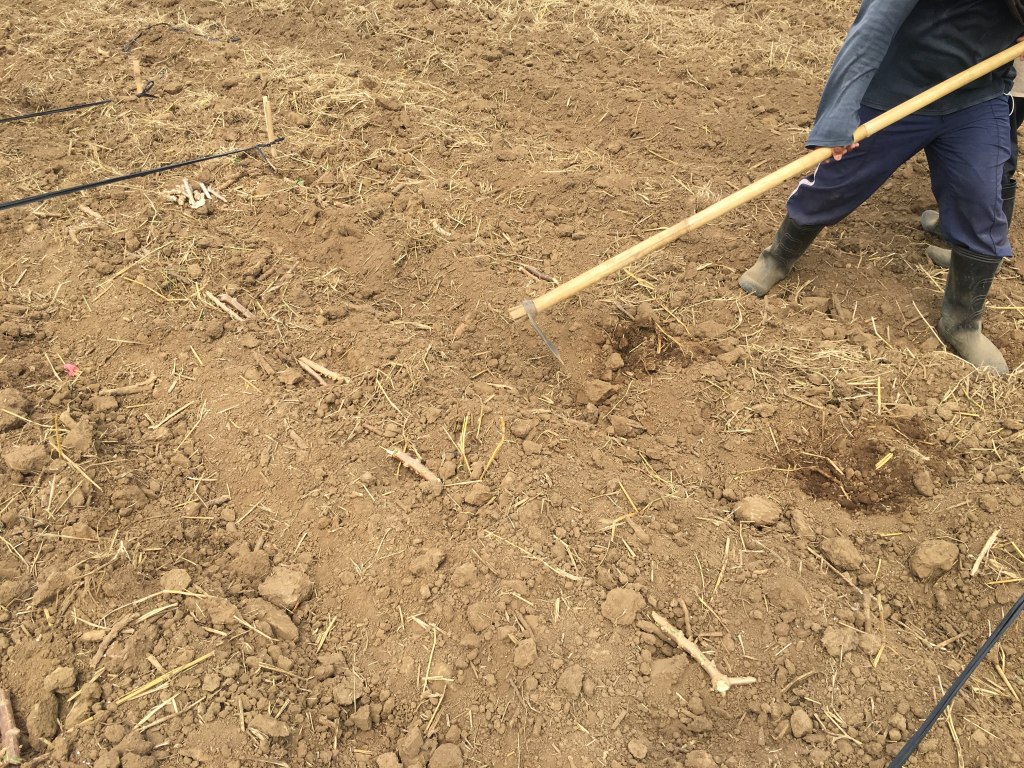
If you are just going to plant less than 10 plants, you just need to remove weeds, loosen the soil and dig a shallow hole (with 1 m distance from one another). Large scale farming which involves hectarage of land will require you to use tractors to implement plowing, harrowing and furrowing. You also have to create shallow holes. Distance between furrows is 0.75 – 1 m.

3. Preparation of planting materials

IMG_2401

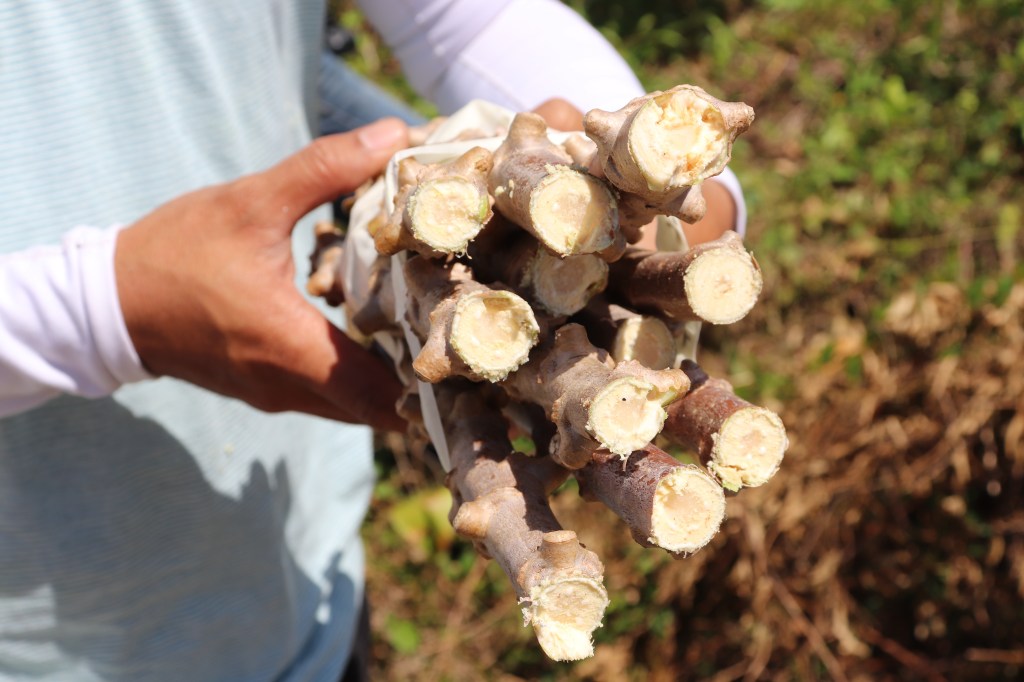
Choose healthy and free from insects and diseases planting materials. In cassava production, stems are used as planting material. Cassava with low cyanide should be your choice if you are going to use it as food (e.g. milk tea pearls). Cut the stems into pieces (20-25 cm long).

4. Planting

IMG_1760

Distance between plants or the distance between holes is 1 m. Put ample amount of fertilizer (i.e. 14-14-14) and cover it with soil before putting the cuttings, then cover again the cuttings. You can place the cutting horizontally, vertically or slightly inclined if the soil is dry, wet or has enough moisture, respectively.

5. Irrigation

20160121_161545

If irrigation is not available, try to plant when the soil is still moistened or when there was rain a few days before planting. Irrigation can be done after planting and during the vegetative stage of the plant. Cassava can thrive in adverse condition but if you want to get optimum performance from your plant, you need to provide them with best cultivation practices.

6. Fertilizer application

IMG_4583

Application of fertilizer can be done before planting (you can use 14-14-14) and during the vegetative stage (or 2 months after planting, use 46-0-0) of the plant. But, cassava can still grow even in low fertility soil.

7. Pest management

IMG_5719

Weeds, insects and diseases are the things you need to look out as it will significantly affect your harvest. Weeding can be done 2 months after planting and before harvesting, and when necessary during the entire growing period – be very careful in removing the weeds.

On the other hand, the common insect pests of cassava are leaf miners and red spider mites, most cassava plants can survive despite the attack of this pests. Applying insecticides should be the very last thing you will consider in controlling these insect pests.

For the diseases, try to plant clean materials and in areas with no known disease/s. One of the diseases you should look out for is the witches’ broom disease. The disease can drastically decrease your yield.

8. Harvesting

IMG_5734

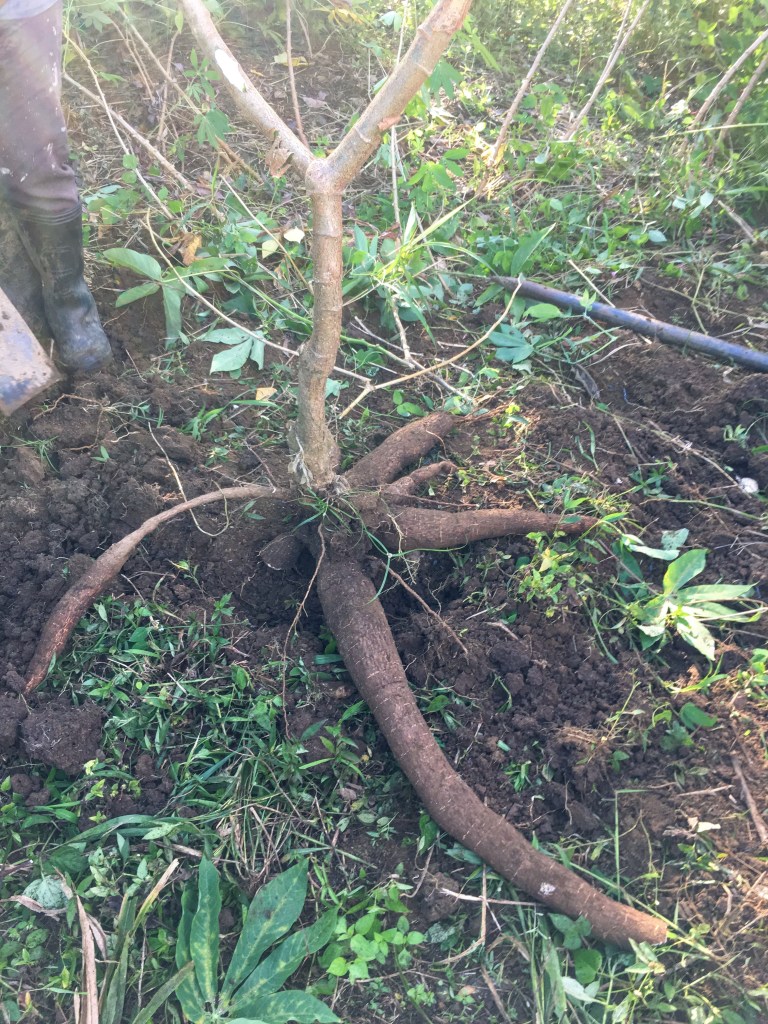
Harvesting can be done 8-12 months after planting. Each cassava plant can be uprooted manually or harvesting rod can be used. Be careful not do damage the roots.


newbie gardener OOTD

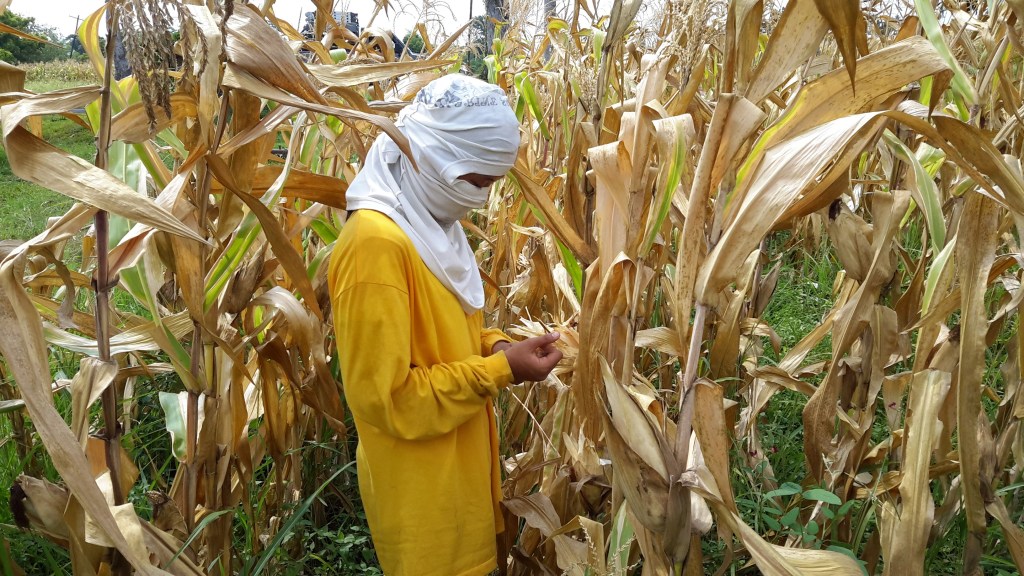
I remember the first time I had field work. It was a 2-ha field of corn. I was there almost the whole day for harvesting and data gathering. It was a very hot day!!! And do you know what I wore? – yep – a cotton green T-shirt, pants and a pair of purple New Balance shoes! I didn’t even wear a cap! Hooray! I ended having sunburns and exhausted body. I realised that it was not just the heat of the sun and the whole day field work, me not wearing the proper attire was a big factor.

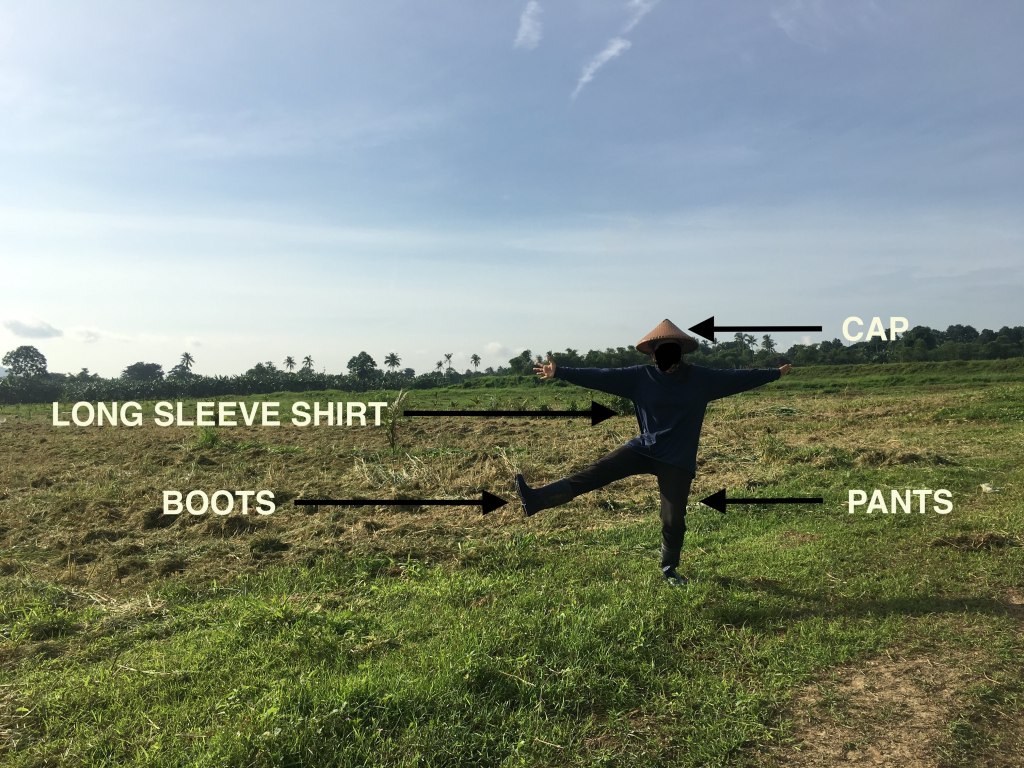
So here’s an OOTD I would recommend if you are going to the field:

IMG_2660

Wear cap, it will protect your head from heat. You can also wrap your head with white cloth or shirt before putting your cap. White cotton shirt provides additional sun protection.

Wear long sleeve shirt, it will protect your arms and upper body against the sun and dirt.

Wear pants, it will protect you from the sun, insect bites and sharp/thorny weeds.

Wear boots, also wear thick socks. This will protect you from snake bite if you accidentally stepped on them. It makes walking on uneven surface easier.

20150512_141224

Make sure to protect yourself while enjoying farming/gardening!


1 week ulam/viand challenge: DAY 7 -mixed veggies you can easily make or even modify

We are now on our 7th last day of the 1 week ulam/viand challenge…yey for me! LOL.

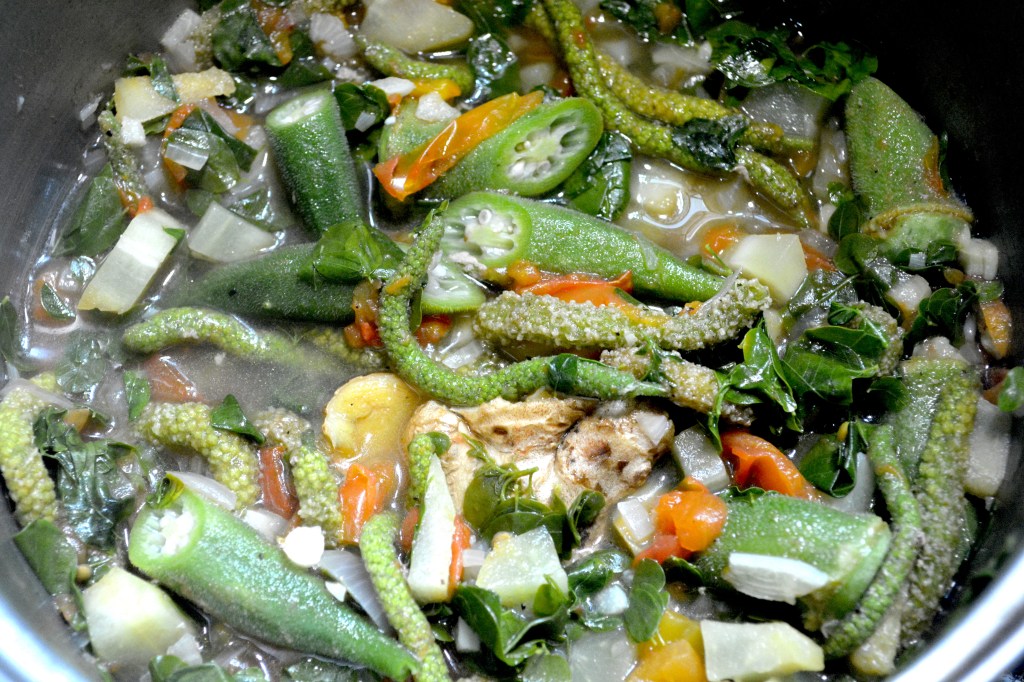
DAY 7 of 7: Mixed veggies

Ingredients (P 92 if you are gonna buy them but all the ingredients are from our garden except sayote, ginger, onion, garlic, salt and pepper):

7 pcs okra, sliced (P 10)

1 cup himbabao (P 30)

1/2 cup malunggay leaves (P 10)

3 pcs medium size tomato (P 15)

1 pc medium size sayote (P 10)

1 pc thumb size ginger, pounded (P 5)

1 pc red onion, chopped (P 5)

3 cloves garlic, chopped (P 5)

1 tsp salt (P 1)

1/4 tsp black pepper (P 1)

2 cups chicken or pork broth (if you don’t want to buy pork or chicken to make the broth you can just use plain water)

Preparation (5 minutes):

Allow sayote and tomato to get cooked first in the broth then add all the other ingredients and boil for 1 minute.

DSC_0017

Note: we already know the benefits of okra, malunggay, tomato, ginger, onion, and garlic – you can check out previous posts. for the himbabao, it is rich in vitamin A, thiamin, phosphorus and iron.

Did I just say you can modify them? Yes you can! Whatever veggies available in your garden or the nearest market will do. What I love about this dish is that you are making a healthy meal the easiest way.

I usually use low to no salt and oil as much as I can because we are surrounded by unhealthy food already. Your body will thank you for making your own healthy dish.

**good for 4-5 people

***in my dishes, I do not always measure my ingredient, I usually estimate them. If you are new in cooking, do not worry, the measurements I made in my previous posts won’t make your dish too salty but it can be bland (which I prefer) to some. Make sure to taste your dish before serving them. *wink*

1 week ulam/viand challenge: DAY 6

Day 6 is a little bit challenging but I did it so surely you can do it too!

DAY 6 of 7: Ginataang kalabasa and home-made burger patty

For the ginataang kalabasa:

Ingredients (P 72):

2 cups kalabasa, sliced (P 20)

1 cup sitao, cut (P 10)

1 cup malunggay leaves (P 5)

1/2 cup sili leaves (P 5)

1 cup pure gata (P 25)

1 cup 50:50 gata:water (free)

1 pc onion (P 5)

3 cloves galic (P 5)

1/2 tsp salt (P 1)

1/4 tsp pepper (P 1)

Preparation (9 minutes):

In a pot, boil kalabasa, sitao, onion, garlic, salt and pepper in the gata-water mix until the veggies get half-cooked. Add the malunggay, sili leaves and pure gata, then simmer for 1 minute.

DSC_0012

Note: kalabasa as we all know is rich in vitamin A. sitao is an excellent source of vitamin C and K, good source of folic acid and protein. malunggay leaves are rich in minerals, vitamins and other essential phytochemical. coco milk is rich in vitamin C and E.

Fot the home-made burger patty:

Ingredients (P 156):

1/2 kg ground pork (P 90)

1 medium size carrot, chopped into tidbits (P 15)

2 eggs (P 14)

3 tbsp flour (P 10)

1 pc red onion (P 5)

3 cloves garlic (P 5)

1 tsp salt (P 1)

1 tsp pepper (P 1)

1/2 cup cooking oil (P 15)

Preparation (15-20 minutes):

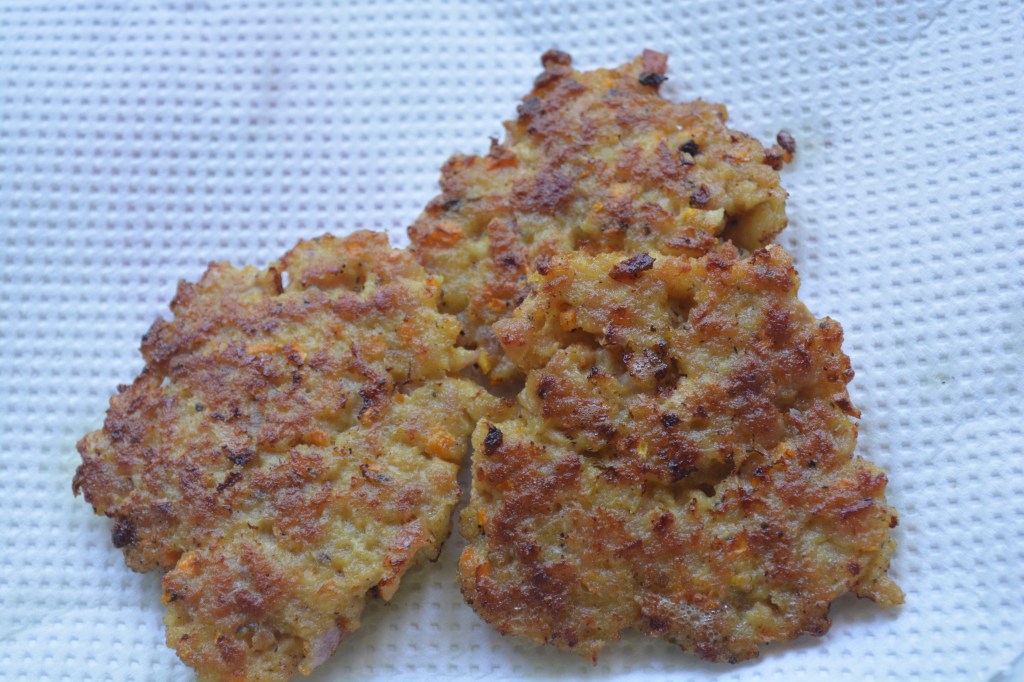
In a bowl, combine ground pork, carrot, eggs, flour, salt and pepper. Mix everything until you get that burger consistency. Heat the pan and add oil. Fry your burger patty until it turns golden brown.

DSC_0014

Note: ground pork is high in protein. carrot is good source of vitamin A.


**good for 6-7 people


1 week ulam/viand challenge: DAY 5 – the easiest to prepare chicken sotanghon

Day 5 is soup day! This can serve as viand and snack. Still a no brainer, healthy and won’t break the bank ulam/merienda you can make.

Day 5 of 7: Chicken sotanghon

Ingredients (P 159):

3 packs of sotanghon (1.04oz/pack) (P 36)

1 carrot, chopped (P 15)

1/2 head of cabbage (P 20)

1/4 kgs chicken liver (P 40)

1 pc leg-thigh chicken, boiled then shredded (P 35)

1 pc onion, chopped (P 5)

3 cloves garlic, chopped (P 5)

1 tsp salt (P 1)

1/2 tsp ground black pepper (P 1)

1 tsp oil (P 1)

10 cups of water

Preparation (15 minutes):

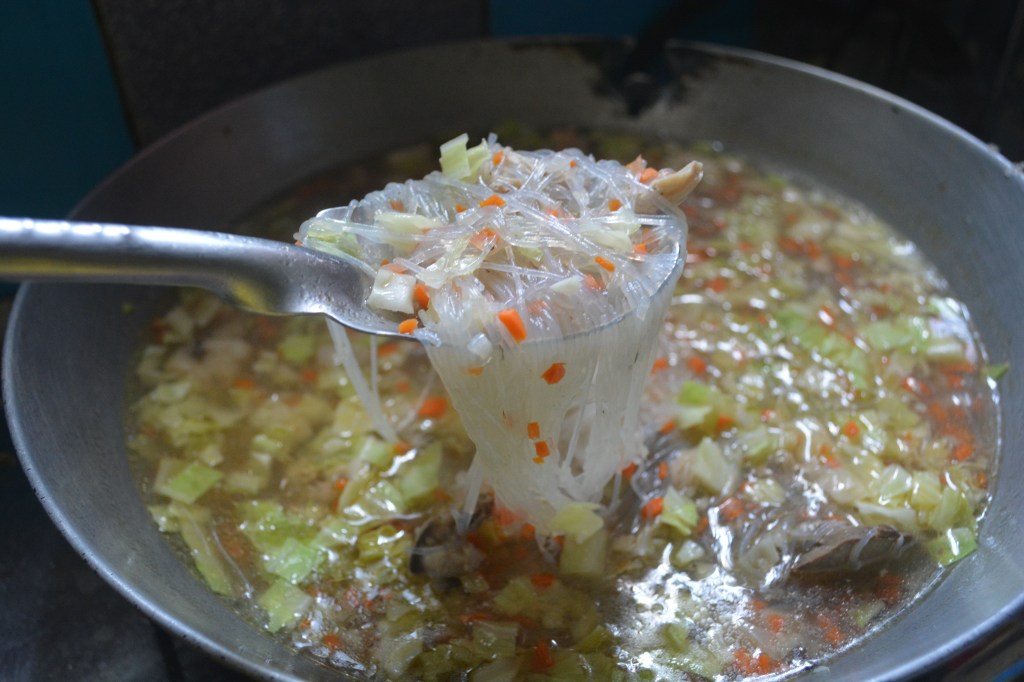
Sauté garlic and onion in olive oil. Add the liver and chicken. Season with salt and pepper. Add water followed by the sotanghon. Wait until the noodles become half cooked before adding the carrots and cabbage. Boil for a minute. Serve hot.

DSC_0010

Note: carrot is rich in vitamin A. cabbage is packed with vitamin C and K. garlic has antibacterial properties while red onion contains antioxidants. chicken and liver are rich in protein

**serving is good for 7-8 people


***sorry forgot to click the publish button yesterday

1 week ulam/viand challenge: DAY 4

We are now on our day 4 of our challenge. Yesterday was pretty challenging. And for today’s menu…one of the easiest ulam to to make in our week..we have fried fish (pritong galunggong) and steamed ladies’ finger (okra).

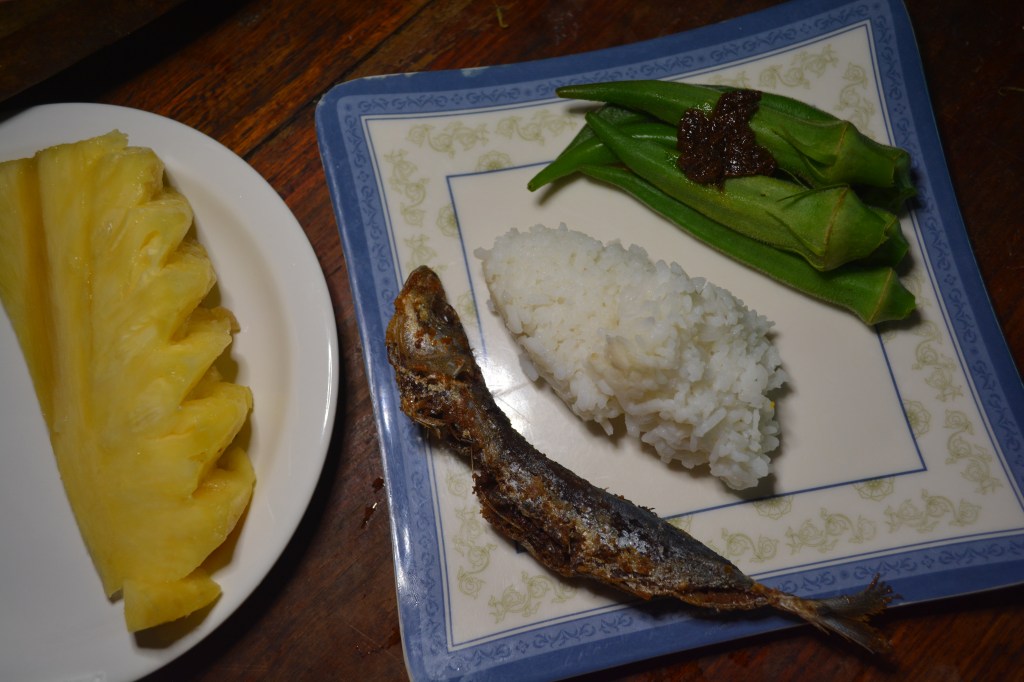
DAY 4 of 7: Fried fish (galunggong) and steamed ladies’ finger

Ingredients (P 127):

1/2 kg galunggong fish (~4-6 pcs medium size galunggong) (P 80)

1/2 cup cooking oil (P 10)

1/2 tbsp salt (P 1)

1/2 tsp pepper (P 1)

16 pcs okra or ladies finger (P 30)

2 cups of water

1 tsp bagoong (optional) (P 5)

Preparation:

Fried fish: Season the fish with salt and pepper. In a frying pan, heat oil. Fry the seasoned fish until both sides of the fish turn brown.

Steamed okra: Place all the okra in a steamer. Steam with water for 2 minutes. Best served with bagoong or alamang.

DSC_0020

Note: okra contains magnesium, folate, vitamin A, C, K and B6; it is also high in fiber and source of natural laxative that strengthens the digestive tract. galunggong is your source of protein; it is also rich in DHA and omega 3.

**good for 4-6 people