Valley of Fire (a day tour if you are not a fan of the busy Las Vegas)

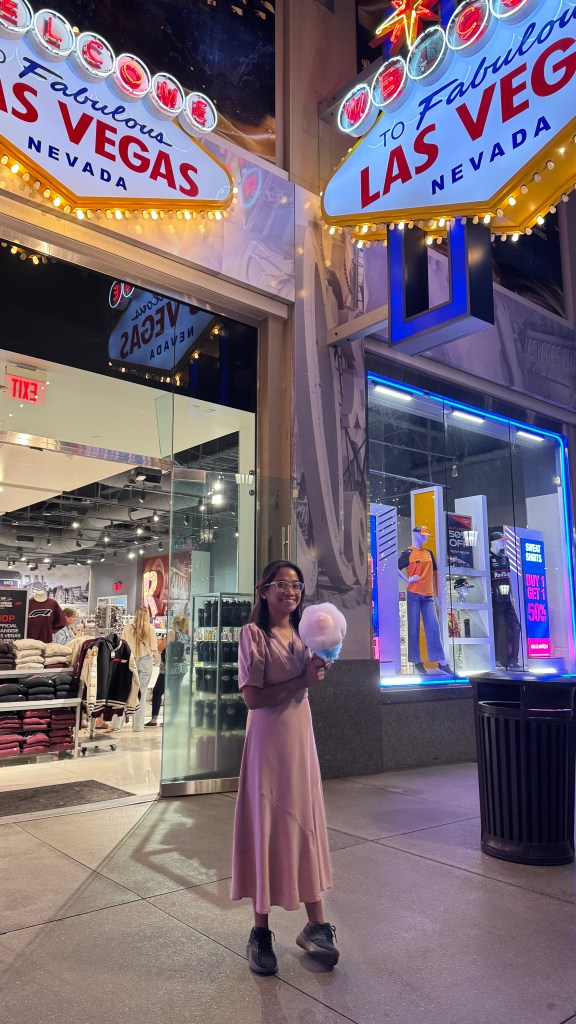
We had a quick trip to Las Vegas for a friend’s wedding. Three days to be exact. Half a day for traveling to Vegas, and half a day going back. The other half of our first day was spent to my friend’s wedding, which was a very simple yet very fairytale-like and held at night. I’ve been to Vegas twice now, and despite the very nice city lights and interesting activities, I am still not a huge fan of the strip or the casinos.
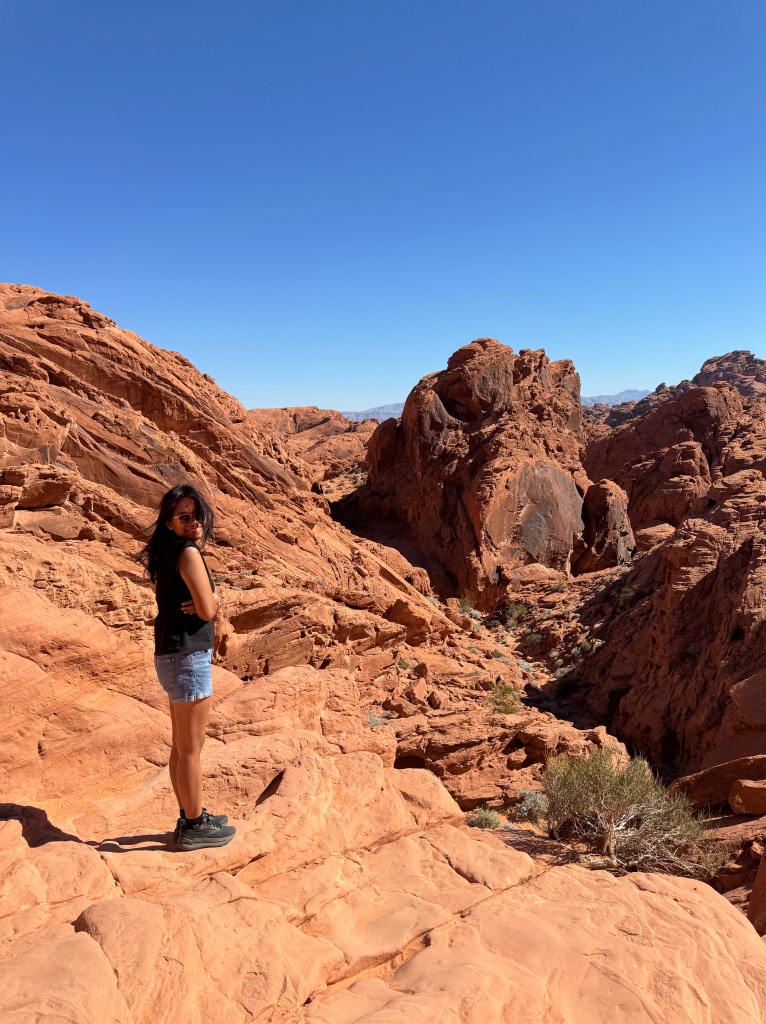
I like national and state parks instead. If you are like me, here’s my one-day itinerary at the Valley of Fire. This is 20mins to 1hr drive from the strip, depending on where you are staying. We initially planned to go to Red Rock, but I realized that our hotel was closer to Valley of Fire. It was also prettier in the pictures.

We arrived there around noon. Our mistake was not to bring food and a lot of water in the car. There’s a lot of nice spots inside the state park but also a lot of hiking. It was hot on the day we were there, and we only had 2 small bottles of water. So, CHECK THE WEATHER and bring the necessary things with you. Despite the unprepared trip to the state park, I still enjoyed it!
Entrance fee to the park was $15 for non-residents of Nevada and $10 for residents but because we had military discount, we only paid $9. KEEP YOUR RECEIPT! They check it when you exit the park.

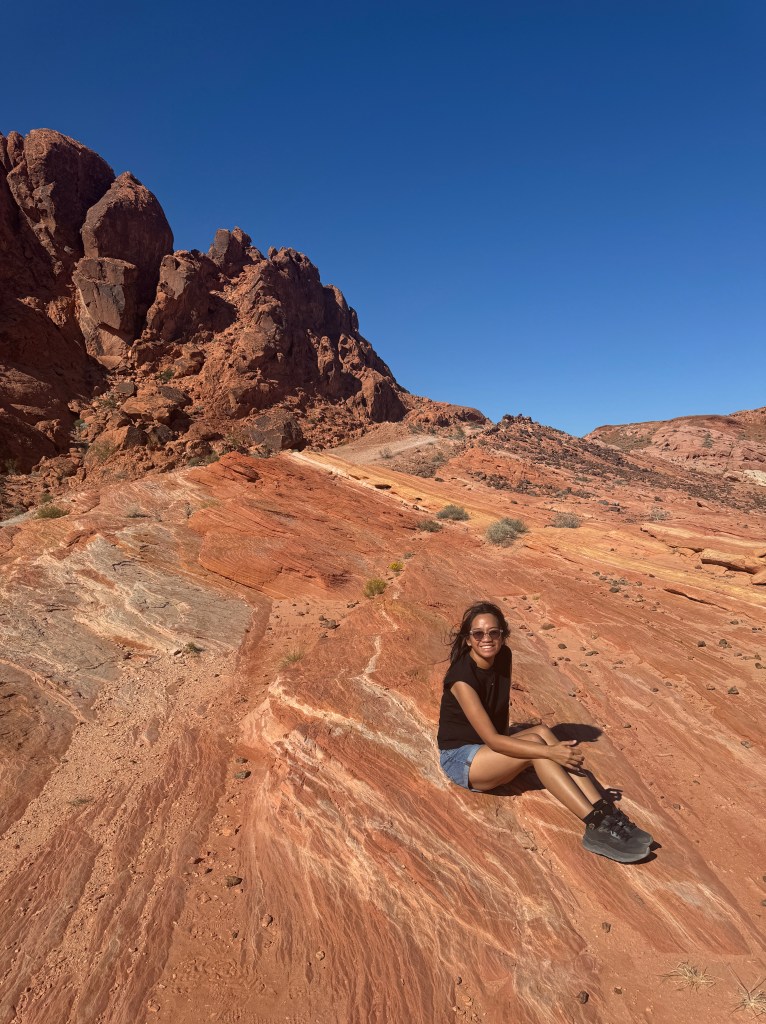
We drove and hiked only few points. BE PREPARED for the HIKING! Wear comfortable shoes and clothes for the weather. Hikes were not too bad that even kids and grannies will enjoy it.
One-day Itinerary:

8-10am: Got up, prepared, and left.

10-11am: Breakfast.

11-12noon: Travel to Valley of Fire.

12:30pm: Checked in, used the bathroom.

12:30pm-4pm: Hiked 3 points in the State park.

4-5pm: Travel back to the hotel.
Corruption kills people

All my life, I experienced flooding annually. I would blame my parents for choosing a bad place for a house. I got traumatized by the rain, flood, and wind brought by typhoons in the Philippines. Then, all this corruption in flood control in the news showed up. And, I realized, my parents were not the problem. They did what they thought was best.

It’s enraging, nakakagalit. It has shown me how brutally those people are using taxpayers’ money for their own benefit. You see, flooding not only kills people through flash floods or erosion, but also indirectly kills people through hunger or sickness.

For years, I was always worried our house would be destroyed by the flood on top of my sick father. I grew up anxious about the rain, and so did those who had the same experience. I remember lining up in a queue to get relief goods with the politician’s name or face, or getting to a crowded area only to beg for that little money that could barely afford a week’s worth of dialysis. I swear, getting some money for a dialysis session was like begging. And, we couldn’t even afford to protest for begging the taxpayers’ money.

But, the billions of pesos going to the pockets of these corrupt individuals are the cause of the death of many. I saw my father telling us not to bother spending money on him, and I know that when he got bedridden, he was considerate enough to think about our welfare that he thought he’d be a hassle to us when the flood entered the house again. This is just a lone example. How much more those families who are poorer than us? They think that these politicians giving us little from the taxpayers’ money are their heroes, not knowing that they’re the very cause of why we got into that situation. Those individuals who are fighting fair would endure the bare minimum in an evacuation center when the flood destroyed their homes and would rather choose to die instead of going to the hospitals. If this money were only used to brace the Philippines in every typhoon, my family and other average and poor families wouldn’t be so stressed out about where to get money if their basic needs are destroyed by a flood.

It’s a sad reality that takes time to understand. But, I hope this issue does not die down and the beginning of a better flood control project or a health care system.